Play to Live · Book VI · 2015
The War
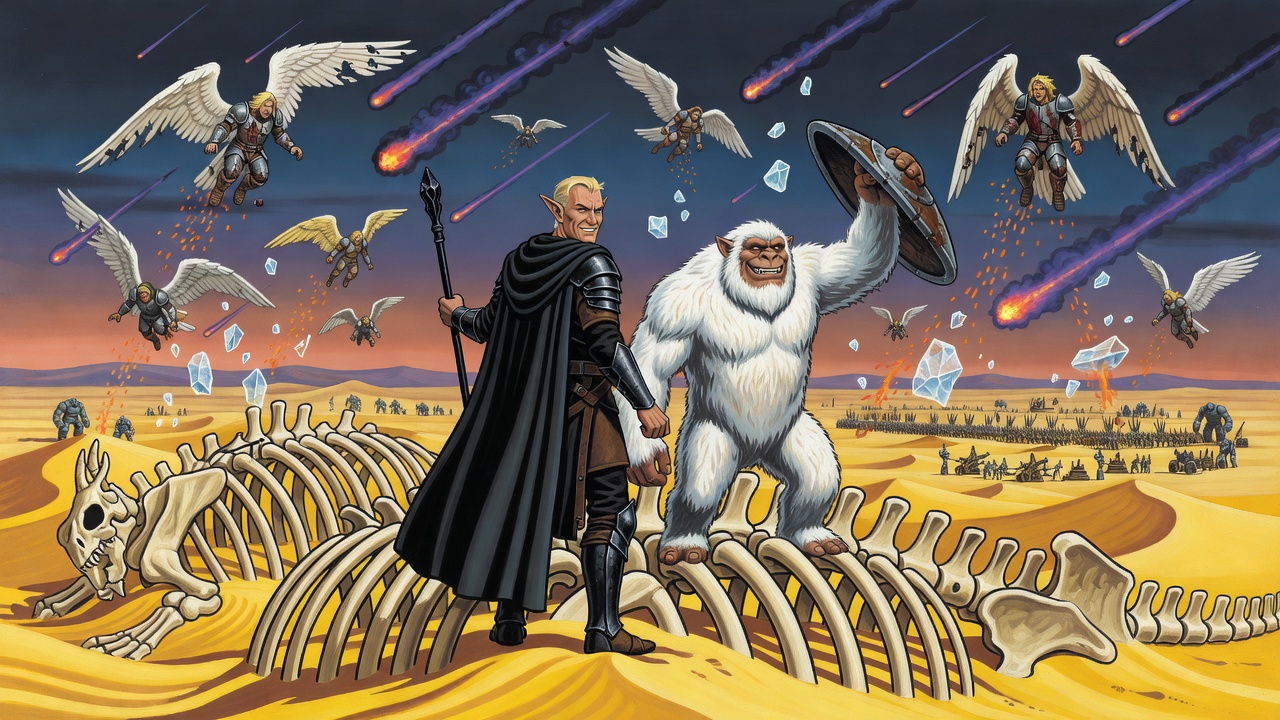
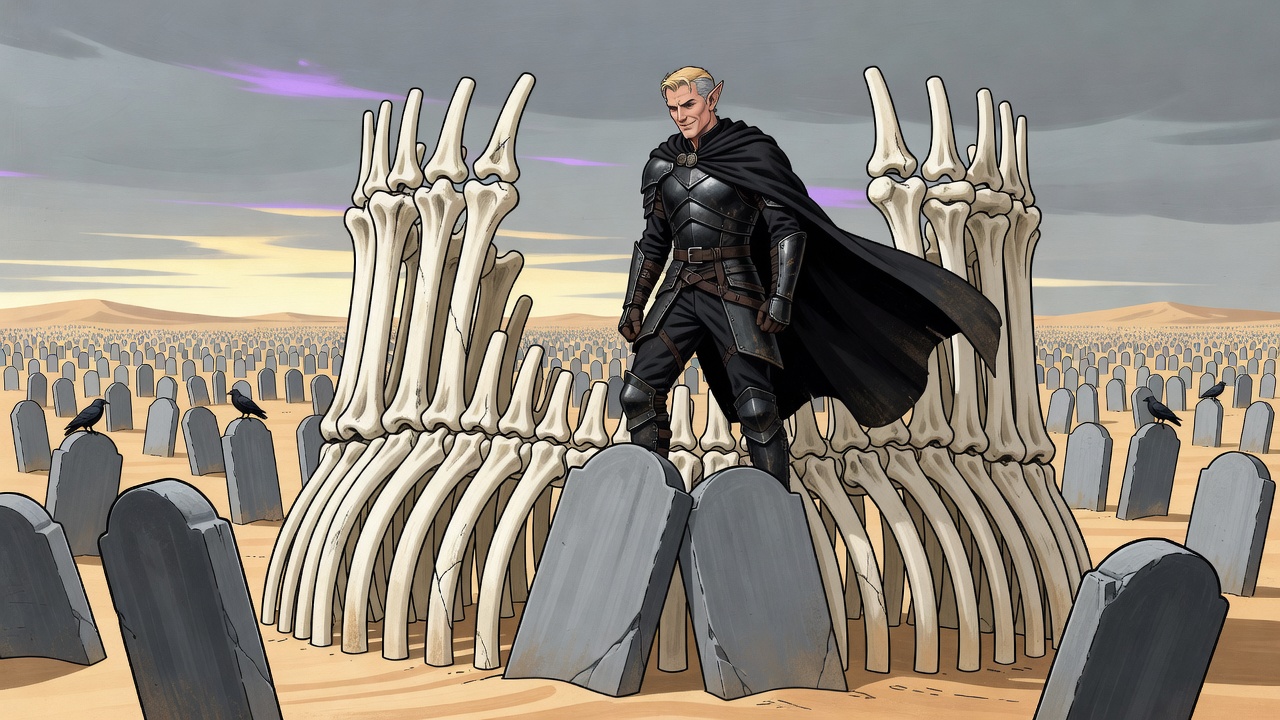
Two days into the Light’s siege, Max holds a fortress built from a dead dragon’s bones, and has his own men hidden among the enemy’s guards.
The War is the sixth of D. Rus’s nine Play to Live novels: «Война» in Russian (Eksmo, 2015), in English on Kindle from 20 December 2015. It is the second half of the war that The Battle began, the Light’s invasion of the Russian cluster and its siege of the First Temple, the Fallen One’s temple that Max has held since Book II. The publisher’s description announces: “The grand finale of the war for the First Temple is upon us.”
It is really two books in one. The first half is the siege at its height, told in Max’s swaggering first person: a fortress made of a dead dragon’s bones, aircraft bombs ridden down by their operators, a basilisk king as tall as an apartment block, the return of two great cats, and gods who come down to fight in person. The second half is the Rupture, when AlterWorld tears loose from Earth and stops being a game. Then the book stops dead on a cliffhanger that reviewers complain about.
The Bone Wall
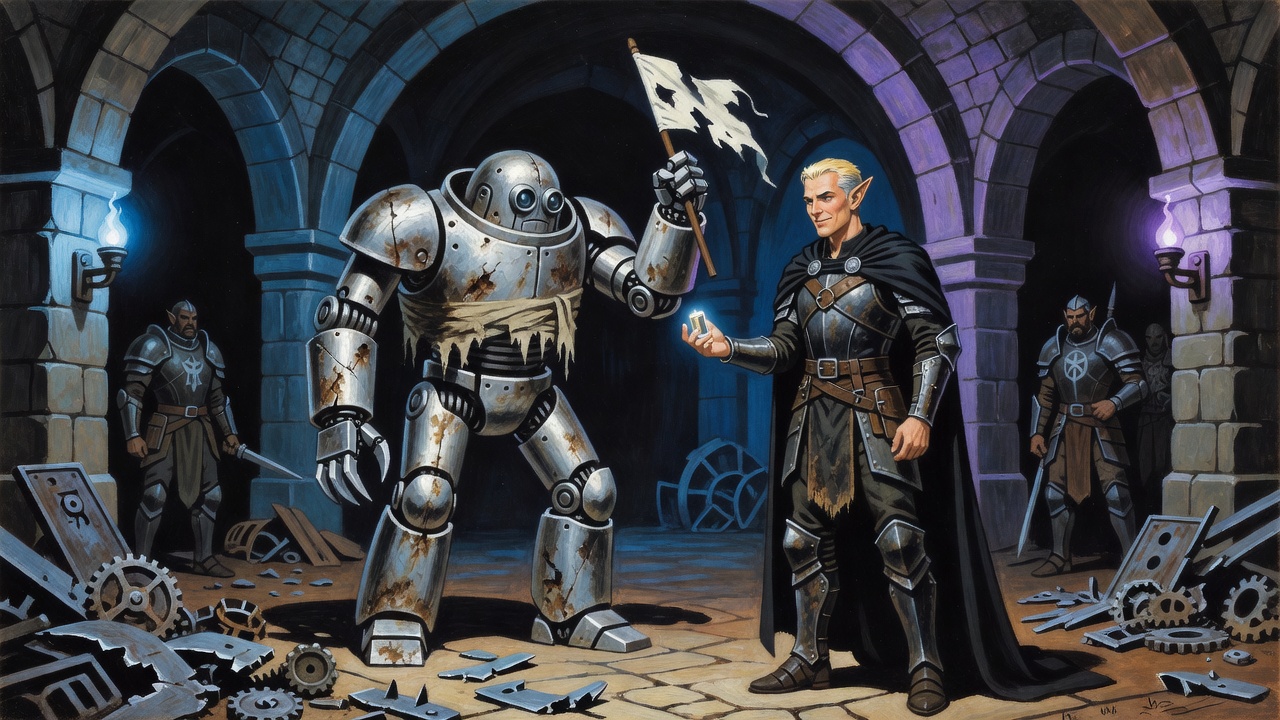
The book opens on the third day of the Light’s siege. Max wakes from twelve hours’ sleep to find his soldiers arguing about whether to wake him or just kill an envoy. The envoy is an Assault Droid from the depths of the Crypt of Chronos, the time-accelerated dungeon the clan made its base in Book V. It is battered and half-asleep, its reactor wrapped in rags to save fuel, and it holds up a scrap of white plastic as a flag of truce. The clan has cut its mana conduit and it is starving. Max trades it a charged battery for a two-gram platinum coin engraved with the map of an alien sky, and opens a market and service station for the hungry droids still to come out of the dark.
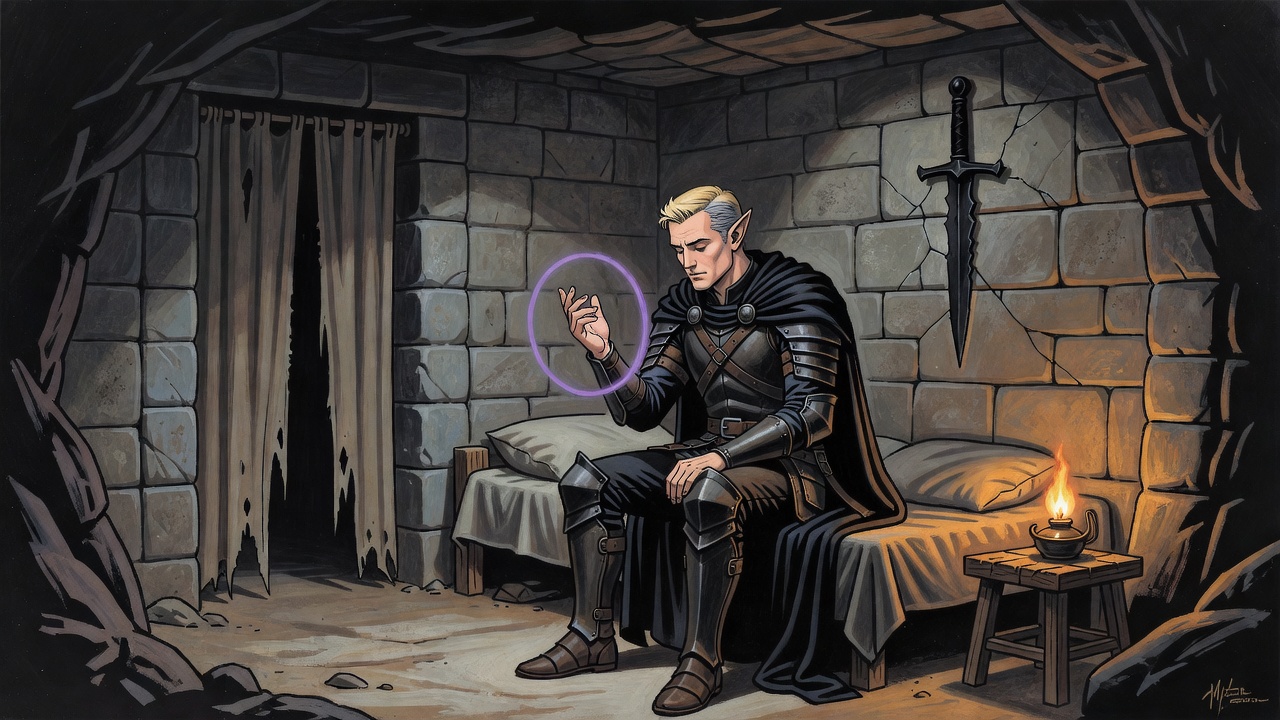
Then he prays. It is his first real prayer, aimed less at the Fallen One than at the Powers of Balance, and he asks not for victory but for justice and for time: in a month he has assembled a coalition against an invasion army of six figures. He expects the next blow at four in the morning, when the fewest Russian players are online and New York is starting its evening session.
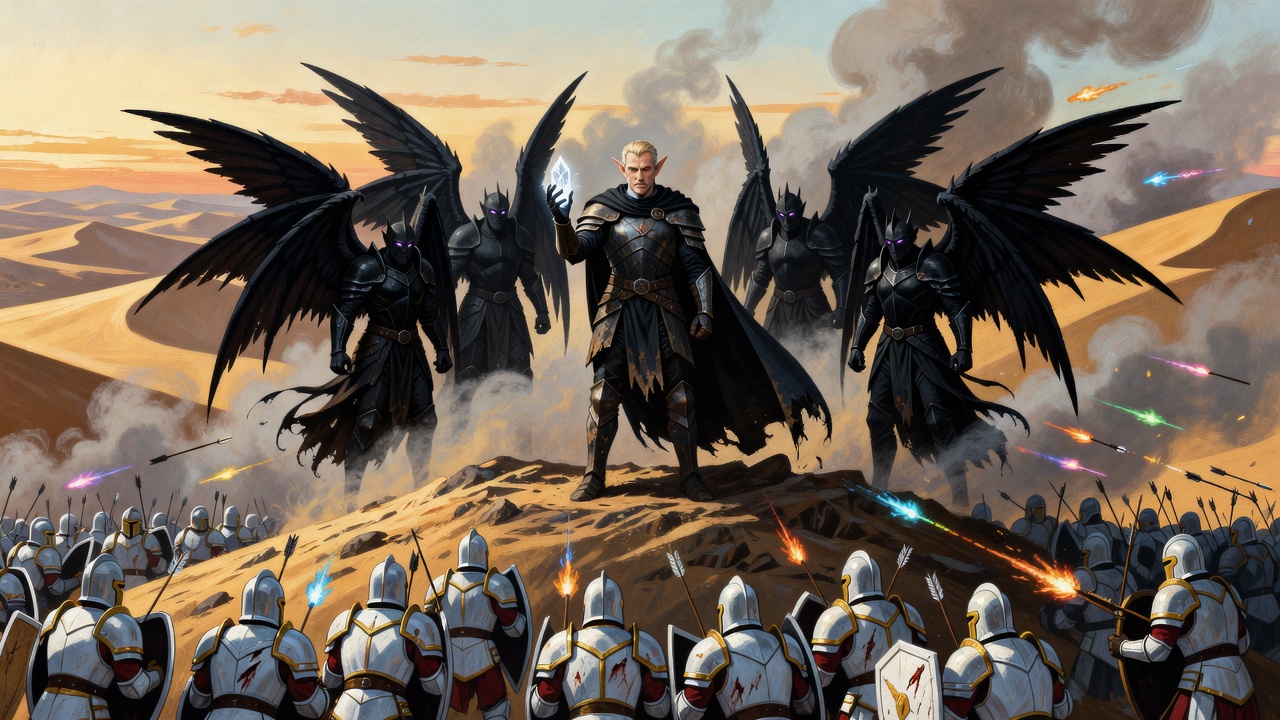
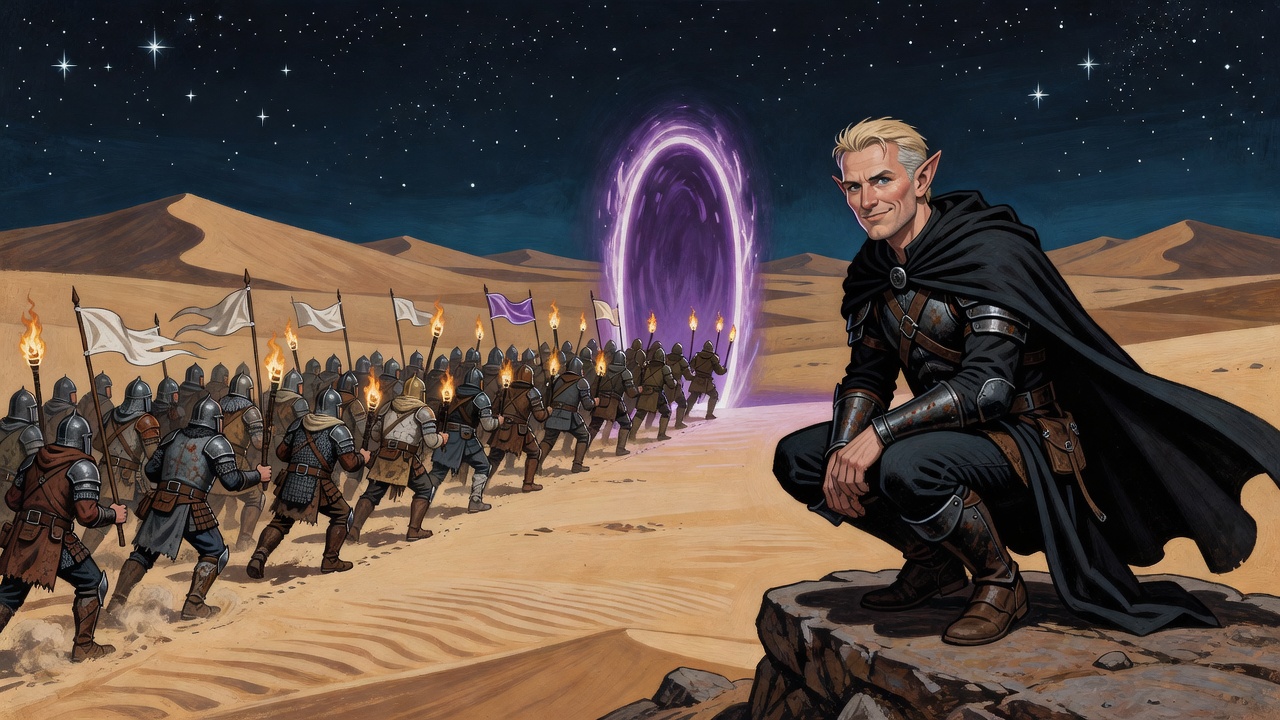
Before it comes, the pressure mounts and the staff call for him. Max orders code orange and portals onto the walls of Tian-Lun, the skeleton of a giant bone dragon in the yellow dunes of the Frontier that serves as his fortress. Beyond the bone ramparts the sand has vanished under every race of AlterWorld and the battered winged host of the Bright-Faced One, head of the Light pantheon. Three hundred siege engines mass along a kilometre of front, and the Light rotate fresh clans past the dragon’s skull to wear the defenders down.
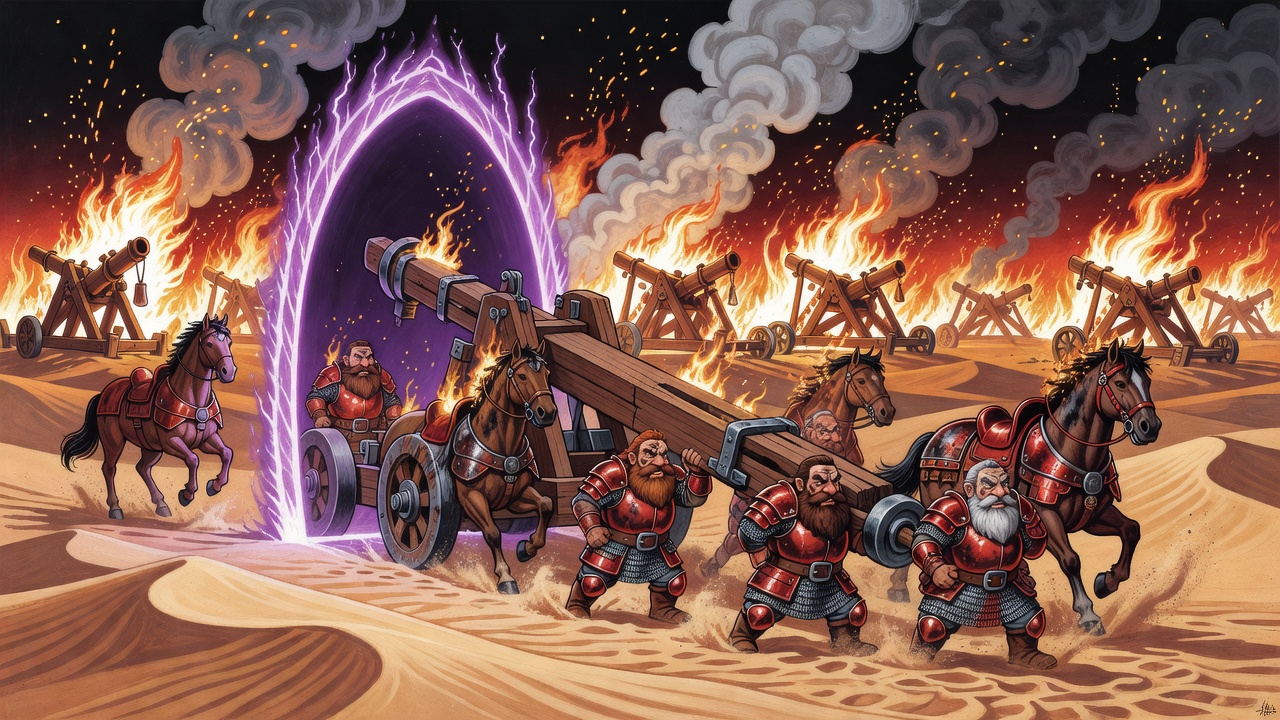
Then Max springs Operation Trojan Horse. His secret allies ride with the enemy (Flint’s Light-Bearers, Italian mercenaries, Korean, Vietnamese and Japanese brigades, King Rhine’s plate cavalry from Freetown), and some five thousand of the fifteen thousand guarding the siege park are his. At the signal they turn on the men beside them, and Max’s Guardians of the First Temple pour out of cargo portals. In about three minutes the siege park burns in alchemical thermite. Horses with burning manes struggle into Freetown’s arch, and dwarfs in red-hot armour shove a dismantled giant trebuchet through a portal as loot. Max has hit the enemy in the wallet, and a hundred thousand of them are now rolling toward the fortress.
“But you can’t plug up a ruptured dam with your butt.”
Bombs, Droids and a King
By morning only a three-digit number of his fighters is still fit, and some thirty thousand gravestones cover the sand before the fortress, a fifth of them his own side’s. Walk this battle cemetery, Max reflects, and you could read the whole fight in it, down to two stones that stand back to back where a sailor from Kronstadt and a sailor from Odessa died covering each other.
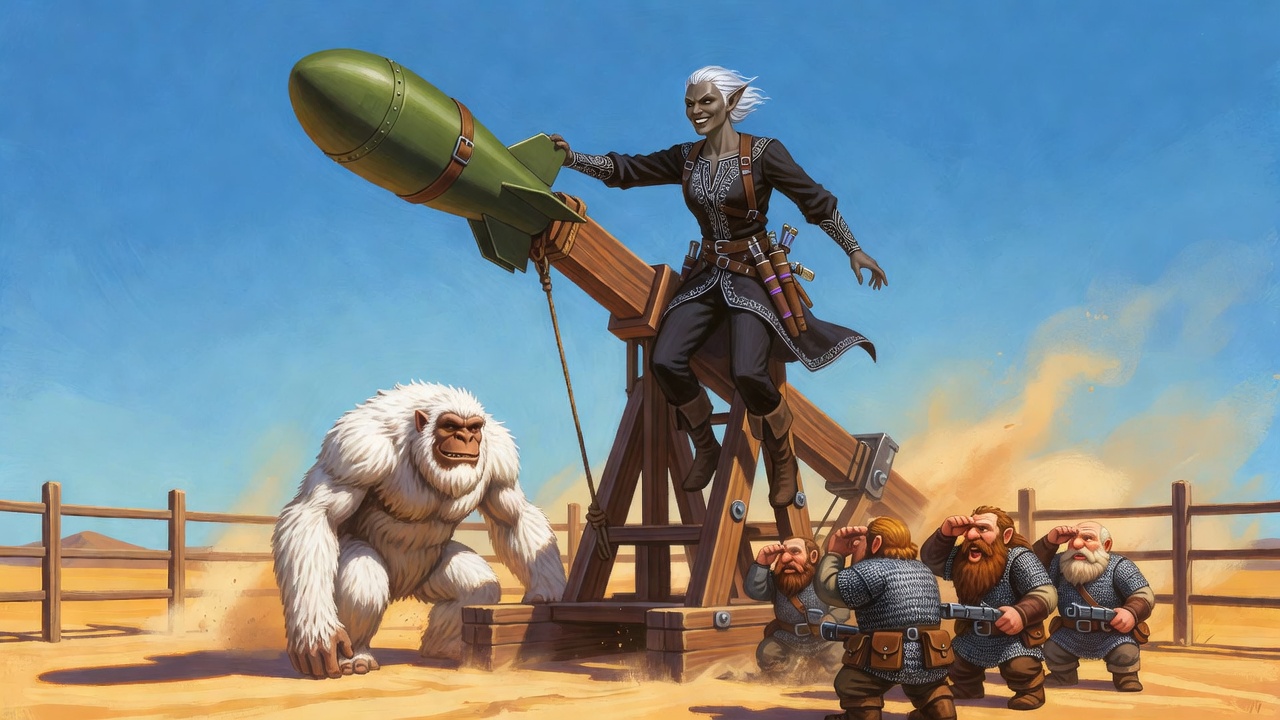
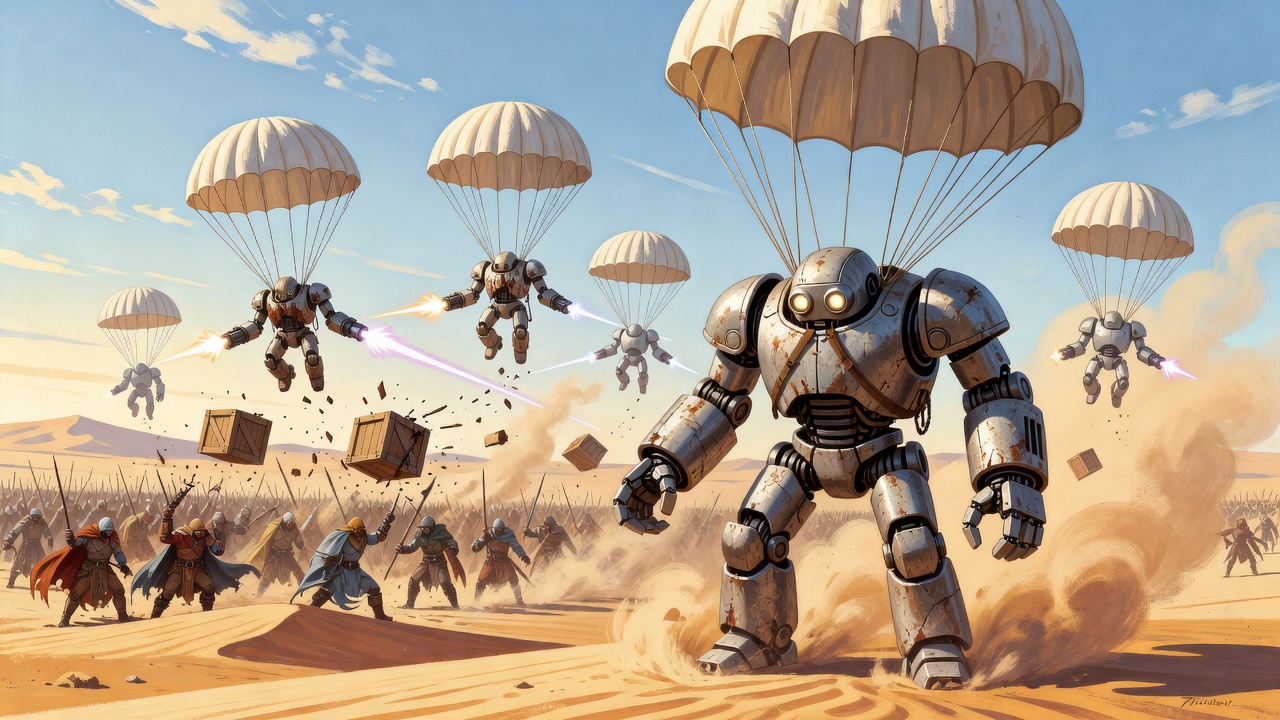
At the unconventional-weapons pad the clan has aircraft bombs, FAB-500s, to throw by trebuchet. Each bomb carries a living operator, credited with its kills, who dies in the blast and respawns; only four fighters hold the achievement the job calls for. Umka, the albino troll who captains Max’s guard, is too heavy to throw, so the drow Lizka, called Mona Lisa, straps in. Lizka respawns thirty-two levels higher and the limping goblin Timur rides the sixth for forty-three; one harness snags and kills its rider. The seventh is kept back as a deterrent. Then the trebuchets throw crates of droids, which parachute into the horde and fight for half an hour before overloading their reactors. The Light pull back to their camp.
Hours later a hellhound by the staff picks up, through the hound network, a second army pouring through a portal in a misty ravine at the far corner of the Valley, three hundred men a minute. Max orders the King of Basilisks and two wild basilisks, still in their eggs, out of the vault, and the portal logistics take two minutes while he fumes.
“No matter how loud a command, it still needs time to be executed.”
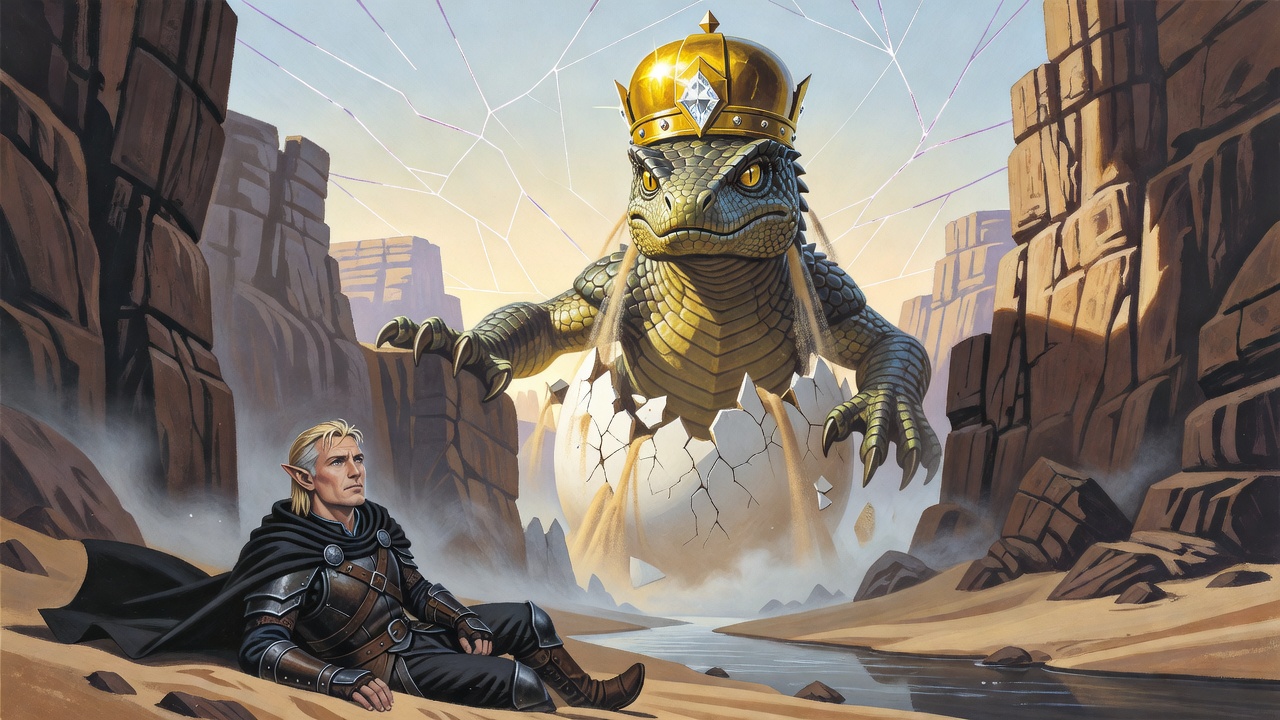
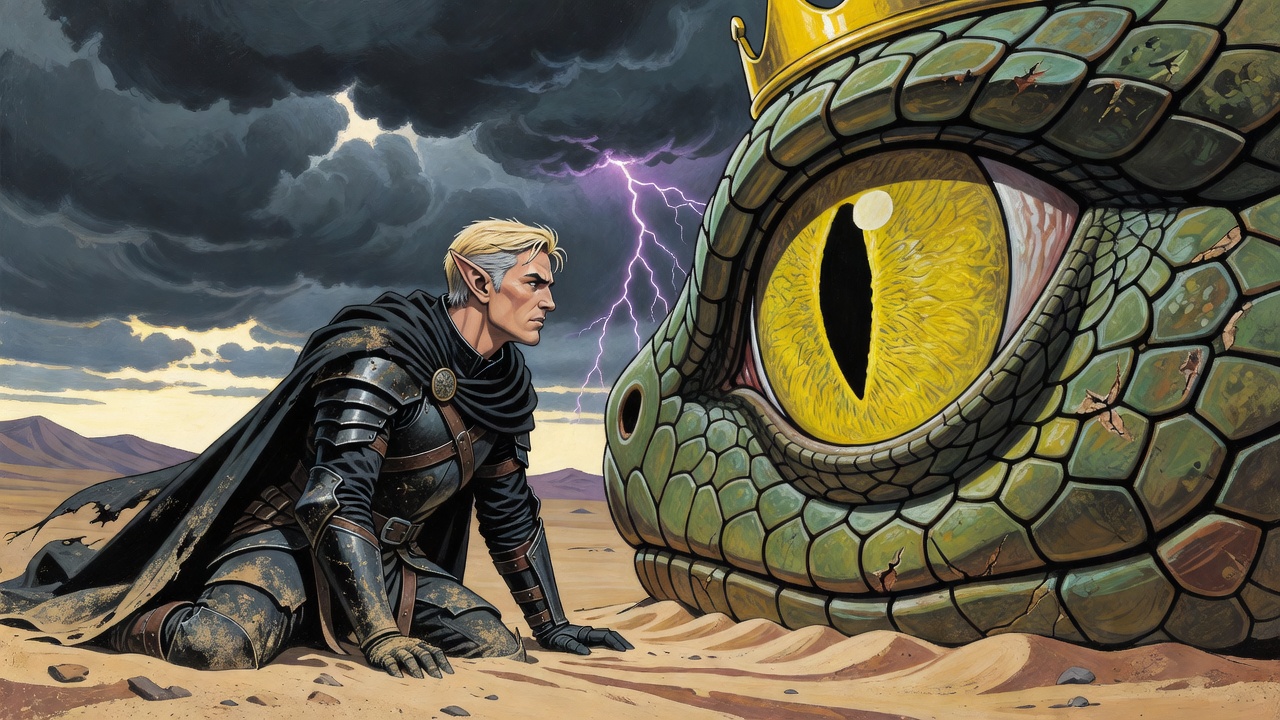
In a stream-cut ravine the King unfolds from his egg like a surfacing iceberg, tall as a nine-storey block, with a golden crown like a church dome on his head, and crushes part of Max’s escort as he rises. System messages announce that the King has taken flesh, then fail: the update server is not available, access denied. It is the first visible crack in the machinery of the game.
The brush of the King’s flank, scored as a blow, has cost Max two-thirds of his hit points; as he sits coughing blood, the King’s stare falls on his mind, and his defences give way.
“Out of all of my supporting forces, only the greedy pig remained standing.”
The pig, his inner miser, holds out until the King blinks first and grants Max the right to address the King of Kings. Under a thundering sky they bargain. Max will resurrect the King’s subjects and accepts a cap on losses of two lesser basilisks or one greater, but will not promise to revive every egg on request. The King wants a Small Well of Stone Power and his first clutch laid here, and his name turns out to be Genzilla. The white teleporting beast, now with a Hero’s star on his chest, gapes at the King and vanishes in a burst of micro-portals.
The Valley Breakthrough
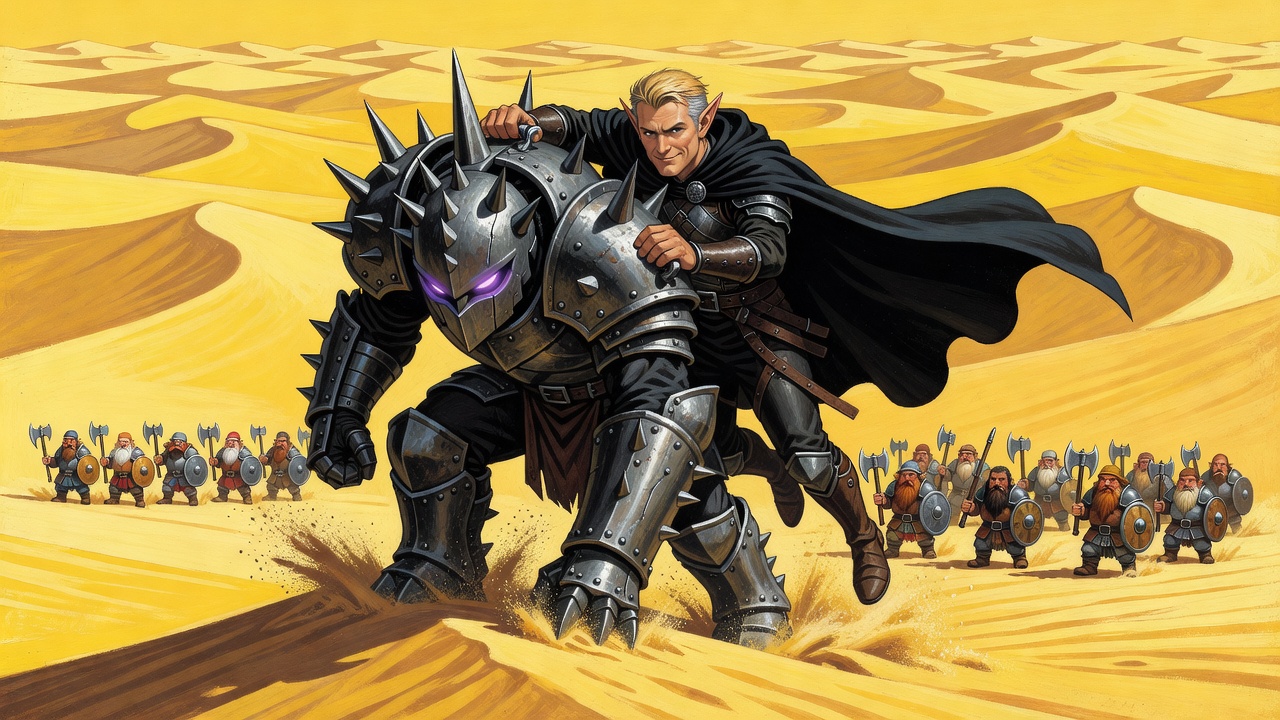
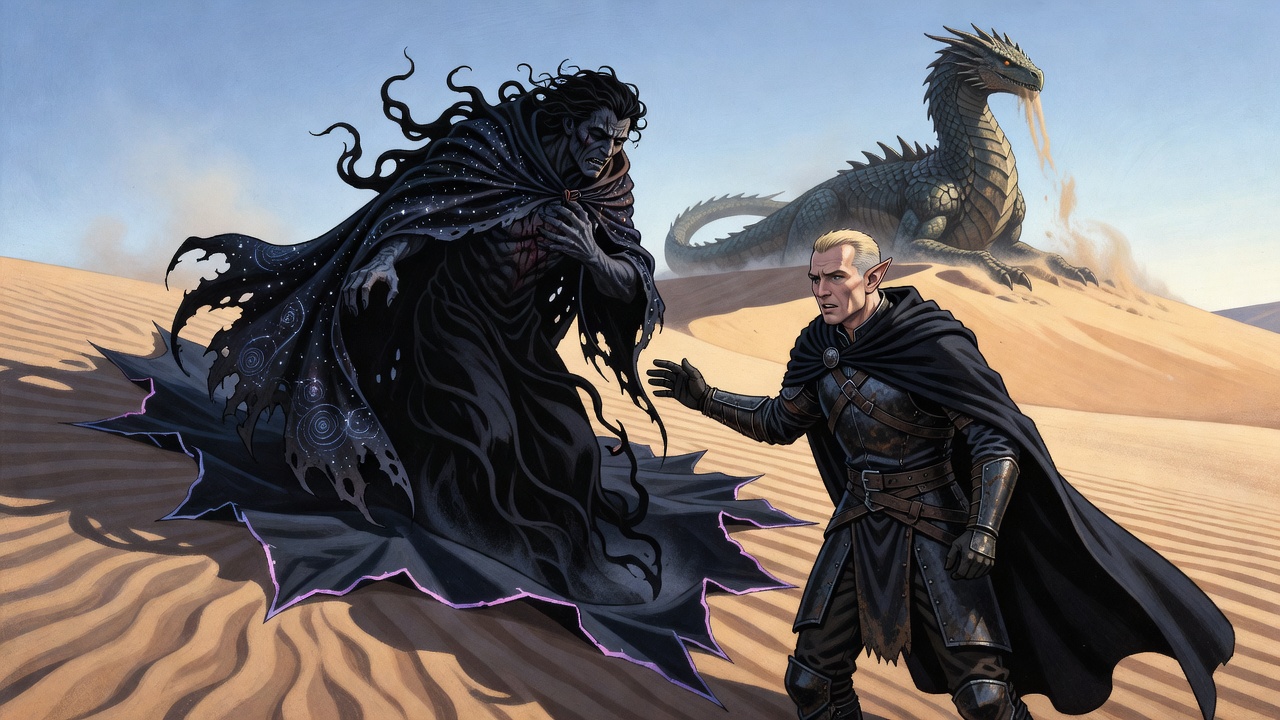
The basilisks blunder into twenty thousand prepared enemies and are beaten down. Max’s bear, Humungus, still sulking after thirty years shut away, ignores the bone whistle, so he rides into the fight on a walking golem and cracks his forehead when it brakes on a dune. To raise a dying basilisk he uses a resurrection that draws on his god’s own life, and the Fallen One himself tumbles out of a fold in space, bent double with pain. On Max’s advice the basilisks close into a ring on a dune-top, three thousand dwarfs in close-packed squares slam into the enemy flank, and demons press in behind: hammer and anvil. Max turns over the ring that would summon Asmodeus and decides not to invite the demon in.
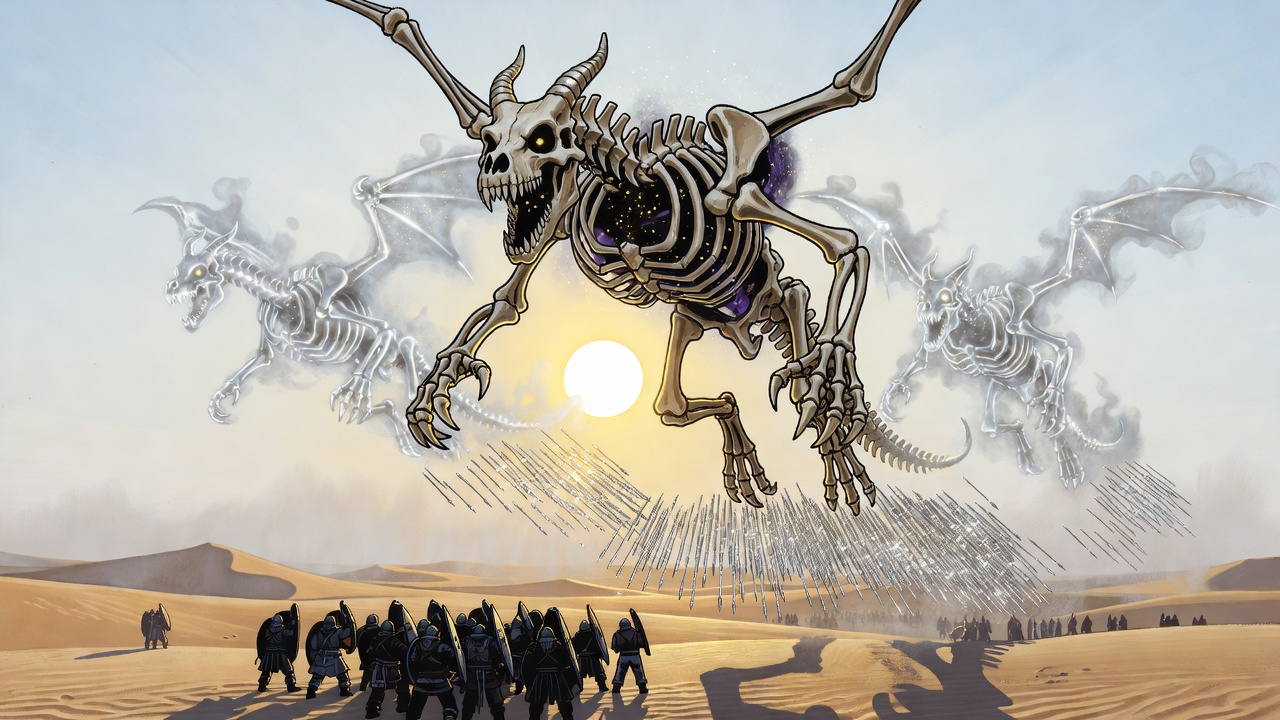
The dragons come out of the sun: the bone dragon Dominoshka and her grown ghost-dragon chicks, Dasha and Kosha, dropping ten thousand steel flechettes on friend and foe alike, while Dominoshka’s Cloud of Dust rusts enemy armour to holes. Still, a thousand enemies come for Max’s command hill. He charges with his guard and is cut off, and Umka falls, the first time Max has lost him. His drow guards clear a ring with invisible force-blows; in the pause Max raises a level-350 pet from a seraph’s Soul Stone and splits it into a platoon of six-winged fallen angels, and then the drow go down. At the last he fights alone with his demonic staff, drinking life from everyone in reach and maiming rather than killing. He wants one-legged veterans begging at the Light’s temples as a warning.
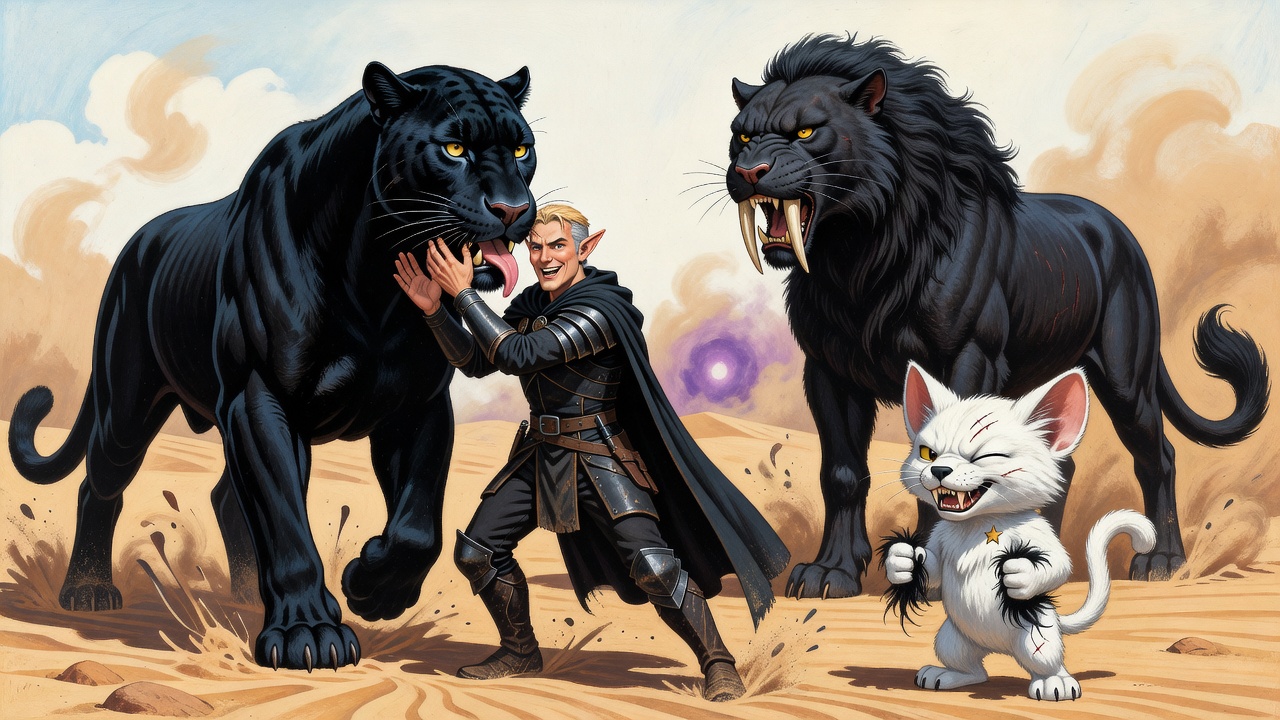
Spent, loaded with loot, he wonders whether it is time to meet Lolth, the drow goddess who claims the dead. Then the white beast pops back out of the air with a clawed face and black fur in his fists, chased by two enormous cats. One is Max’s old panther pet, now the size of a draught horse. She butts him in the chest and licks his face, and her status bar reappears in his interface: she is his pet again. The other is her mate, the sabretooth guardian of the Abandoned Temple, who roars three times and summons fifty level-350 monsters of the Lost City, then two hundred, then five hundred more. The enemy sounds the retreat, and six thousand trapped stragglers are cut down while the clan’s goblin secret police film it.
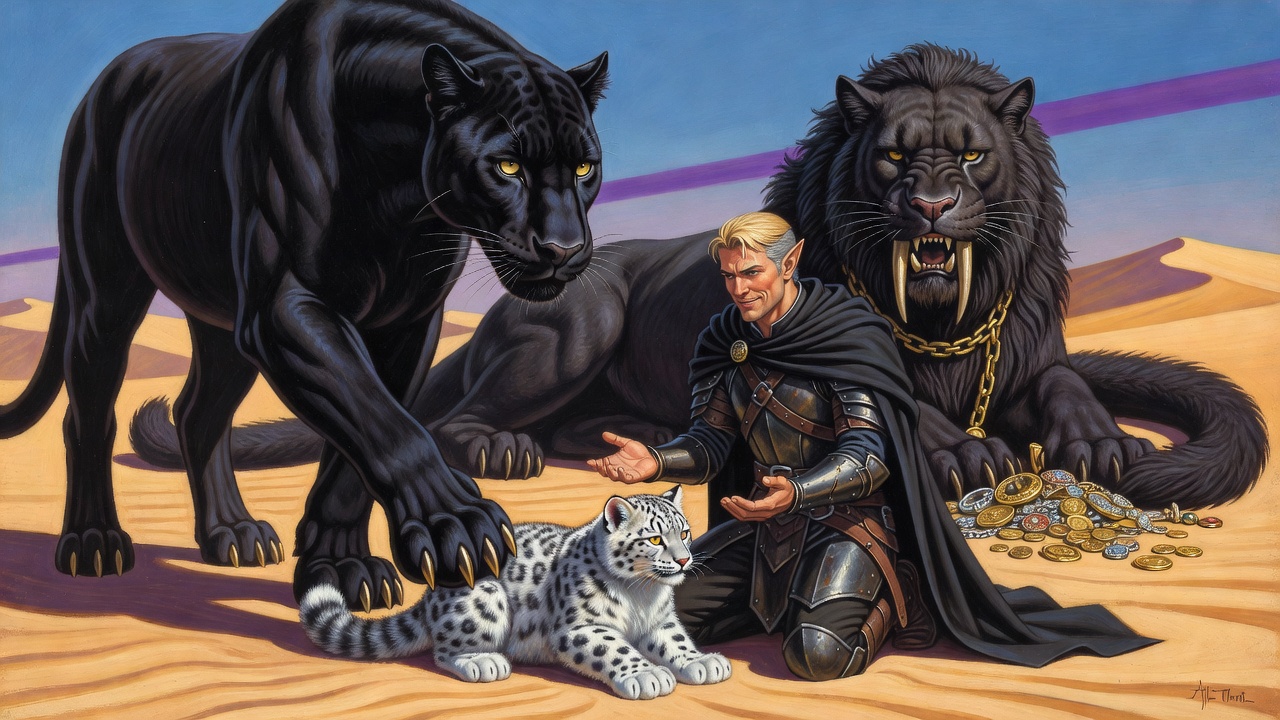
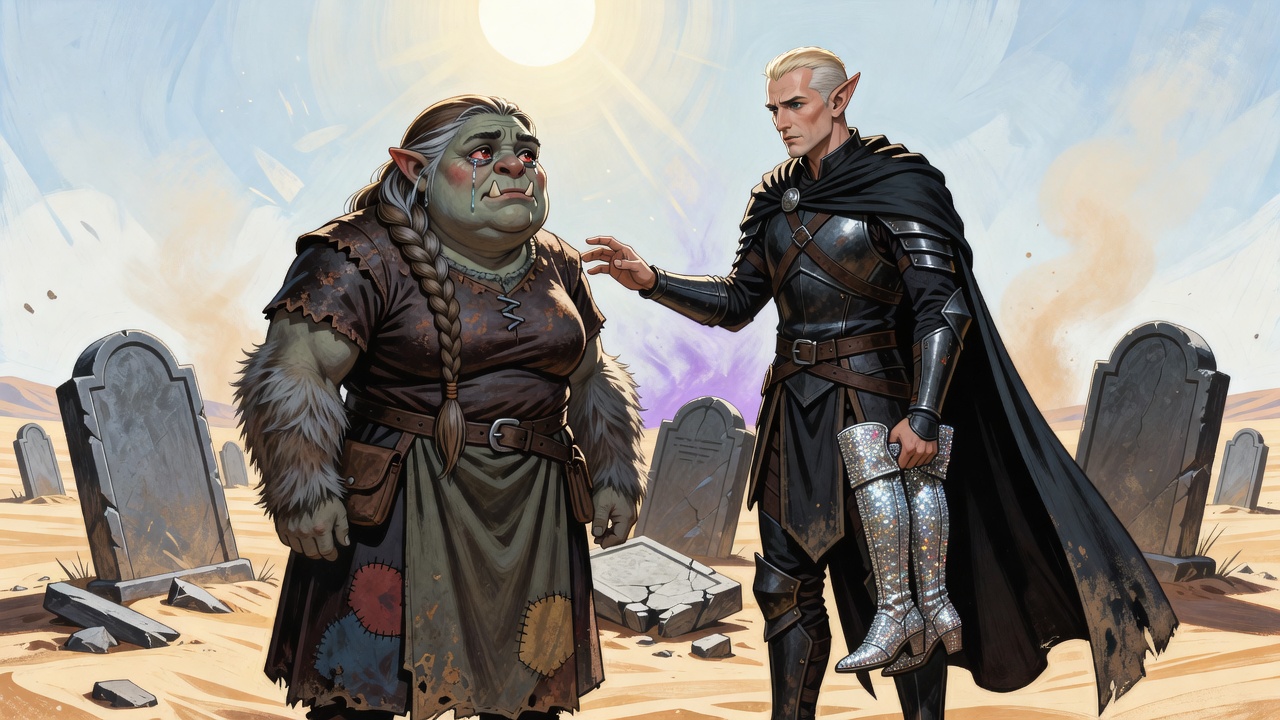
Max pays the rescuers in gold: a chain for the sabretooth that fits as a collar, jewellery of the panther’s choosing, gilded claws. Her parting gift is a plush, spotted snow-leopard kitten, which comes with a quest to raise this child of two bloods to level 100 within a month. The cats leave by portal; only a quarter of the hired allies survive. Among graves worth tens of millions of dollars, Max tries one: a fistful of the Spark of the Creator only cracks it, but his will poured through the Spark blows it apart, at the price of a nosebleed, and out of the rubble come rhinestone thigh-boots. Then Bomba, Umka’s wife, comes up red-eyed and asks where her Umka is. Max offers her the boots. A reader’s highlight from later in the chapter has him calling Umka home by the Fallen One’s power.
The Gods Come Down
The Valley was a battle, not the war: the main Light army, about four times larger, still stands a hundred kilometres away. From here the sources thin to readers’ highlights and reviews, so the outline is clearer than the order. The defence of the First Temple spends every trump. A lone portal is left standing as bait; the enemy army sweeps over it and on, and the curious shove each other to climb inside: Darwin Award nominees, Max calls them. An agent brings reinforcements, and the basilisks fight again. No sooner is the invasion army beaten than a new blow comes from the Spider, Lolth.
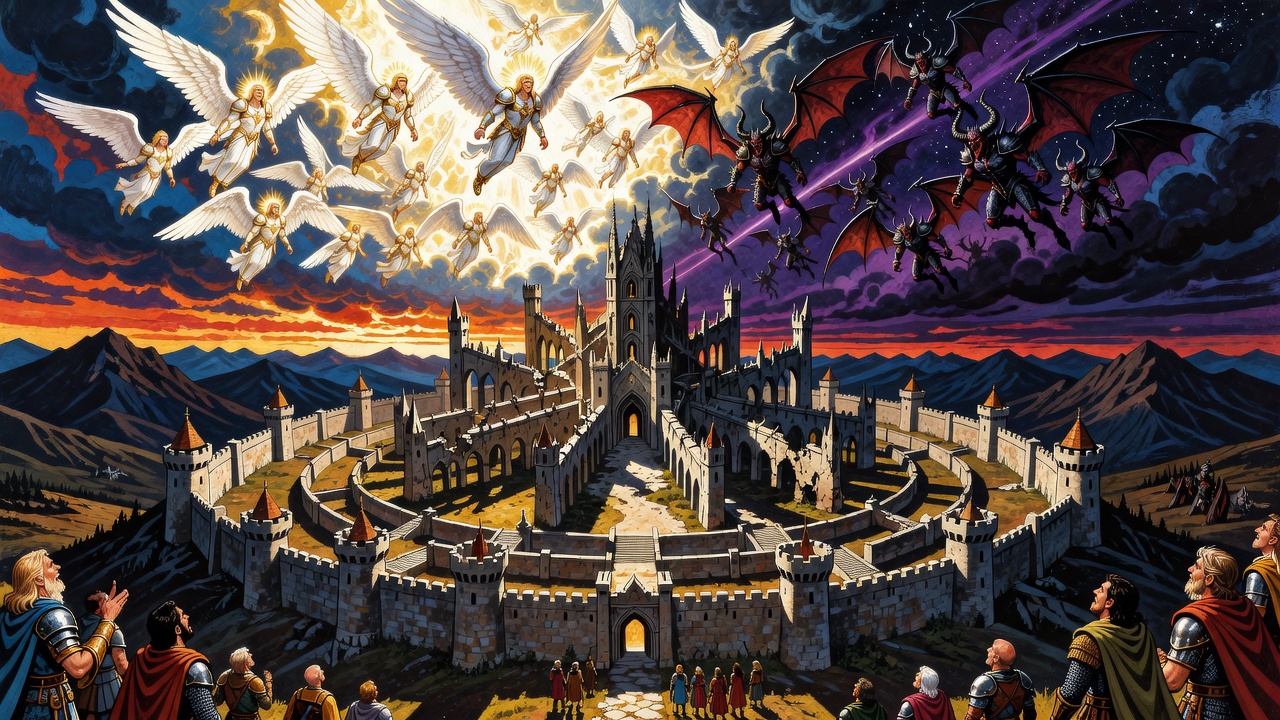
Then the gods themselves come down into the brawl. In chapter 7 gods fight gods, goddesses drag each other by the hair, and reality itself weeps. Readers single out a plot turn involving Macaria, the Fallen One’s consort, and the Bright-Faced One, and speak of another great betrayal and a change of sides no one expected. Max fights spiders, watches angels and devils collide, and talks with an archangel.
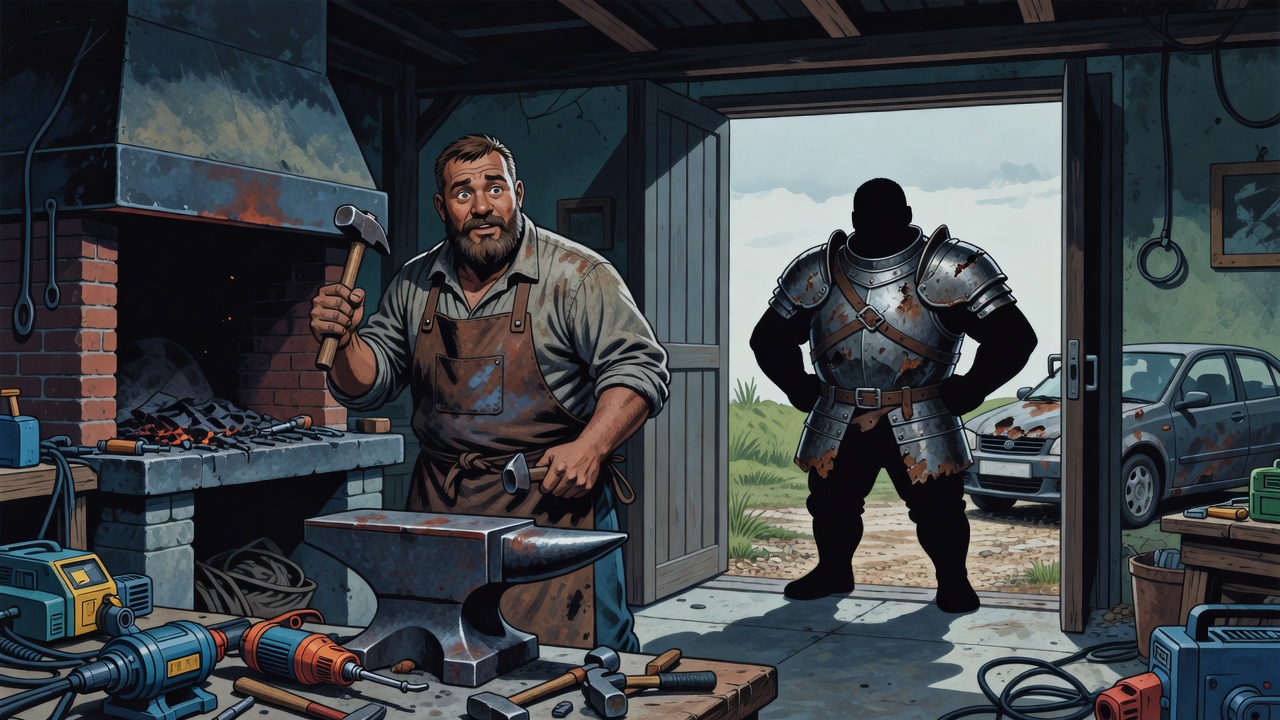
Chapter 8 cuts away, in the third person, to a blacksmith named Yaroslav, whose bass-voiced visitor asks whether a troll or magic drives his hammer, scorns a forge without a fire spirit, and wants to see his teacher’s grave so as to know where to spit. Reviewers say such cutaways follow AlterWorld’s creatures onto Earth.
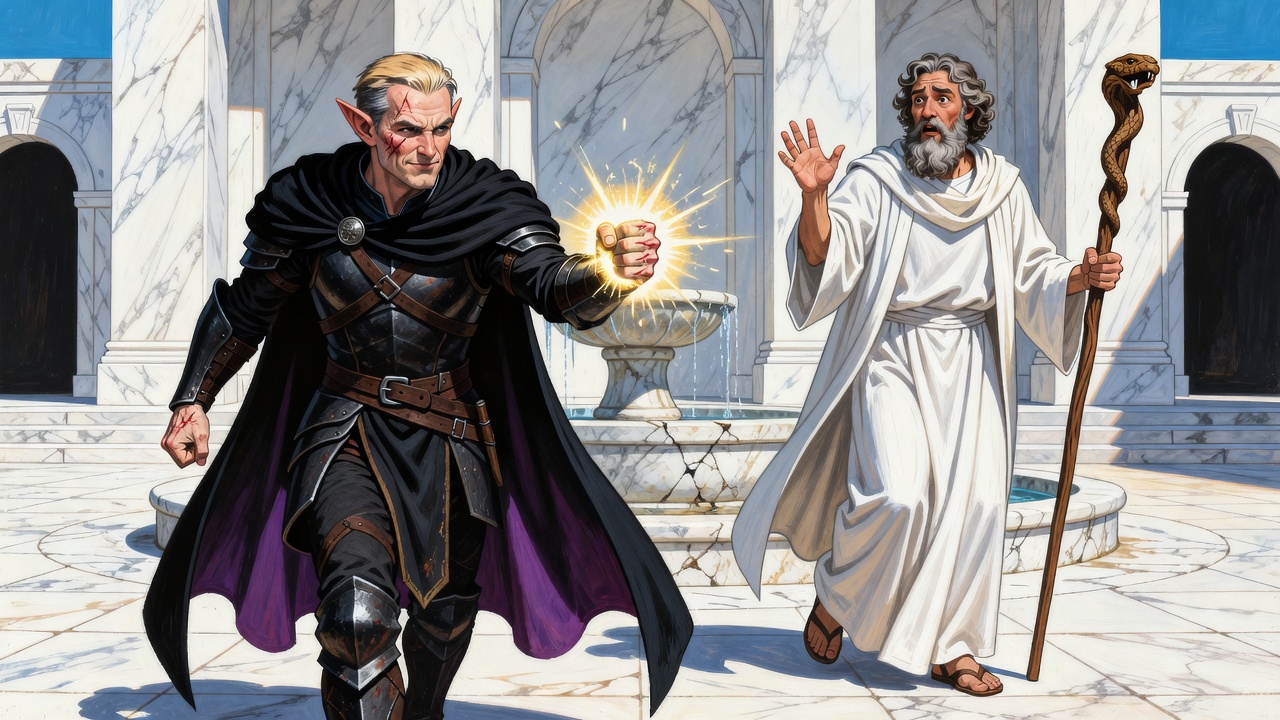
By chapter 9 he has done the unthinkable: he has torn out the Bright-Faced One’s heart with his own hand. He takes it out of his pocket and confronts Asclepius, a healer-god who was once a mortal, demanding help for his flock. Killing a god brings no experience and no loot, only a title (English readers call it Godslayer) and named scars that will not fade: a cheek burned by the Bright-Faced One and a hand crippled by adamant. The war’s climax, a Czech reader adds, takes the Bright-Faced One’s temple in the City of Light, while allies from Inferno look for their chance.
The Rupture
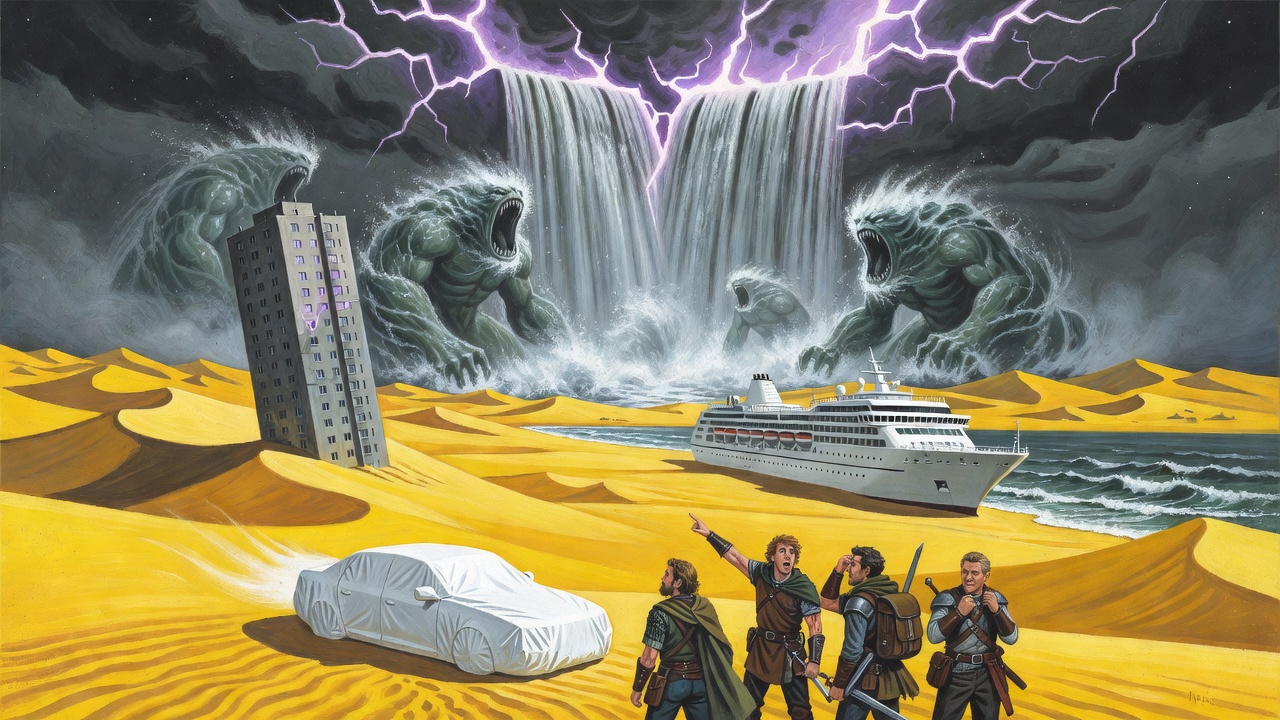
Somewhere past the middle of the book the cord between AlterWorld and Earth tears. AlterWorld is no longer a program. Game mechanics stop working and the world settles into new laws; ordinary players are thrown out, and those left are the perma players and the NPCs, who realise they are the majority and start taking revenge on the immortal players for thousands of deaths. And pieces of Earth fall in: a cruise liner, a sixteen-storey apartment block from Moscow’s Biryulyovo stuck in the Frontier sand beside a vampire nest, cars, a brand-new Range Rover still in its factory covers, an old man with a load of watermelons. The publisher’s description has the sea itself arrive:
“The icy waters of the Baltic cool the scorching sands of the Frontier.”
The Earth interludes multiply: mermaids and submarines, a little gnome and children, a zombie, a goblin. Nata, an American freed from the Chinese cluster, describes how the United States of her day treats Russian immigrants and their children, the passage reviewers in every language single out as propaganda.
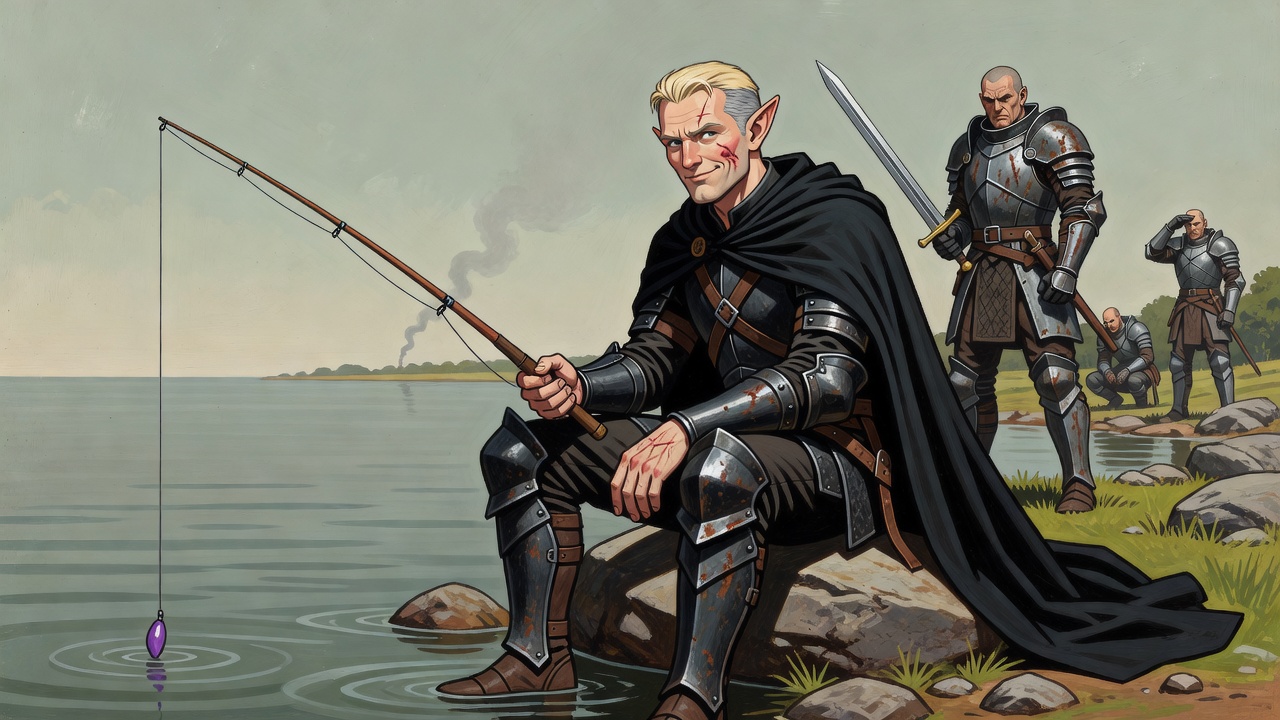
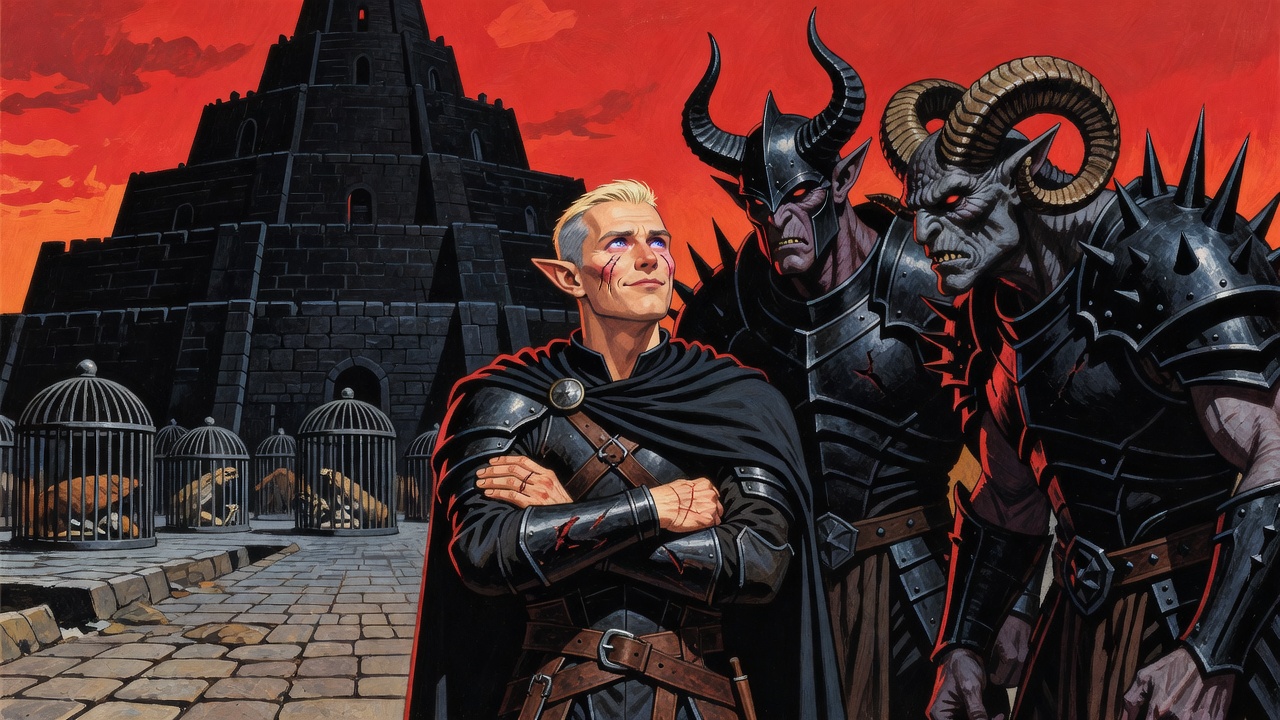
Max fights on. He goes fishing under the guard of a bloodied mercenary squad, a picture he compares to Brezhnev fishing in a war zone. He fights through a city so choked with gravestones that they sit on balcony rails and fence spikes. The new physics is unkind to fighters in silk armour. Demons have built a ziggurat on Max’s land; he tells them he has killed two gods today and chased a third through a ruined city, and grants them guest access only: walls restored, ziggurat taken down, animals released. Max’s people battle Lolth for the Bright-Faced One’s altar, and the kitten, Barsik, gains some thirty levels against her spiders.
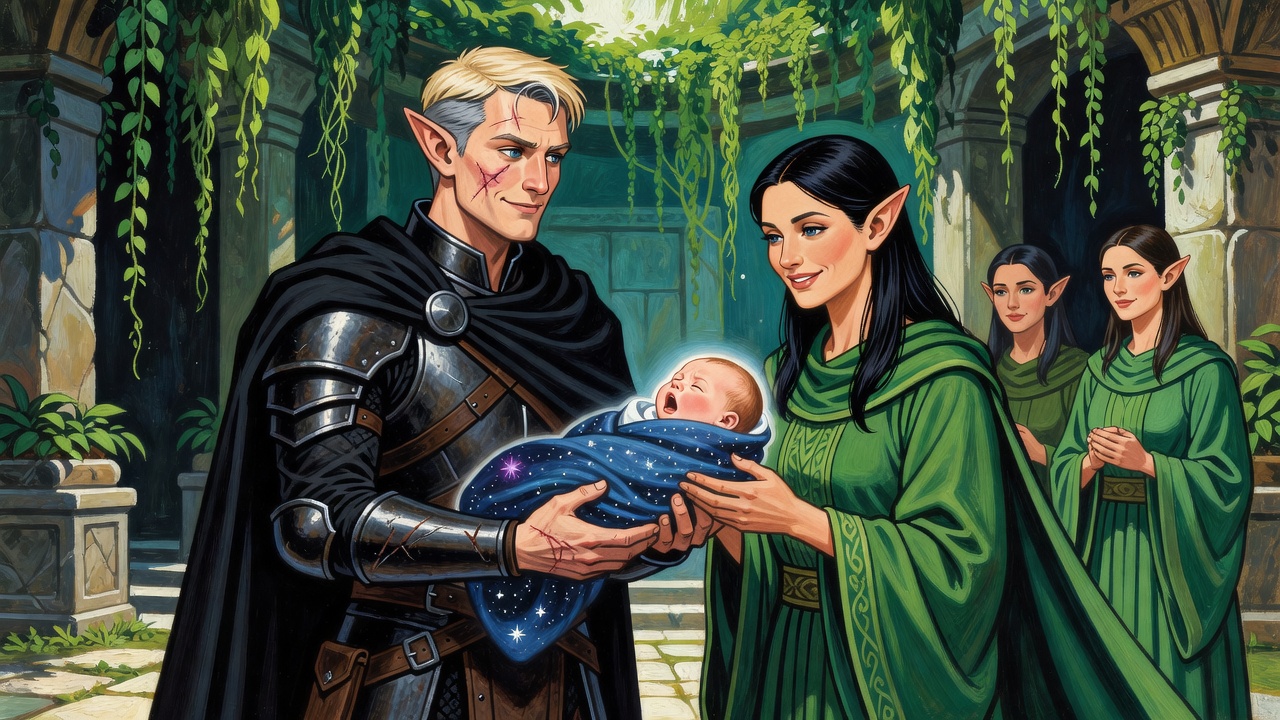
There are losses. Macaria is unmade (in Book VII the Fallen One tells Max that his wish was only a request: the god unmade her himself), and readers count Sergeant Mona Lisa among the dead. The Fallen One has a newborn son. While the spent god lies out cold with Aule in the Crypt of Chronos, the screaming baby lands on Max, and the wet-nurse is Max’s own mother, High Priestess of Yavanna; the child drinks life force. Max has made a Pantheon of Balance, and summoned as a new goddess a light-elf girl with a burning gaze.
Oil, Katya and the Arch
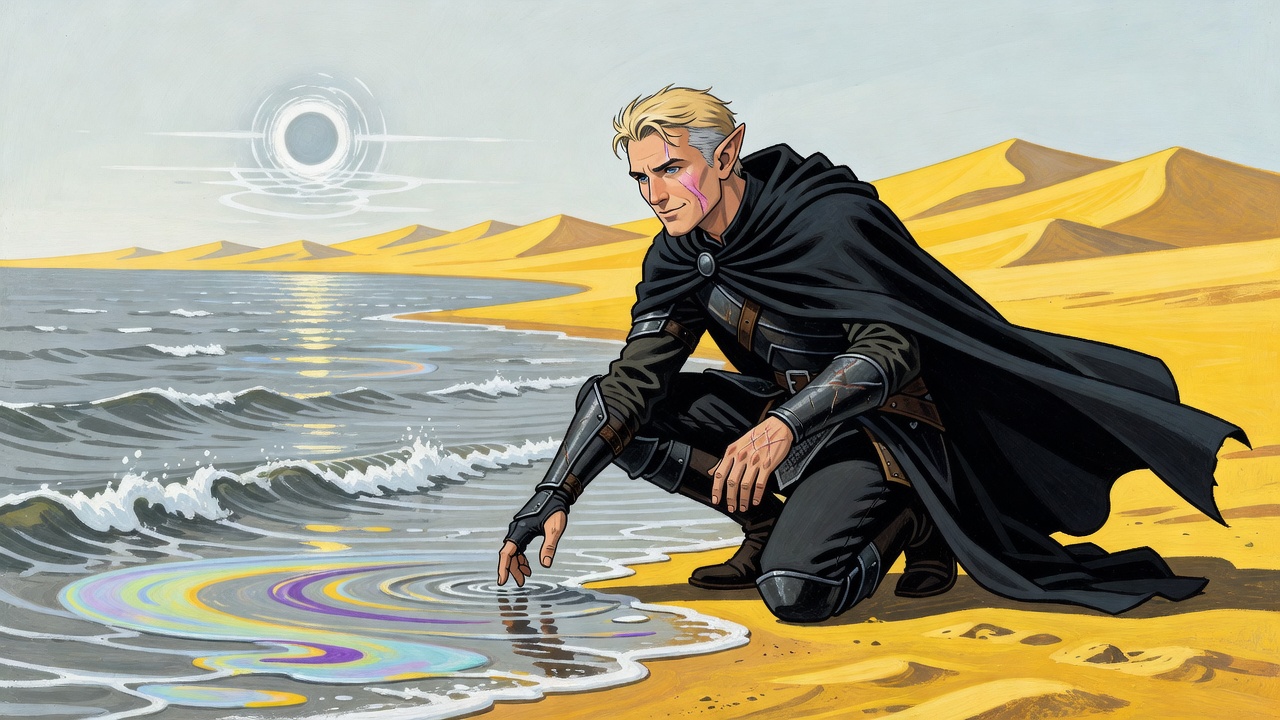
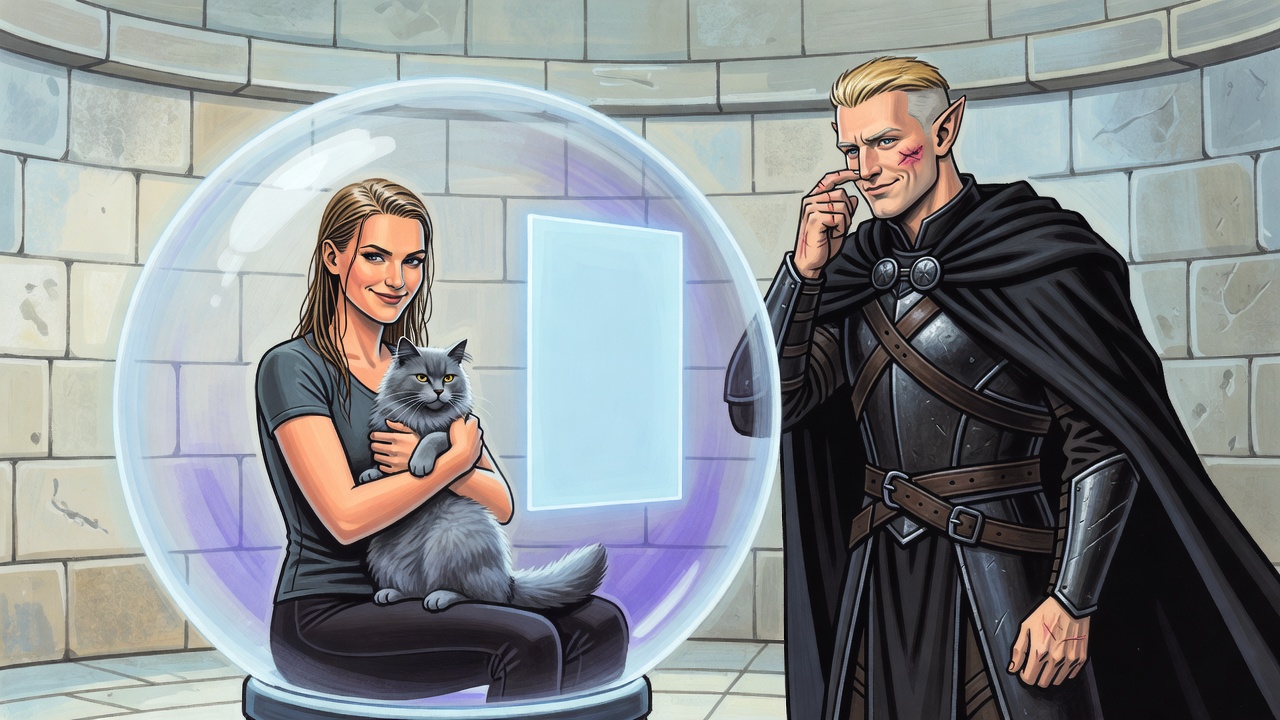
In chapter 15, on a solo trip along the new seashore, Max sees oil slicks on the water and pictures a supertanker’s stern jammed in a hole between the worlds. He has no idea why he needs oil in a magic world, but he wants it. Then he finds Katya: a young woman from Riga, a student of law and diplomacy, pulled into AlterWorld by the Rupture, killed and resurrected in a crystal sphere of rebirth. She sits there calmly hugging her cat, wrings out her sports top and sets up her menus. She sees straight through him: no elf ears or fake scars, she says, can hide that provincial Russian face. He scratches the cheek the Bright-Faced One burned. The scars are real.
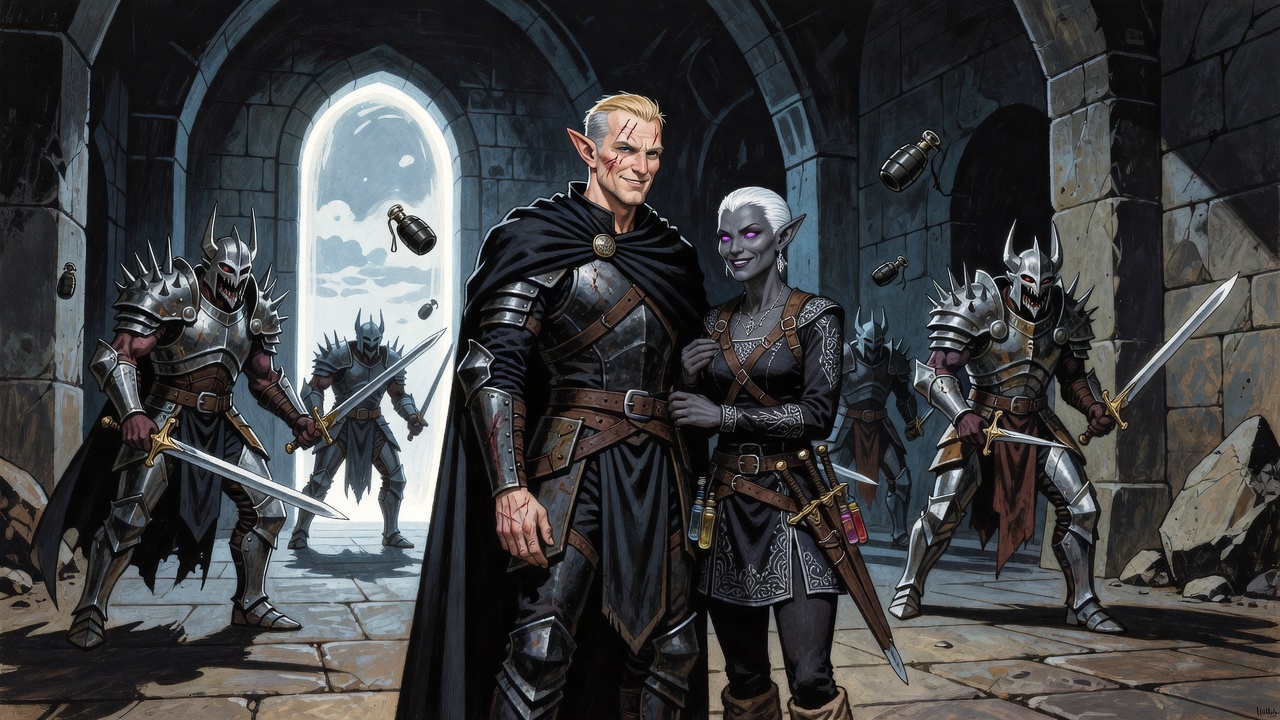
Back at his castle in chapter 16, Max finds that the demons have done their job, and quietly arranges for them to be spent in battle, help arriving late. He hides his trembling hands from his officers. In chapter 17, driven by the greedy pig, he leads a looting raid on the underground base of the Spotted, the camouflaged foreign special forces, where even the grenades turn out to be federal property. The raid gets out of hand. An arch opens to Earth. A few dozen level-400 demons, the remnants of Asmodeus’s Silver Legion, fight the Alliance to the death in the gallery and turn it into a slaughterhouse. Lizka kisses Max seconds before the grenades go off. Max dies, and the arch closes right after his death. General Frag takes command, Dan and Orcus stop the panic, and Max’s drow bodyguards kill themselves to follow him.
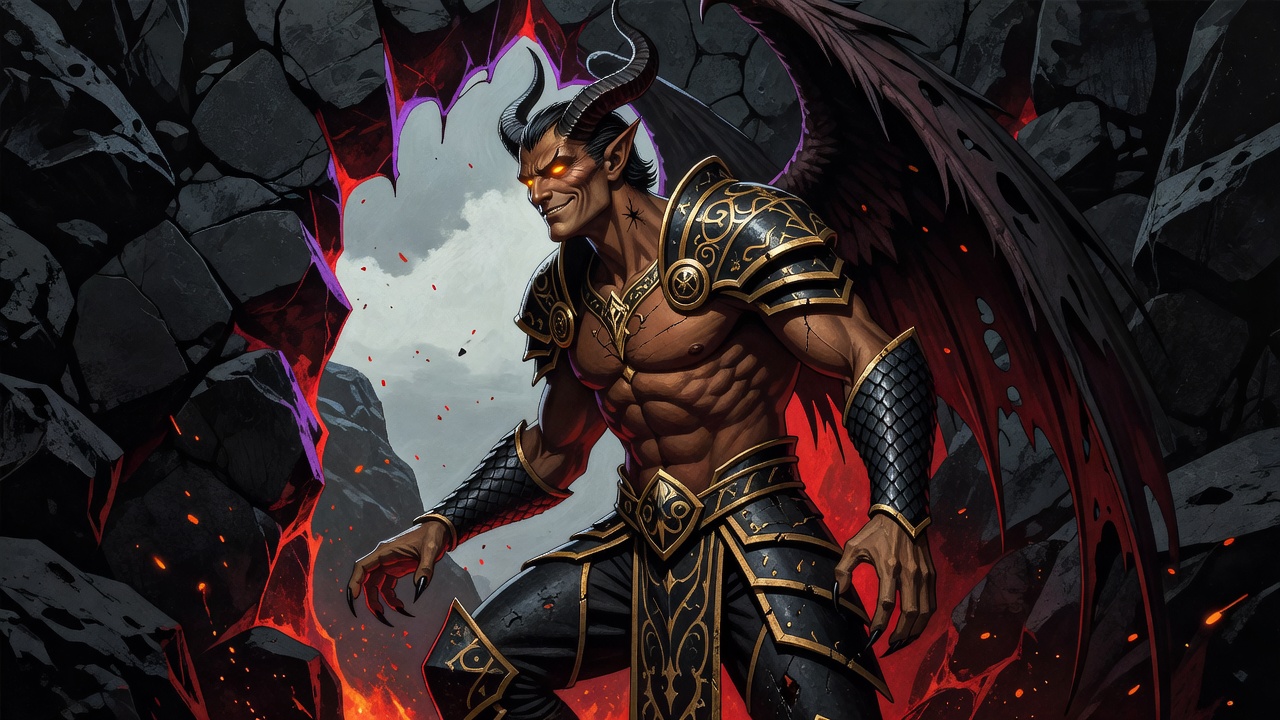
Asmodeus, the ally whose ring Max carried, has reached Earth, and Max has let hell loose on his own planet. The book ends there, mid-stride. The Ultimation opens minutes later, with Max resurrecting in the Sphere of Rebirth and asking himself whom he trusted.
The game in this book
- Graves as loot boxes. A fallen player leaves an indestructible gravestone that holds his gear for about three hours; after the first night some thirty thousand of them carpet the sand before Tian-Lun, and stealthers of both sides drag them off in the lull. Max breaks one open only by pouring his will through the Spark of the Creator.
- Respawning as a weapon. The bomb riders die in every blast and respawn, credited with the kills, Lizka thirty-two levels higher and Timur forty-three; only four fighters hold the achievement the job calls for, so others are drafted.
- Pets and Soul Stones. From a seraph’s Soul Stone Max raises a level-350 pet and splits it into a platoon; his old panther’s status bar reappears when she returns; the snow-leopard kitten comes with a quest, level 100 within a month, and gains some thirty levels against Lolth’s spiders.
- Powers that cost. A resurrection that draws on the Fallen One’s own life; a demonic staff that drinks the life of everyone near; an immunity won from the Bright-Faced One’s blood that turns arrows; Gilding; the Spark of the Creator, paid for in nosebleeds.
- Killing a god. No experience, no loot: only a title (English readers say Godslayer) and named scars that stay, a burned cheek and a hand crippled by adamant.
- The machine breaks. When the King of Basilisks takes flesh, the system messages that announce it fail with an unreachable update server. After the Rupture the mechanics stop working altogether, ordinary players are thrown out, and only the perma players and the NPCs remain.
- Treaties with monsters. The basilisks fight under a treaty: Max resurrects the King’s subjects and accepts a loss cap of two lesser basilisks or one greater, but will not promise to revive every egg the basilisks ask for.
- Time as a resource. The Crypt of Chronos runs fast, so exhausted defenders rest there for a day that costs little time outside. Book VII opens with a new ability in Max’s list: a portal to Zone Alpha, Earth.
Continuity notes
- Max begins besieged at Tian-Lun as First Priest and leader of the clan and the Alliance; he ends dead in the underground gallery of the Spotted base, with a god-killer’s title, a burned cheek and an adamant-maimed hand, and respawns at the start of Book VII.
- Umka falls in the Valley in chapter 3, the first time Max has lost him; a reader highlight from later in chapter 4 has Max calling him home by the Fallen One’s power, and he is alive in Book VII.
- Lizka (Mona Lisa) rides a bomb in chapter 2 and kisses Max before the final blast, though readers count Sergeant Mona Lisa among the book’s dead. Book VII has Max wonder whether her memories have come back; the reachable sources do not say how she returned.
- The cats return for one battle and leave by portal; their kitten, Barsik, stays as Max’s familiar.
- The Fallen One ends spent and out cold with Aule in the Crypt of Chronos, father of a newborn son he does not yet know of. Macaria is unmade. Max has made a Pantheon of Balance and summoned a light-elf girl as a new goddess.
- The Bright-Faced One loses his heart to Max by chapter 9; after the Rupture Max’s people battle Lolth for his altar.
- Max’s mother, High Priestess of Yavanna, is wet-nurse to the god’s son.
- Asmodeus goes from sworn ally, summoned by Max’s ring, to traitor loose on Earth.
- AlterWorld is severed from Earth and no longer a program: Earth wreckage and stranded people in the Frontier, the Baltic on the sand, NPCs in revolt. Earth has AlterWorld’s creatures in its streets.
Notes
- The two cats. In the English edition’s chapter 4 the names of Max’s two cats are swapped: his old panther pet is called Tigress, and the sabre-toothed guardian of the Abandoned Temple is called Bagheera, the reverse of the earlier books. It is the slip English reviewers mention most. In the Russian the pet is a female puma, Bagira, and her mate is simply Sabretooth. This page describes the cats by role.
- What the page rests on. Chapters 1–4 come from the publisher’s free Russian excerpt and are known scene by scene. Chapters 5–17 rest on reader highlights pinned to chapters, reviews, and the opening of Book VII, so the middle of the book is told in outline, and its order (above all where the Rupture falls) is not certain.
- Names. The English edition renames much of the cast. This page uses the forms research confirmed or the series’ sibling pages use: Max, Laith, the Fallen One, Humungus, General Frag and Dan (Russian Skull and Stas), and the white beast (Cheburashka in the Russian, Pooh the Bear in the translation). The Bright-Faced One is this companion’s rendering of the Russian Svetlolikiy (no English-edition form was found; one English reviewer calls him the sun god); Umka, Bomba, Lizka, Timur, Orcus, Tian-Lun, Genzilla, Barsik, Katya and Macaria follow the Russian, and the English text may spell them differently.
- What readers argue about. The nonstop combat and Max’s near-omnipotence; the clan’s girlfriend-training manual and the girlfriends killed off; the anti-American passages, above all Nata’s account; and, in the Russian text, a soldier’s joke about Europe’s winter of 2022 without Russian gas that later readers called prophetic. English readers add typos and missing words, and one reports a change of translator after Book IV.
- Editions. English Kindle 20 December 2015; paperback (CreateSpace) 2 November 2016, 226 pages; Audible audiobook narrated by Michael Goldstrom, 2016, 10 h 4 min. Audible’s page for Book VII reuses this book’s description word for word. The Russian edition has seventeen chapters and a glossary.