Play to Live · Book III · 2013
The Duty
Bailed out of a spider goddess’s halls on a year’s parole, Max sets out across the desert to found a temple, and turns aside for a runaway slave.
The Duty is the third Play to Live novel: «Долг» in Russian, published by Eksmo in 2013, and an English Kindle book in December 2014, with an audiobook read by Michael Goldstrom in 2015. The Russian title means both debt and duty. The debt is the one Max owes the spider goddess Lolth; the duty, as one Russian reviewer points out, is to conscience, honour and homeland, and that is what actually drives the book.
It is Max’s story in the first person, eighteen chapters long in the Russian, and many chapters open on an italic document he never sees: a news column, a clan security report, the game company’s private e-mails, each showing the real world sliding toward crisis. It starts as a grotesque comedy in a goddess’s torture halls, settles into a long, cheerful stretch of home and money, then swerves from a temple hunt into a rescue and a desert war. A coda follows other people, and the book ends in grief.
The Halls of Pain
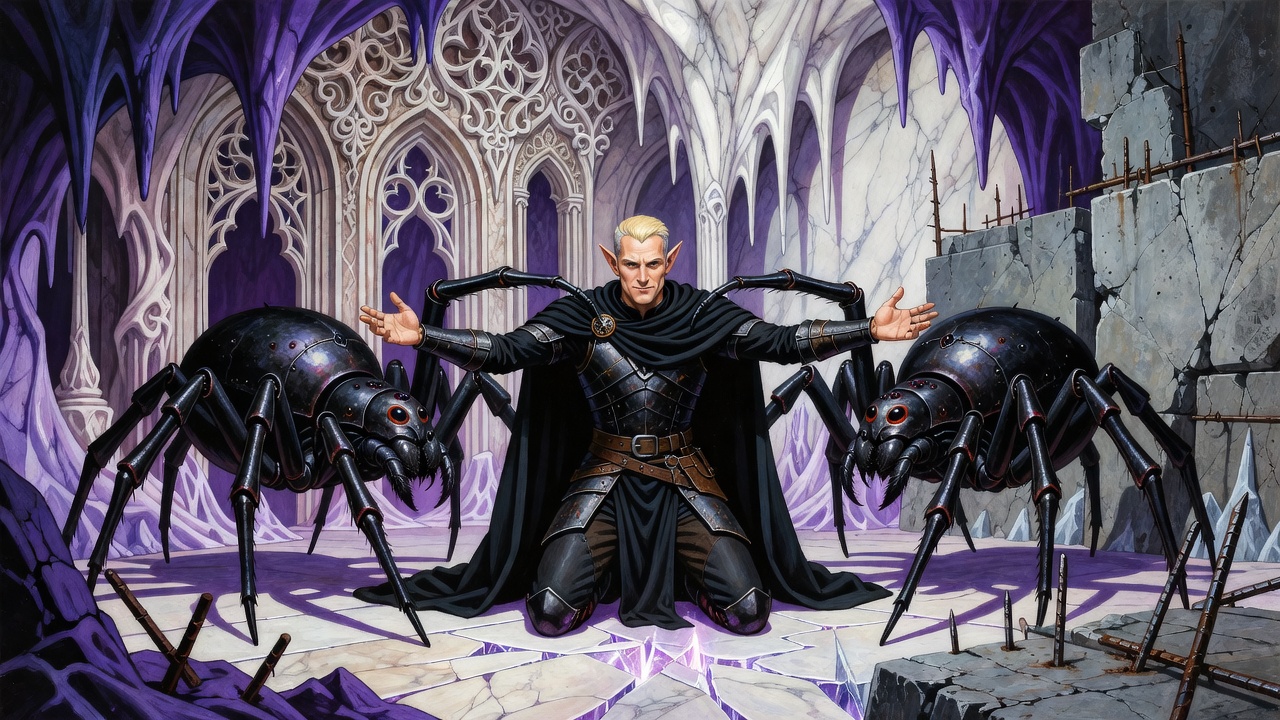
The Duty opens where The Clan left Max. The drow princess Ruata has betrayed him, and he has been sacrificed to the newly reborn goddess Lolth. Her Dark Halls are a cave palace whose walls will not hold still: gothic stucco melts into marble, and the marble into the grey slabs and rusty rebar of a concrete bunker. Pain is turned up there and death is switched off, so his health bar sits grey and frozen. Two giant spiders hold him kneeling in a pose with the ceremonial name of Highest and Humiliating Reverence, and they break his joints one at a time. His priestly skills are blocked. He prays to the Fallen One anyway.
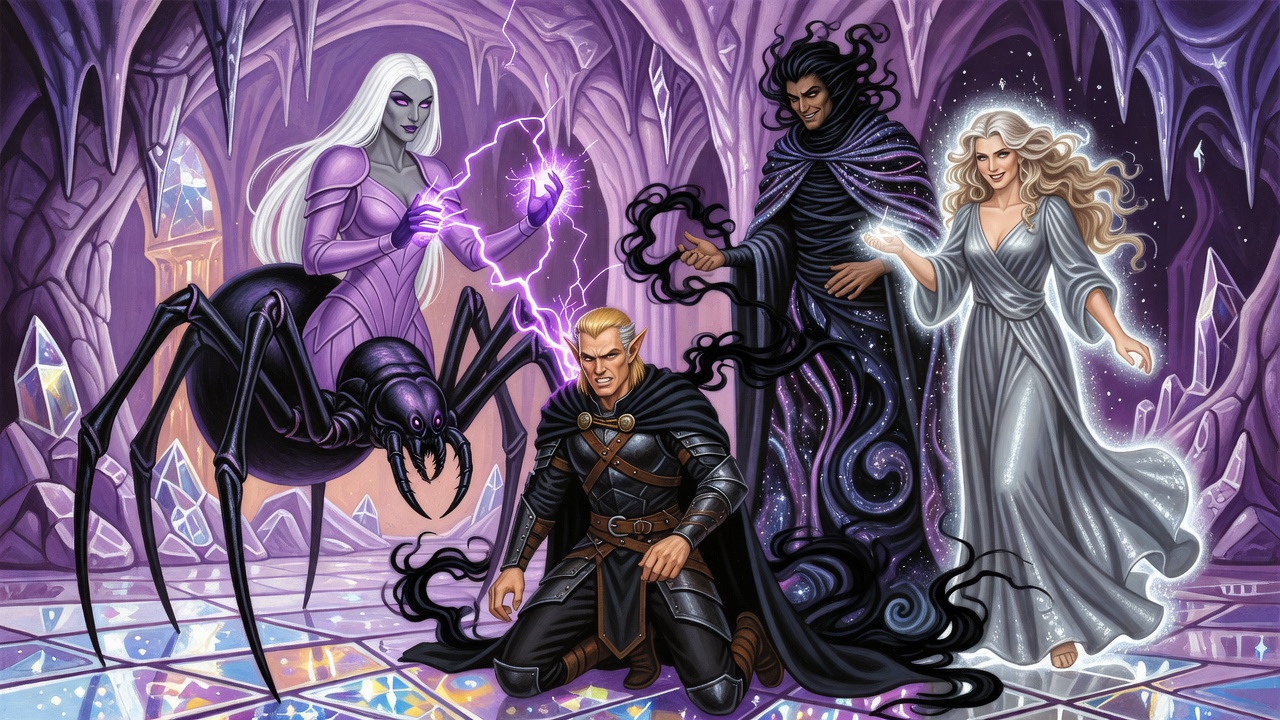
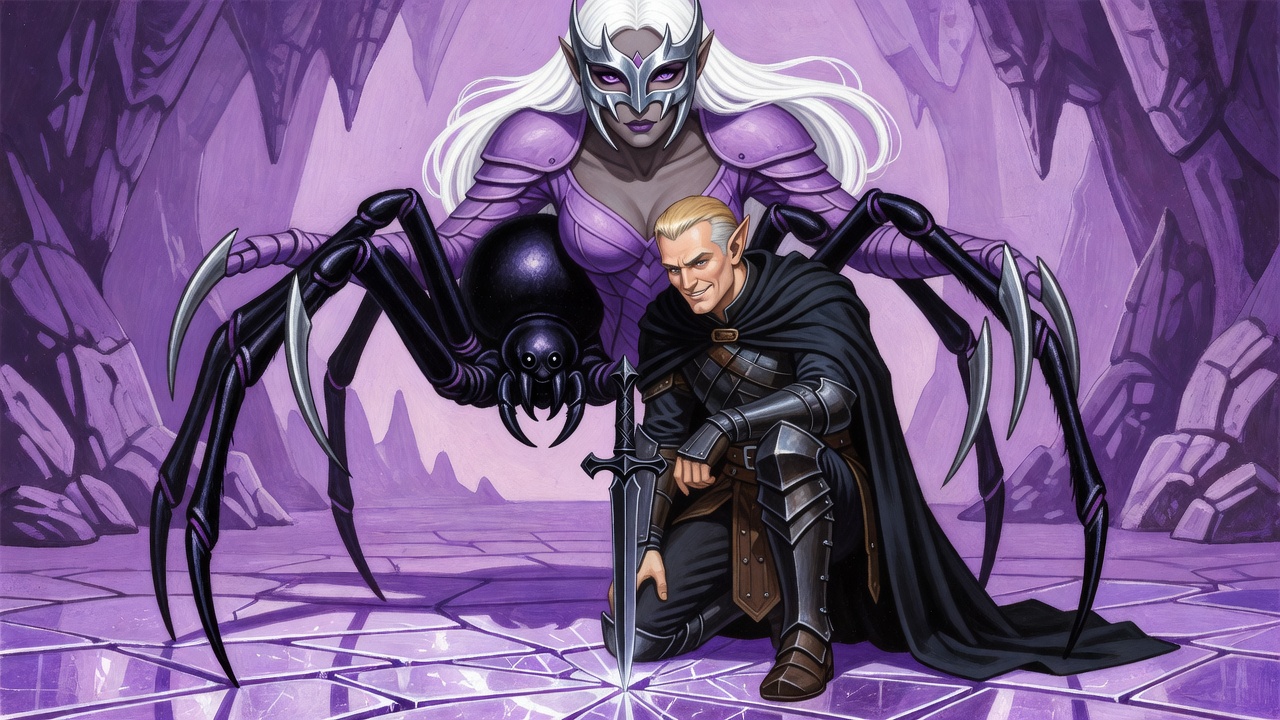
The prayer is answered. Portals pop open, and the Fallen One arrives with Macaria, goddess of Blessed Death. Her invisible hammer of air smashes the guards against the wall, but they still don’t let go, and Max loses both hands until she wishes them back. Then Lolth herself appears: a giant black widow with a woman’s torso. She and the Fallen One play tug-of-war with the kneeling elf, bending him back and forth between her violet power and his black, each claiming him as their own, while Macaria’s silver burns behind them. A raw-power blow from Macaria tears through Lolth’s shield and half her face, and the goddess armours herself in lilac chitin full of mithril, with adamantine claws. She warns that she has bound her essence to her altar, so destroying her would wreck the temple. The Fallen One appeals to her as an ally: six light gods against three dark. Lolth laughs that she, he and the light stand at three corners of a triangle, and the Fallen One replies that her triangle rests on his First Temple.
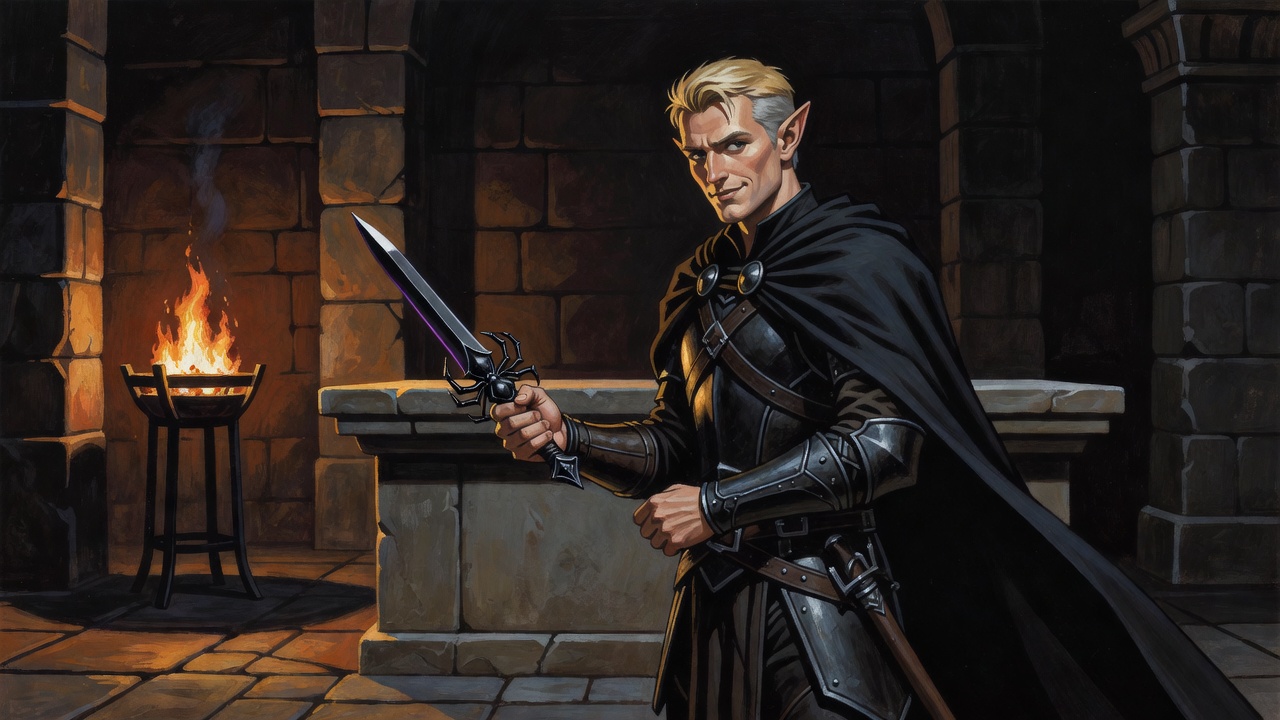
So they haggle like traders. Lolth asks for a hundred years of Max’s soul, and the Fallen One offers one. Max, still on his knees, proposes a substitute: the soul of the Patriarch of the Bright-Faced One, the light god’s high priest, whose curse has dogged him. Lolth agrees, with a catch. Max’s soul stays sealed to her halls for a year, and any death in that year sends him back to her for good. Macaria wins him one exception, a single voluntary death through her Blessed Death. He has one month to send the Patriarch to the Shadow World with Lolth’s own spider-blade, which she conjures in the air and drops point-first into the floor where his foot stood a moment before.
The Fallen One flicks him through a portal. Max lands on the porch of the First Temple’s courtyard, right on top of Lena, the thirteen-year-old who runs the place in his absence. She tells him off at once: the dragons need feeding, the zombie dwarf won’t release the mithril, the kitchen ignores her and the toddlers need their lunch. When Cryl asks where he has been, Max jokes that he is out on parole, with a year suspended.
Parole at the First Temple
The book’s long opening act is home, money and logistics, played as comedy. One of the italic inserts is a news column about castle domes cracked in seconds by an epic scroll, Astral Mana Absorption, and an anonymous broker auctioning a raid portal into Inferno. Both are Max’s. Another is a set of private e-mails inside the company that runs the game: the United States moves to nationalise it, and the board answers with plan Vault-13, sending more than a thousand chosen people perma through a hidden complex code-named Omega, and buys time with a flood of compromising leaks.
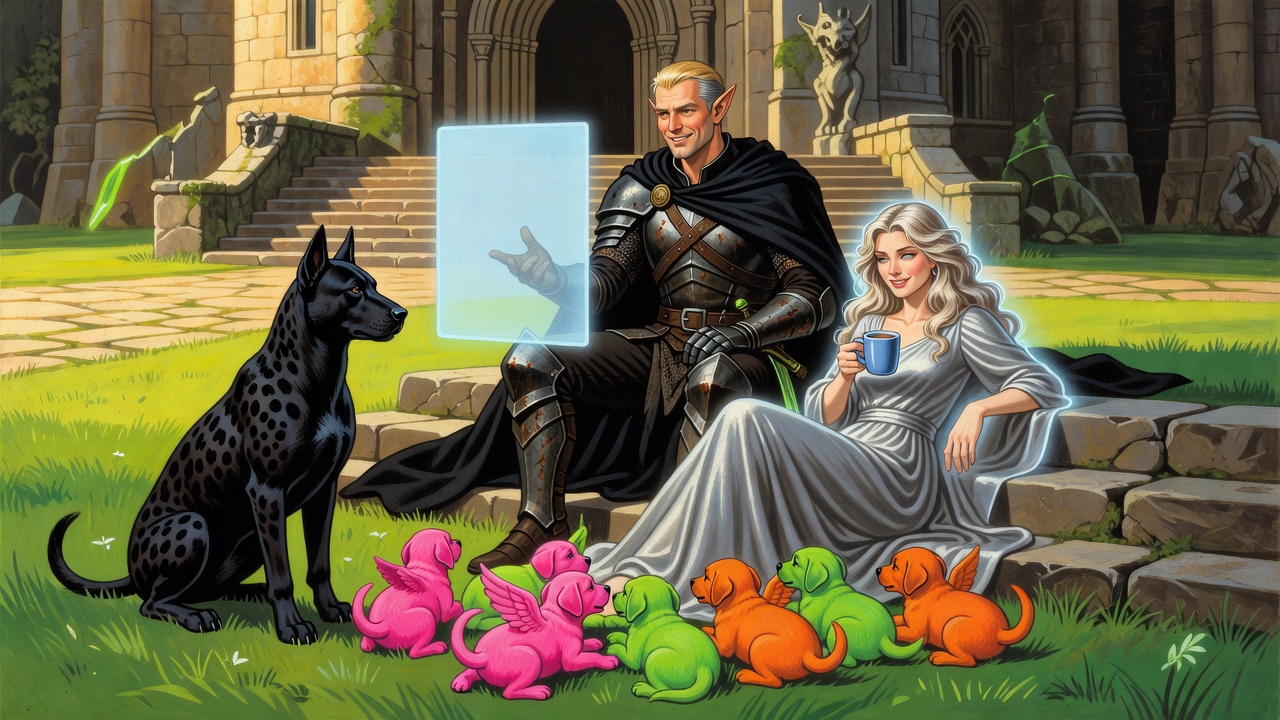
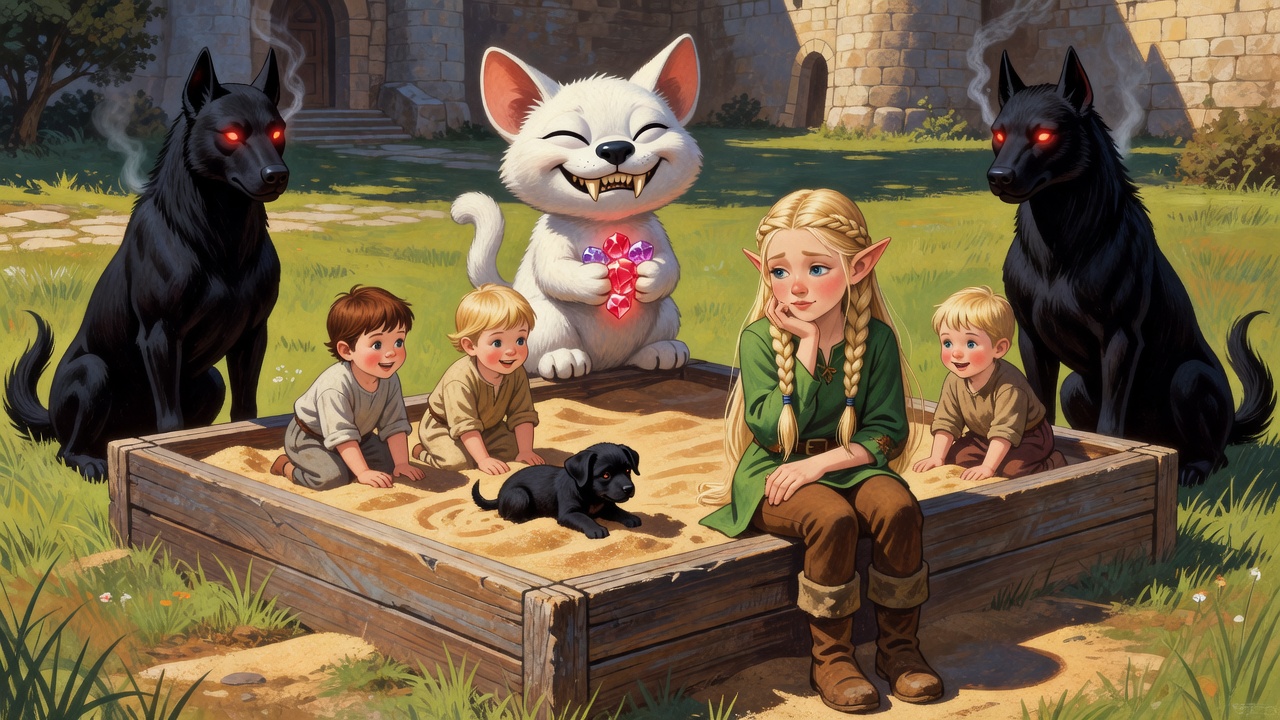
It is morning in the courtyard of Max’s Super-Nova castle, and he misses Taali. A coded message from her backup team in the real world, disguised as a broke traveller’s plea for three gold coins, reads as 3:0: all three of her targets have been dealt with, and she is on her way to Moscow to join him. Macaria sits on the porch drinking his coffee from his blue mug, a copy of one his mother gave him, and dyes a litter of hellhound puppies acid colours just by willing it. Lena keeps a sandbox nursery for the toddlers Doc has brought from his hospice, guarded by two hounds sitting like sphinxes.
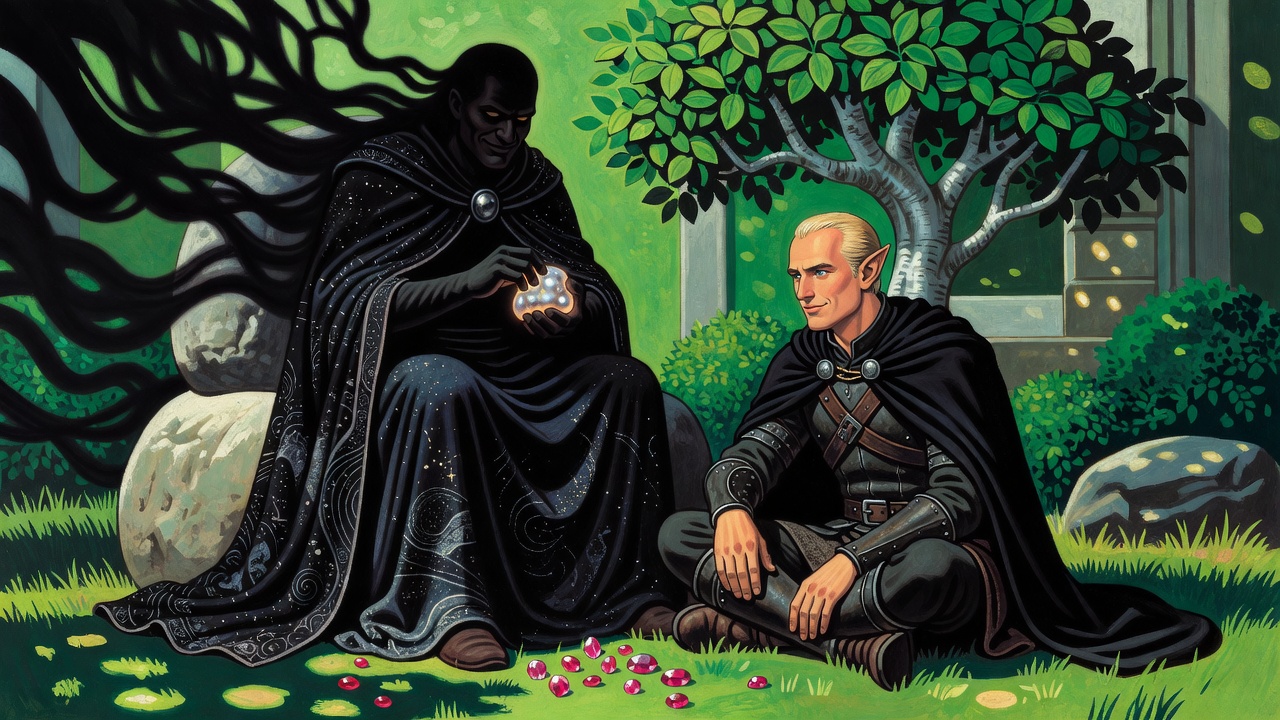
Under a purring dwarf mellorn tree, the Fallen One sits on a boulder he has squashed into a throne. He kneads mithril, adamantine, a bite of Max’s forearm and a bite of his own flesh into a coin-sized medal, breathes life into it while the sky thunders, and burns it into Max’s palm. It leaves a scar of his emblem, a stylised yin-yang. Once, when Max’s health falls below critical, the amulet will absorb some 50,000 points of damage. By bringing AlterWorld to life, he says, they are pulling it away from Earth, and the cord between the two worlds will soon snap. Fewer than two per cent of fifty million characters are perma, but they never log off, so they make up seven to ten per cent of the world at any moment, and the NPCs, ten times as many, are coming alive too. He praises Max for treating NPCs as people, and Max resolves to recruit natives, starting with his old teacher, the goblin hermit Grym.
About 2,000 kilometres south, in the Lost City, where the monsters run past level 200, stands an abandoned temple of the Unknown God with a neutral altar. That is the place to found a temple and summon Aule, lord of earth and metal, as Max promised the dwarves; their patriarch Thror will pay seven million gold and five hundred builders. Meanwhile mana floods in from Asia, some six thousand blessed deaths an hour, and Max wonders aloud about slavery and executions. The Chinese have built a Palace of Jade Emptiness and summoned their Jade Emperor.
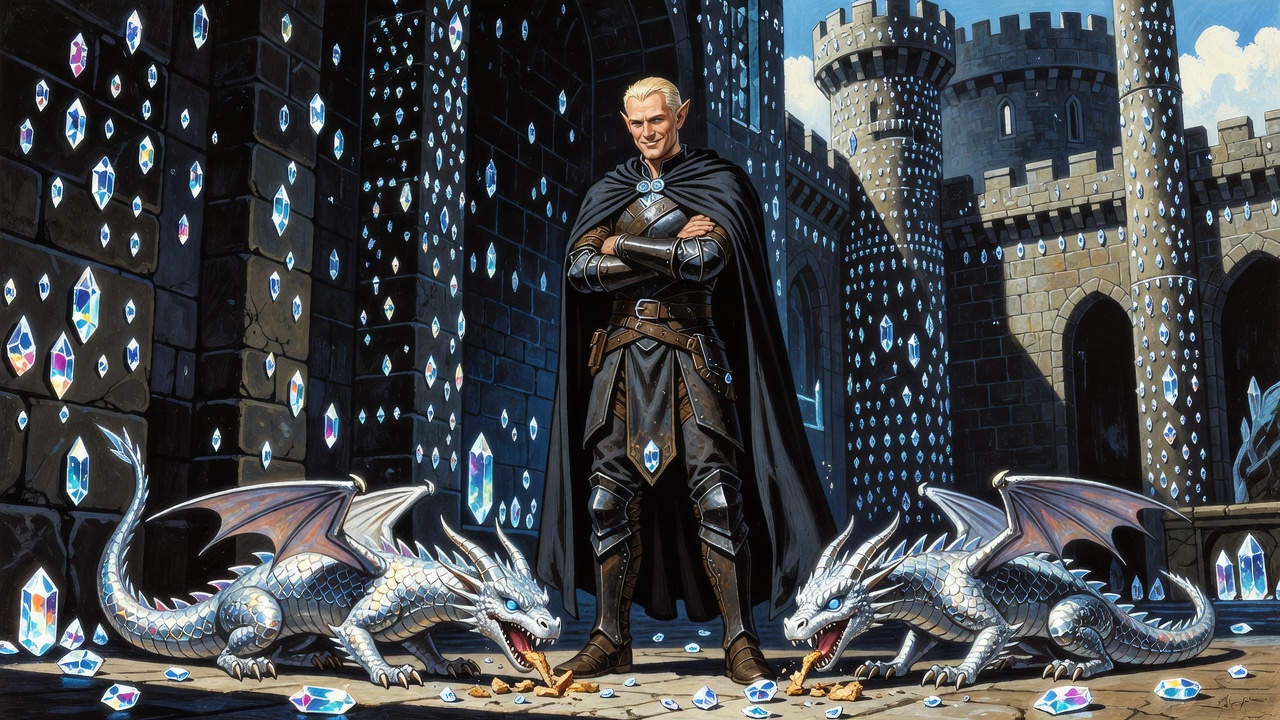
Max sits on the Fallen One’s throne and finds it has become a Place of Power. He counts his treasure: mithril worth about seven million gold, and tens of thousands of Stone Tears, crystals that Barrymore has wept and that the baby dragons Dasha and Kosha eat like crisps. Doc’s builders turn a castle wing into a school. Max tests the toddlers’ parental-control filters by swearing, the toddlers repeat the word, and Lena is mortified. When the castle’s white teleporting thief makes off with the rubies that were once the Fallen One’s blood, a toddler asks whether that is the bad word.
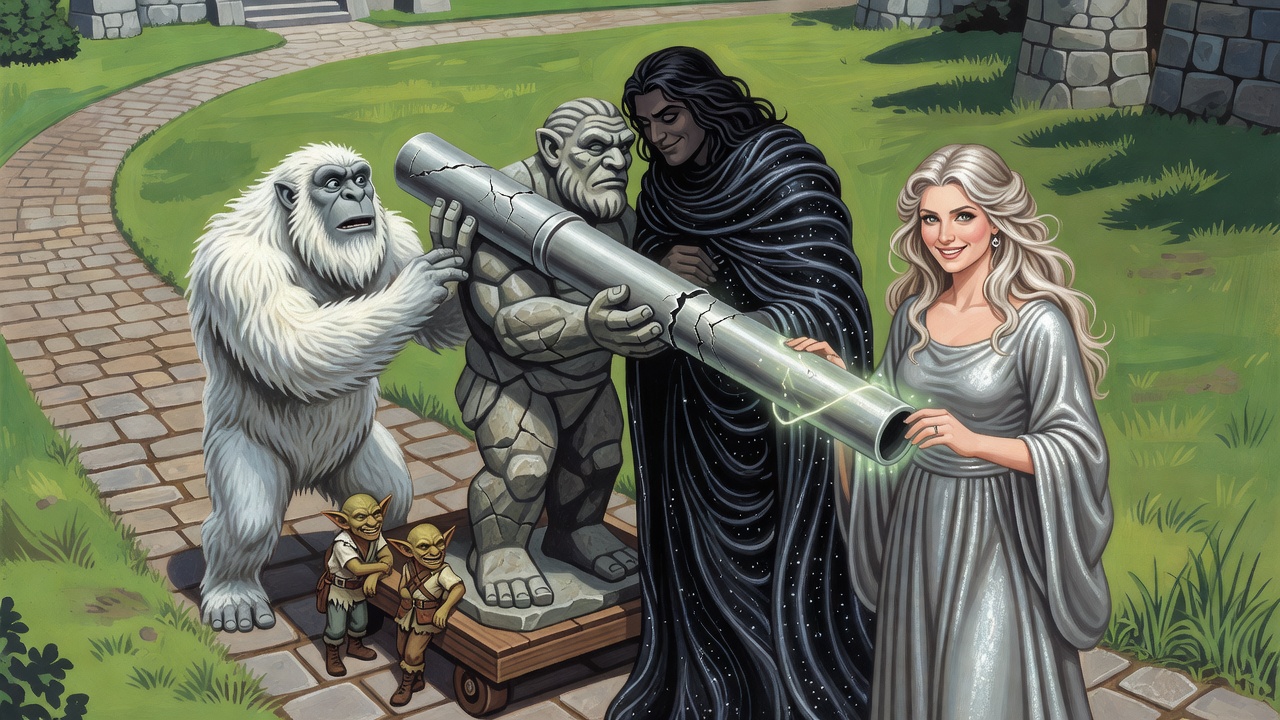
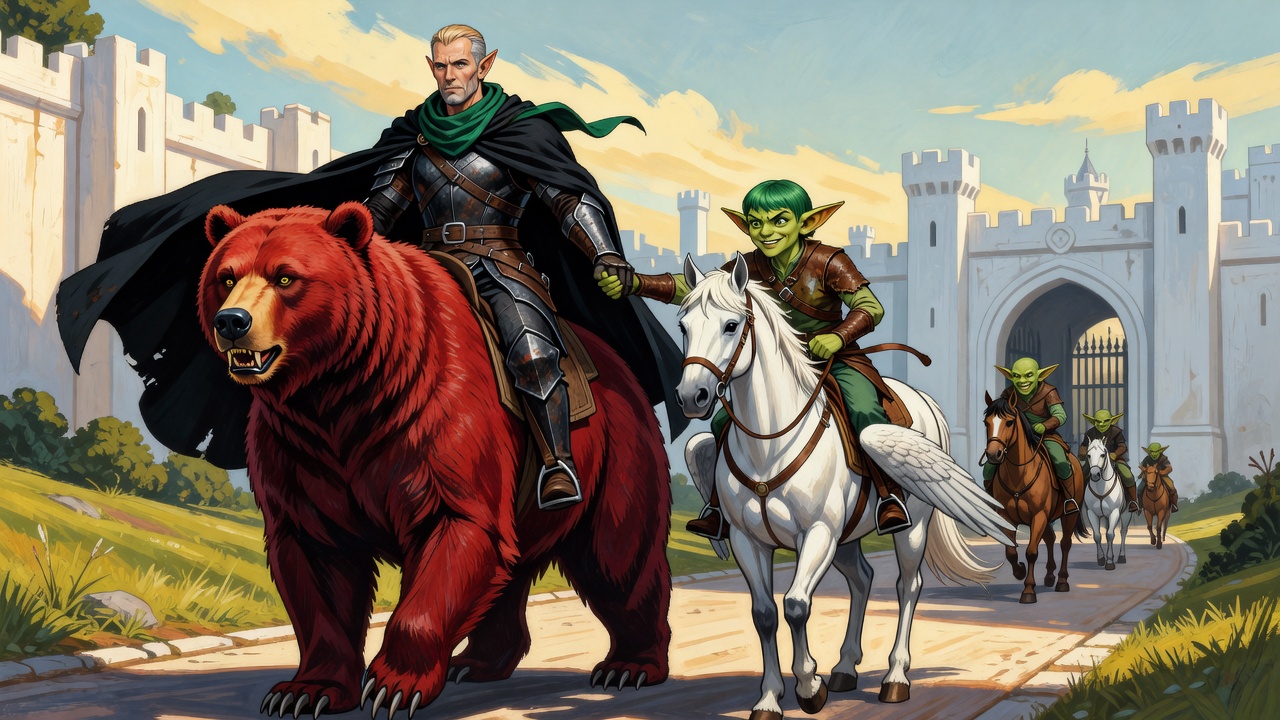
Cash is short: under three million gold, with a castle-loan payment due. So Max auctions what he has, from the right to ordain priests of Macaria to the Inferno portal and the absorption scrolls. He hires three hundred mercenaries at 150,000 gold a day, the same troops who fought beside him on City of Light’s central square, with Zena’s squad and a junior coordinator called the Widowmaker, who adds porters and an unkillable treasurer to carry the gold. Umka wheels in the statue of a petrified troll hero; at the Fallen One’s whisper its stone fingers open and pass the troll its weapon, a dented mithril tank barrel, which the two gods cover in runes. The number stamped on it is its calibre, but Max tells Umka it is a kill count. Disguised in a scarf, Max meets Zena’s all-female squad of goblins and one shy troll, and as they ride for Grym’s cave near City of Light, Zena admits that they were all old women in real life; she herself is ninety-six and was a mathematician. At the cave the ground shakes harder with every step down.
The Runaway
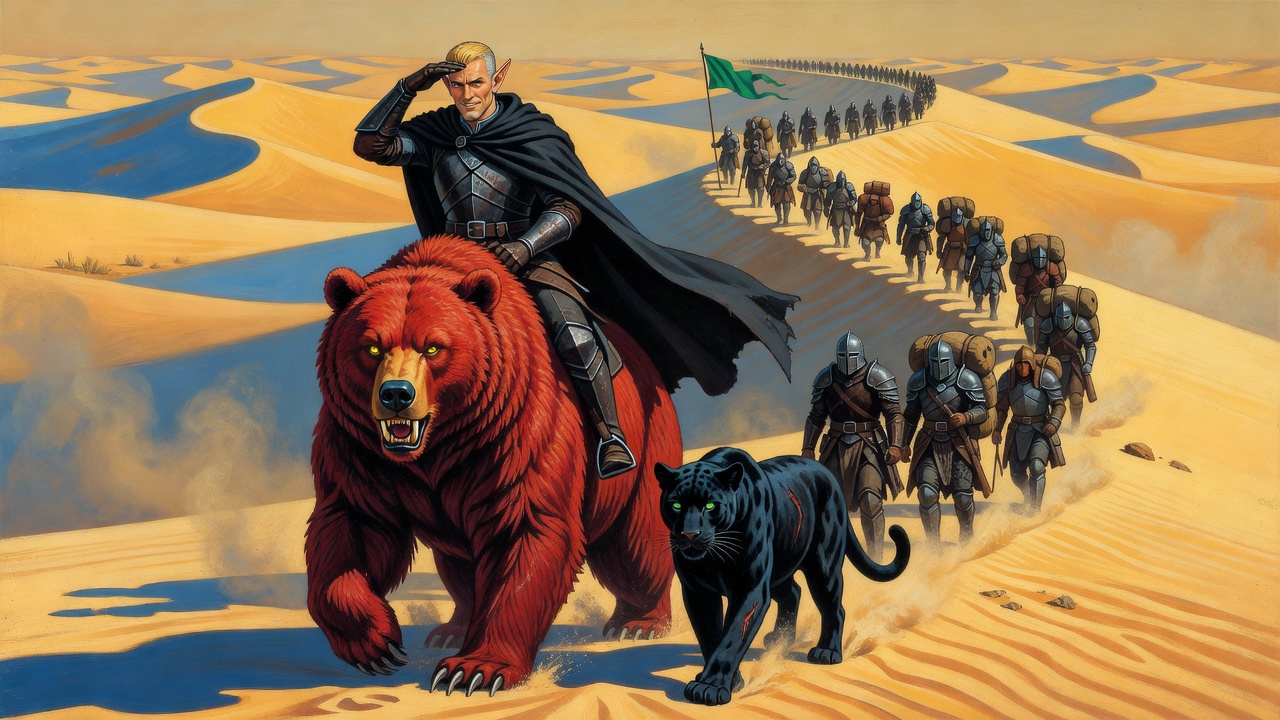
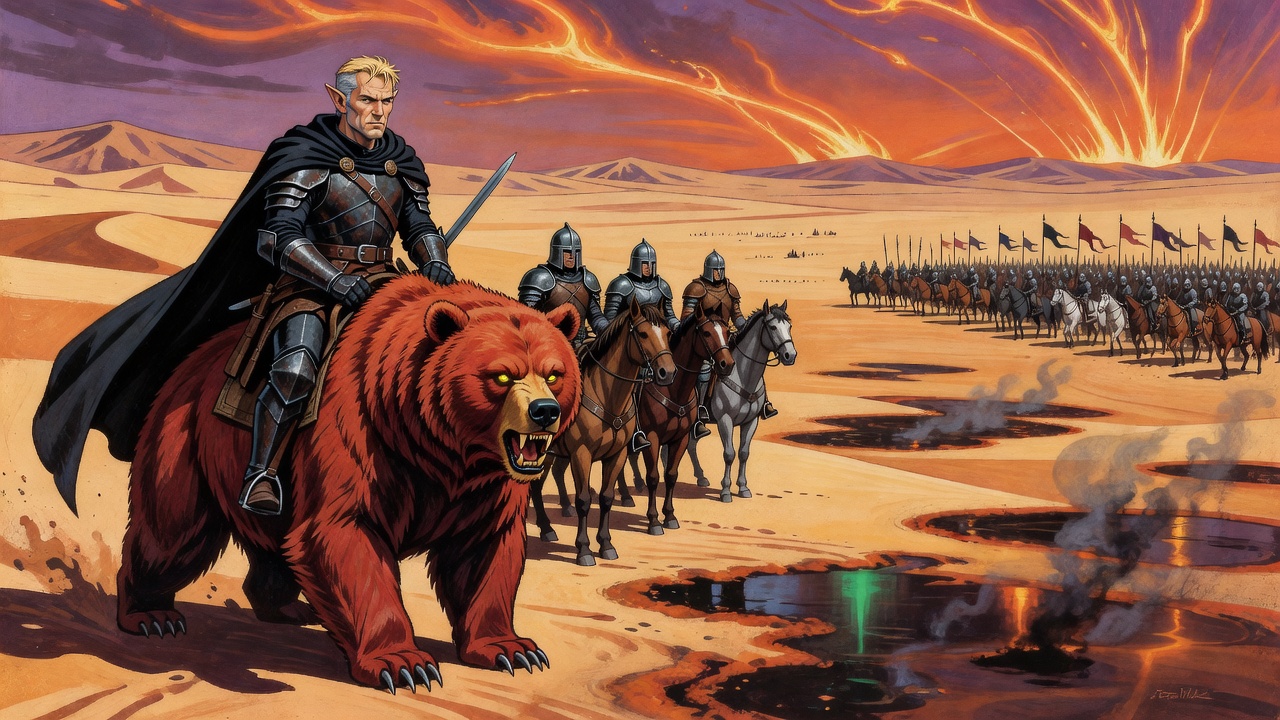
The raid forms up and marches into the Frontier, the unmapped desert between the clusters, toward the Lost City. One reviewer savours the irony: the one man who must not die this year is leading three hundred mercenaries into the sand. Somewhere along the way Max also gets back his half-forgotten pet, the big cat Bagheera.
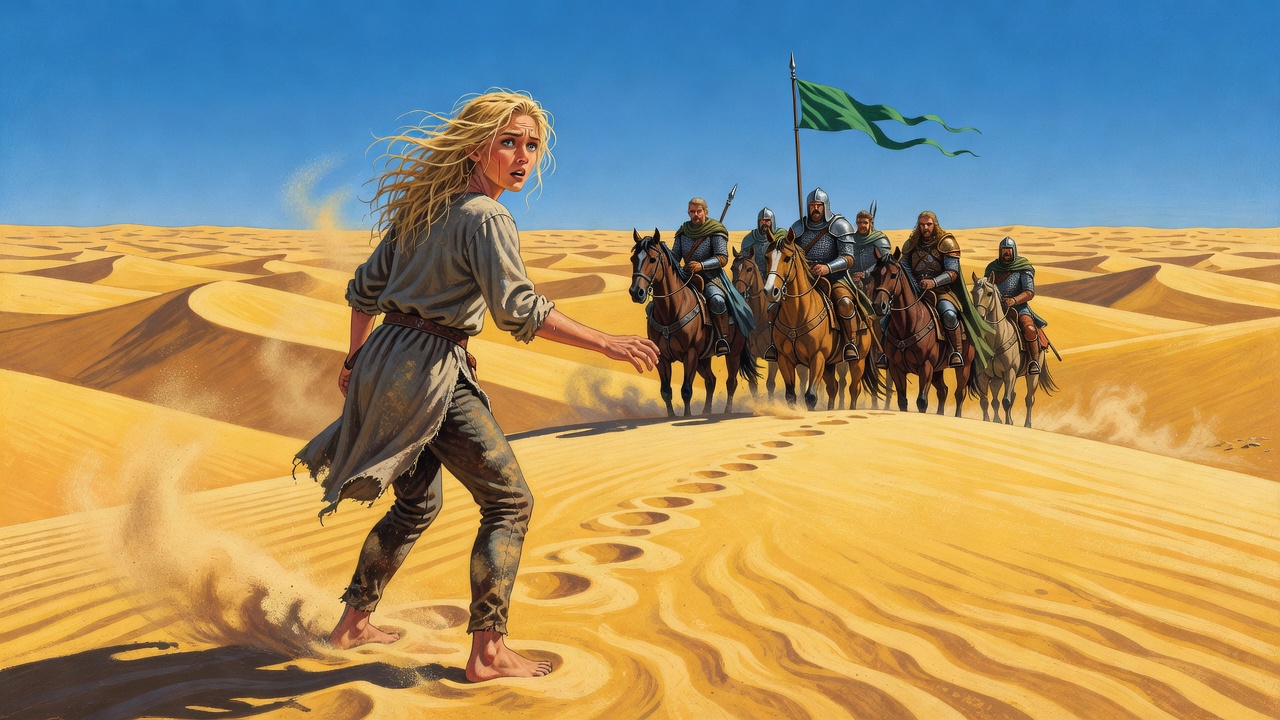
On the way they meet Oksana, a Russian girl who has escaped slavery among the Chinese and begs help from the first person she hears speaking Russian. Her story turns the book. A Chinese clan, the Shuifong, runs a system for capturing Russian-speaking perma players and using them as labour, as entertainment and as convicts without rights; the women are held in sexual slavery. When she looks along the line of mercenaries and frets that there are so few of them, someone answers with an old joke:
“The Chinese were leaking across the border in small groups of a hundred thousand each.”
Max decides to turn aside. A society of equals is a utopia, he reasons, but a society without rights is a horror, so he will let conscience guide him and take justice into his own hands. The book returns more than once to the idea that Russians don’t abandon their own. He asks Oksana how many people are in the castle.
The Slavers’ Castle
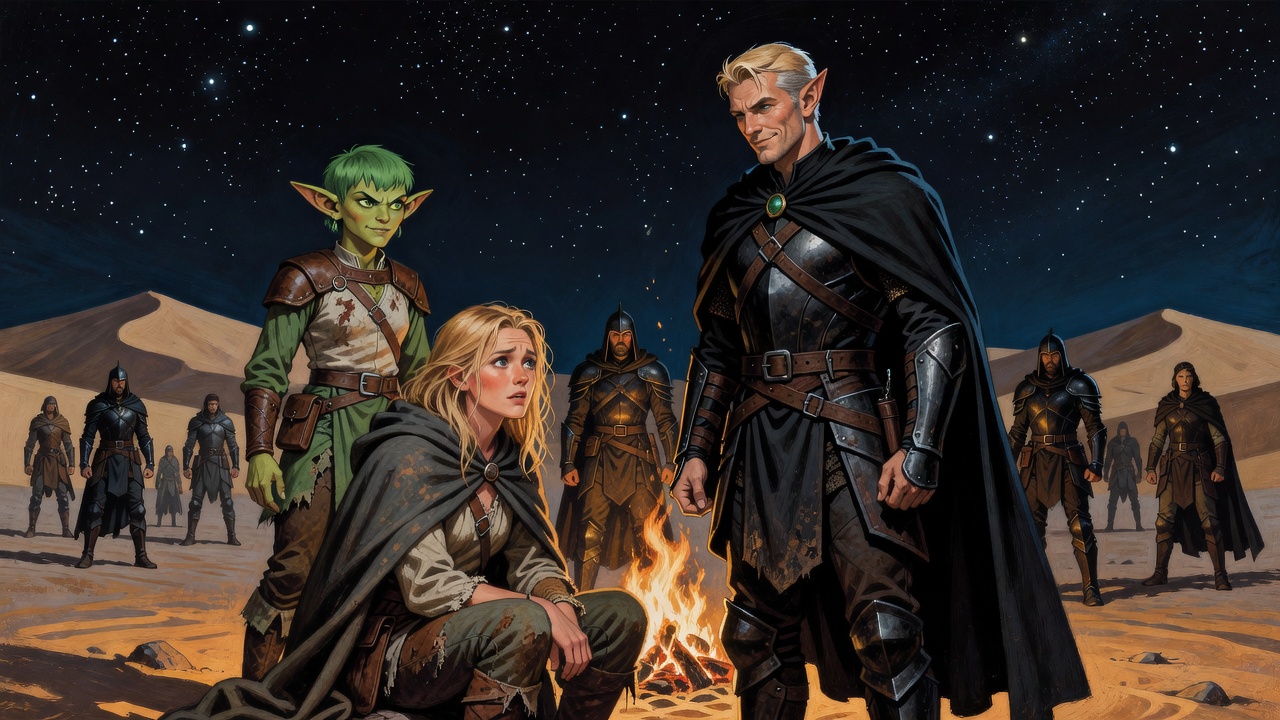
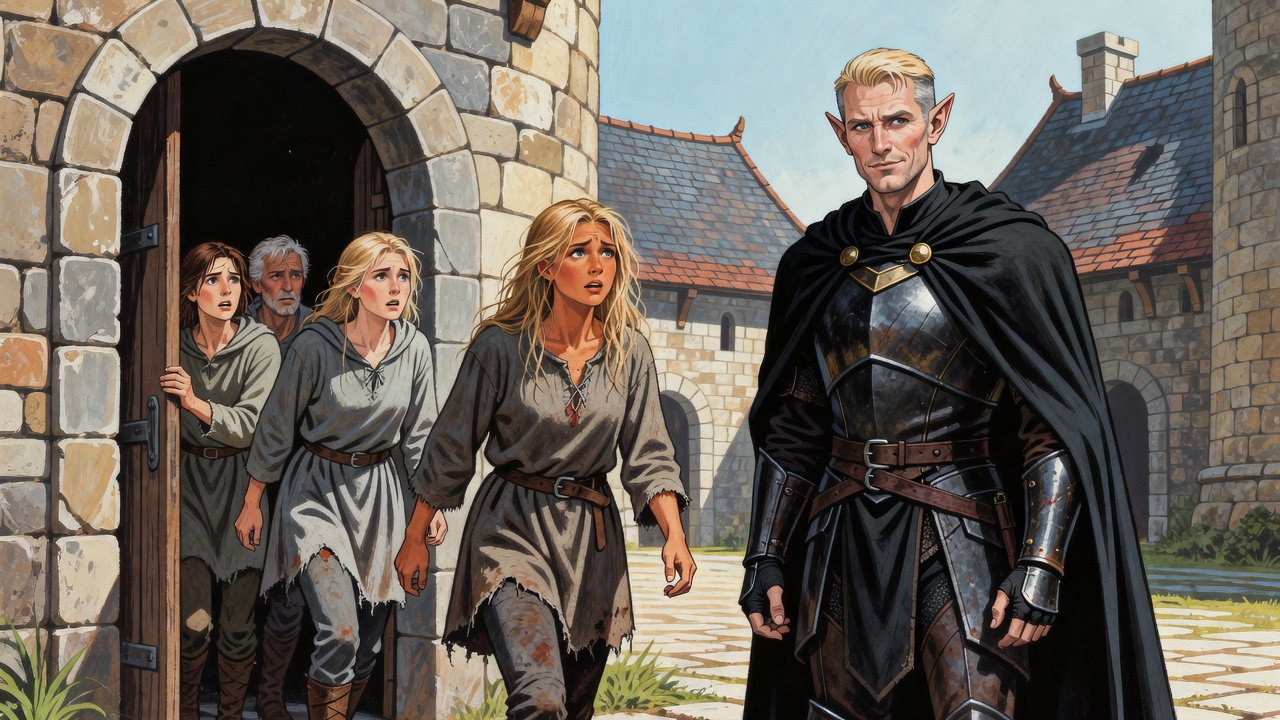
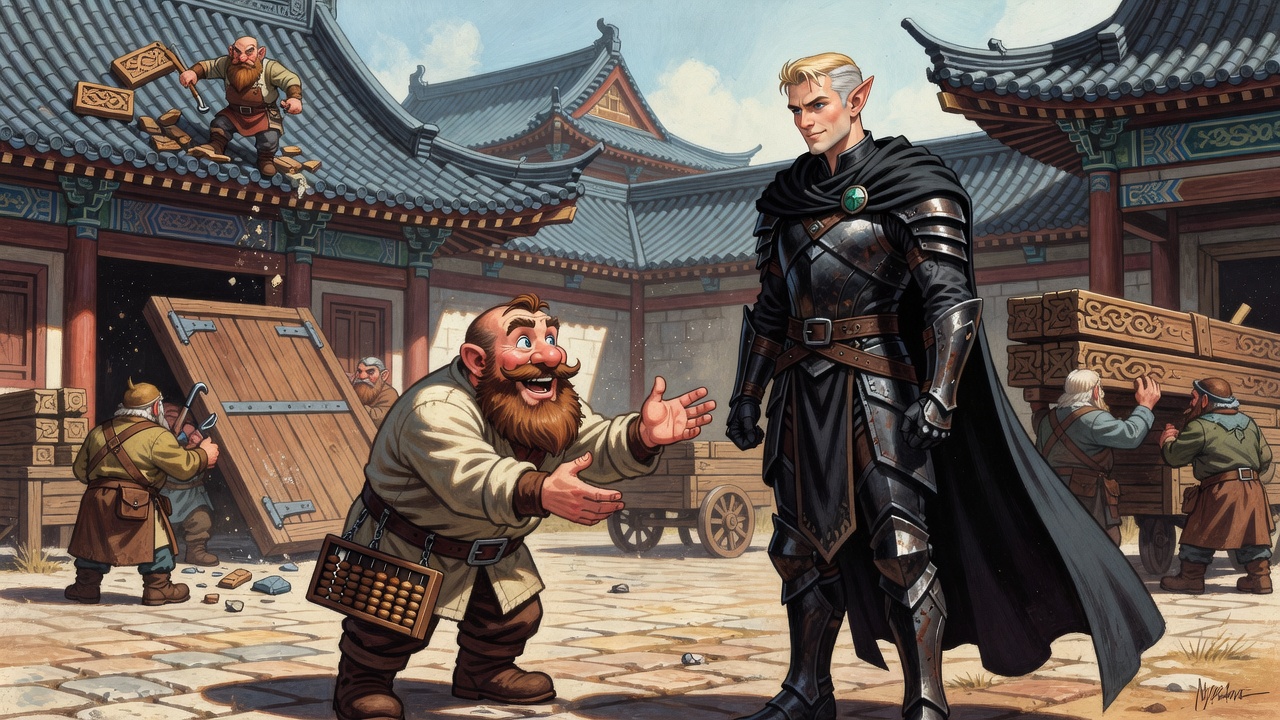
The raid storms the Shuifong castle and frees several hundred slaves. The book doesn’t soften how it’s done. Max questions prisoners on the principle that everyone breaks under torture, and one reader sees his punishment of the slavers and Taali’s own revenge on Earth as the same thing, revenge on rapists; another objects to the book’s idea that anyone may punish an offender however he can. A dwarf entrepreneur offers a full looting service: three hundred specialists will strip the castle down to the lime between the stones in two hours, for ten per cent of the take.
Lolth’s debt surfaces somewhere in the raid, briefly. Max uses her blade at last, and its power frightens him for his own soul. At least one Chinese captive is sacrificed to her, and from him Max takes a level-300 combo, Angel’s Wings. Shuifong prisoners are also traded at some point to a rival Chinese faction, the Maoists, for an adamantine mirror. Other clans’ recruiters, the Veterans among them, skim off the best, and fewer than a quarter of the freed slaves join Max’s clan, the Children of the Night: about fifty fighters who had farmed Chinese dungeons without rest, slightly more crafters still afraid of open spaces, and a ten-strong band of Frontier rangers.
Glass on the Sand
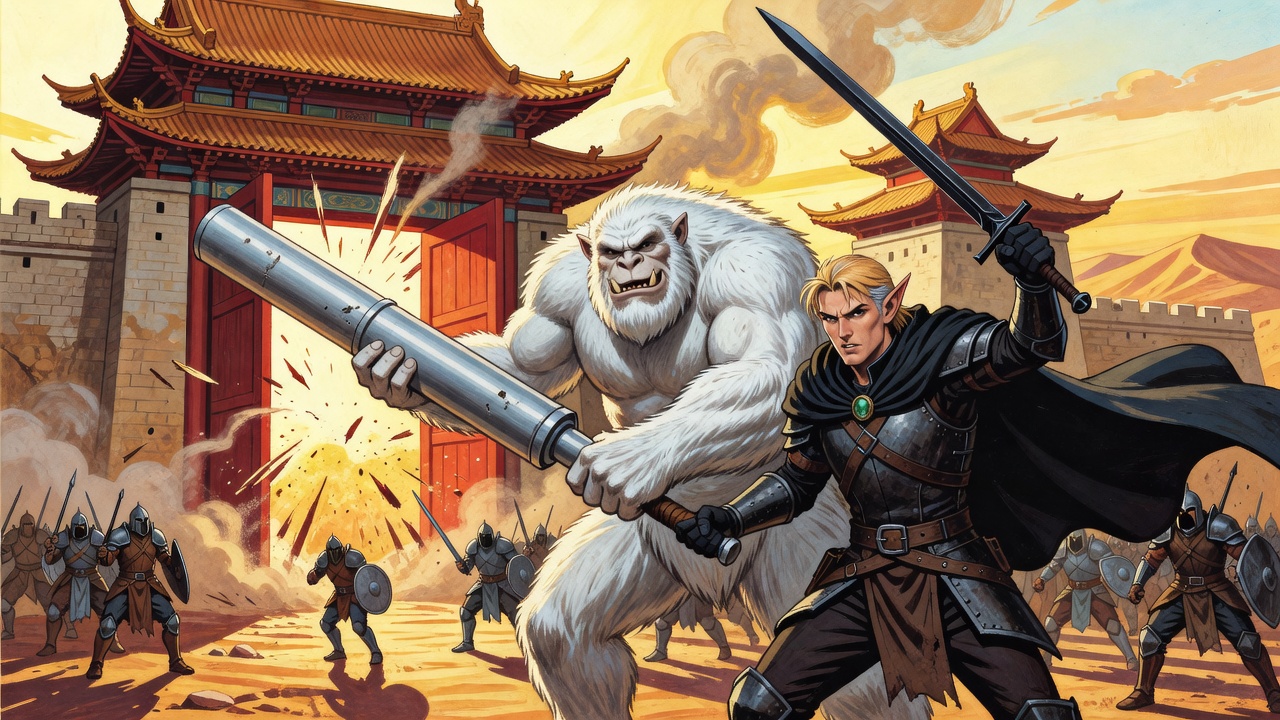
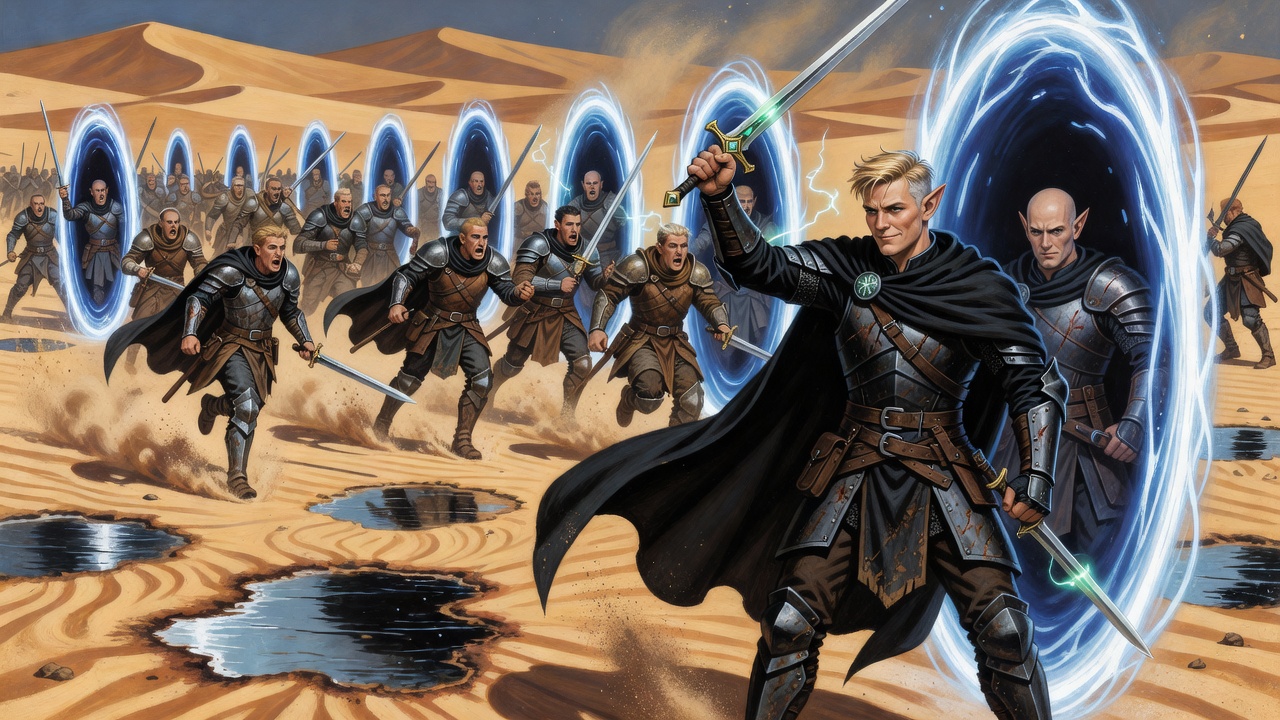
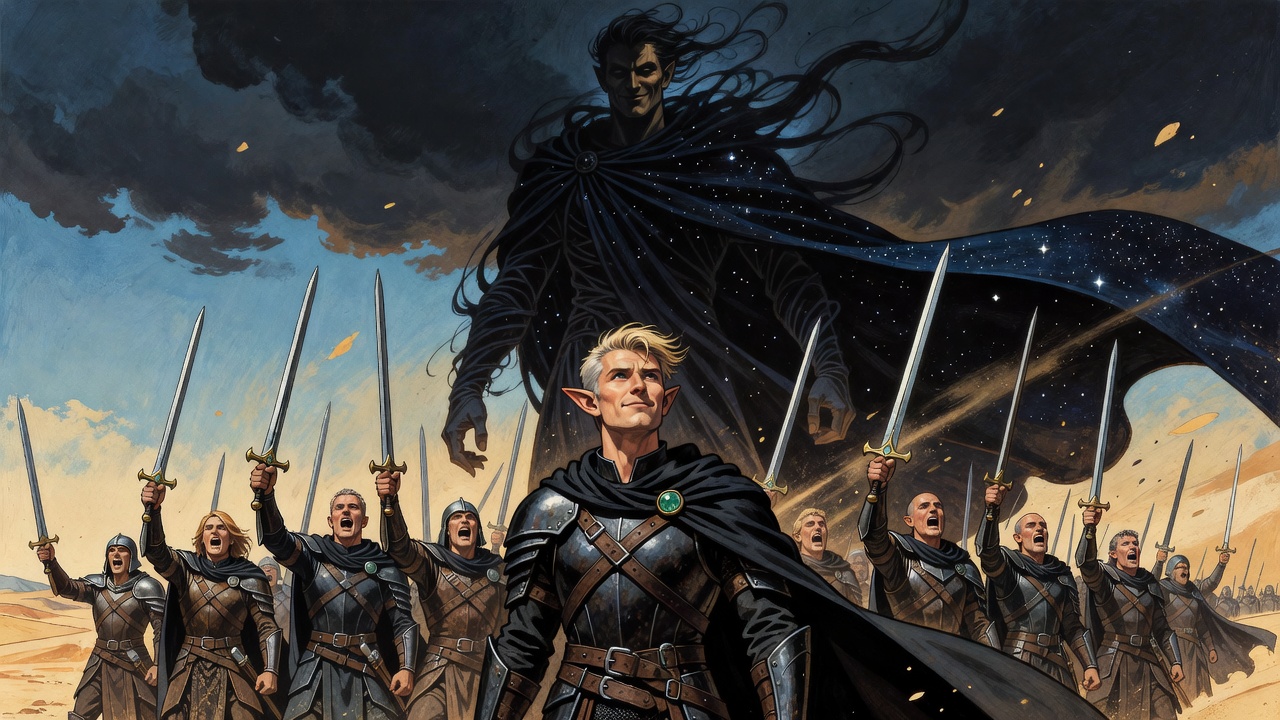
The Chinese answer with an army, and the war fills most of the book. Readers count two battles. The decisive fight is a pitched battle in open desert, not a siege, against an army about five times larger. The blurb promises armies:
“burning kilotons of mana, melting desert sands and hacking through impervious mithril armor”
Max wins with tactics built on portals, and reviewers still argue over whether veteran players would really have missed them. The Chinese field monks who reached level 300 by meditation. One reader singles out an episode with terracotta warriors as simply superb. When the war cry goes up calling God to their side, one reviewer reports, the god is with them in manifest form. At some point Bagheera leaps through a portal, and one reader feared for the cat until it came back. One borrowed saying could serve as the campaign’s motto:
“Rhinos have bad eyesight, but given their weight it’s not their problem”
The Chinese are humbled, and the raid turns back to its original goal.
The Lost City
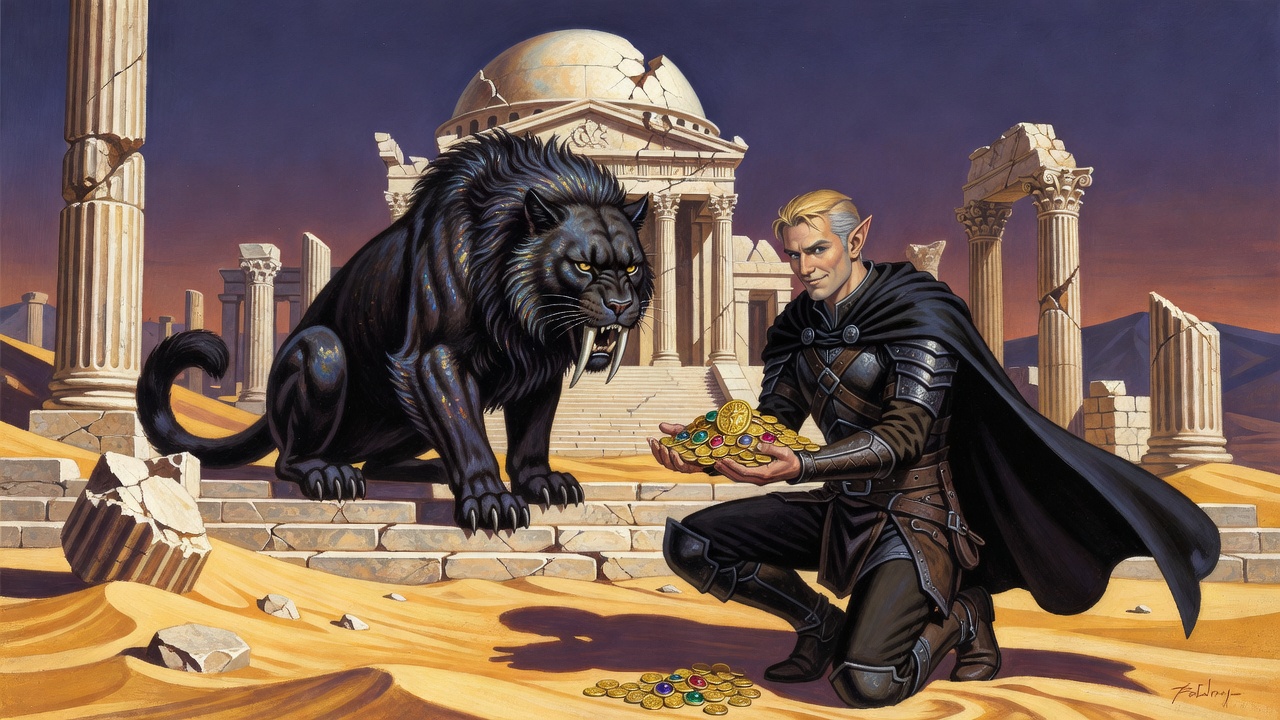
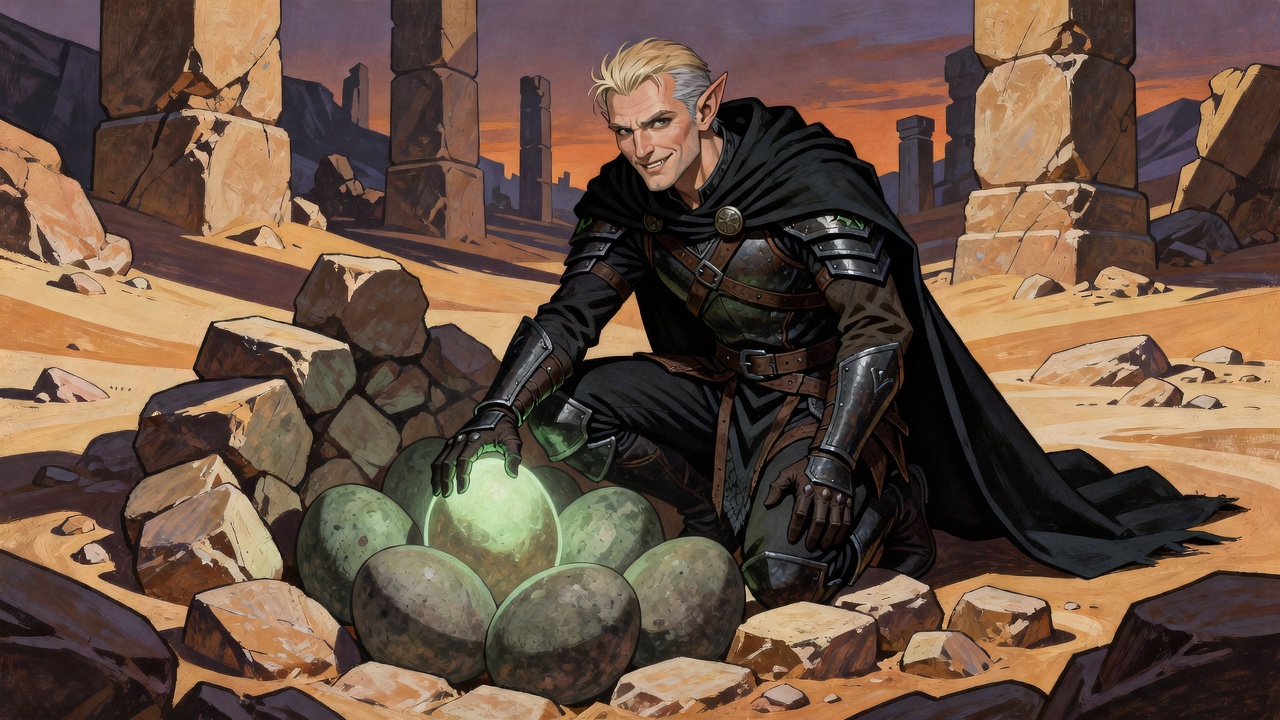
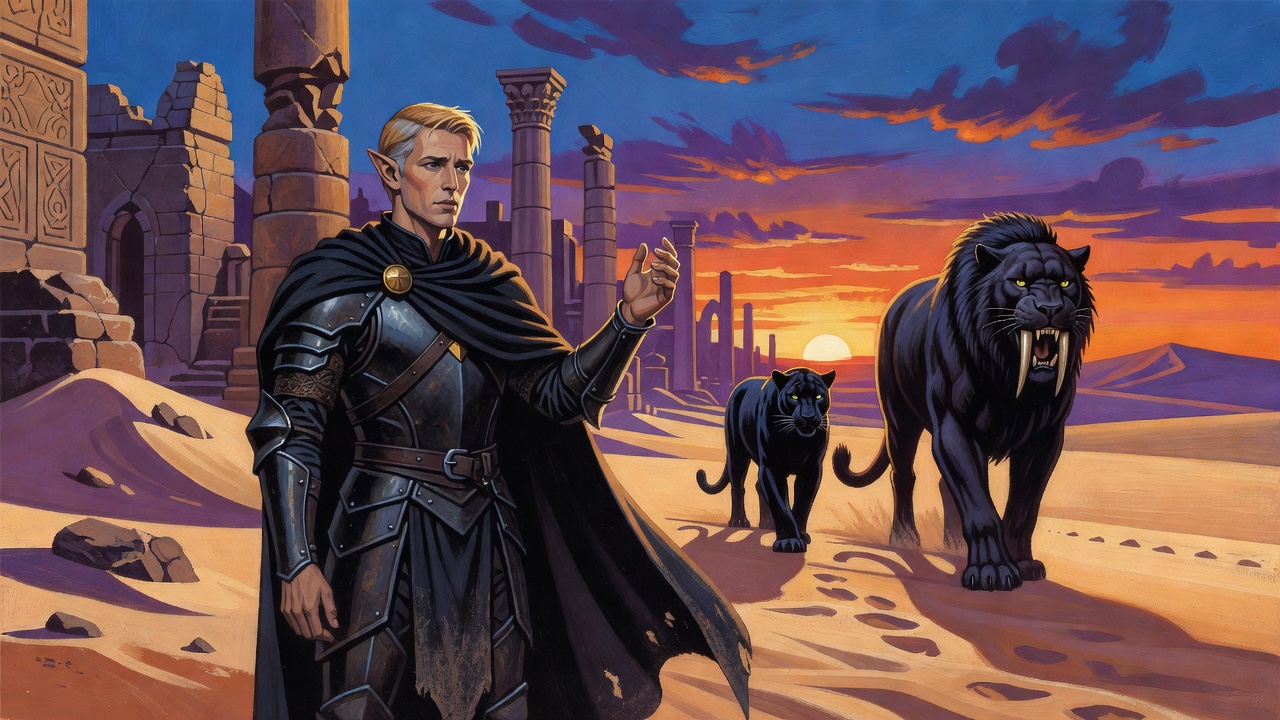
Czech readers complain that the destination is over in a couple of pages: the temple is cleared and the final boss falls fast. What Max takes away matters more than the fight. He comes home with two shards of a Temple Heart, a neutral power that can consecrate a temple to any pantheon. The first is coaxed from a shimmering beast, the sabre-toothed guardian of the city’s temple, which Max names and bribes with a generous gift. Bagheera leaves with the guardian, a parting one reader found sad but logical. Max finds a clutch of basilisk eggs and puts a brood-hen skill to work. The raid returns in triumph, and the Lost City’s monsters have put seven levels on Max, bringing him to about level 80.
The Paladin and the Princess
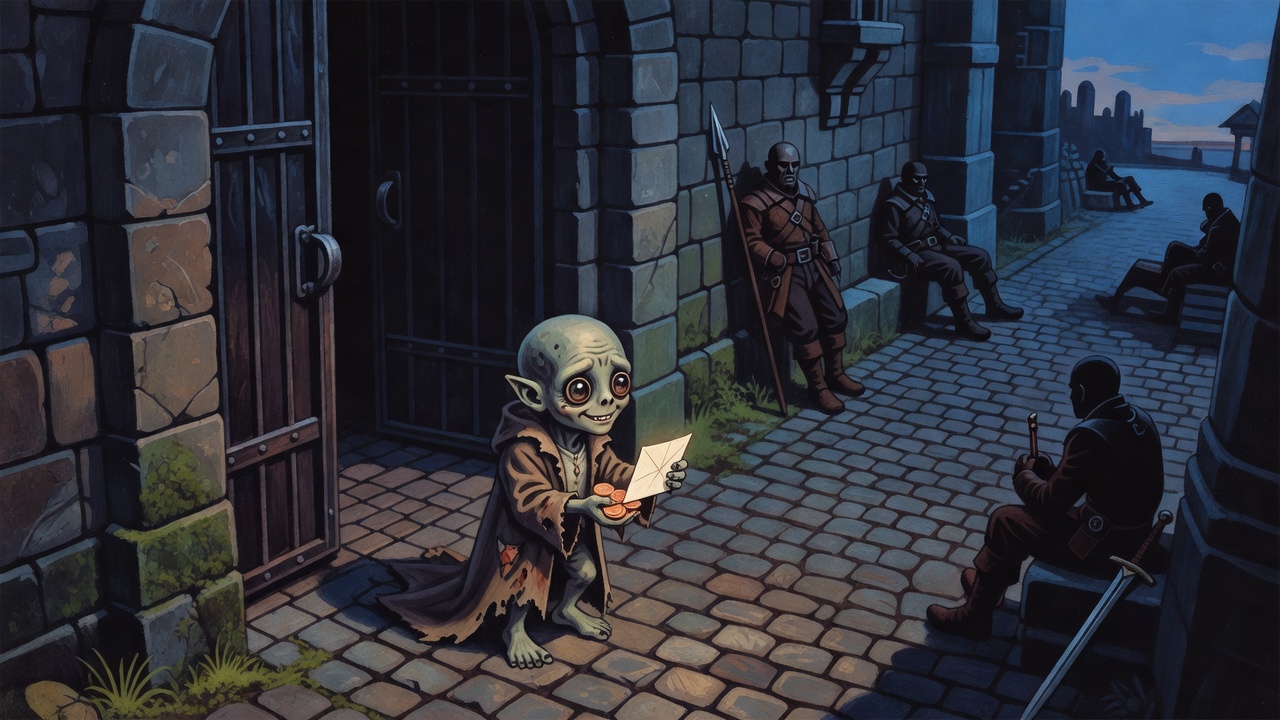
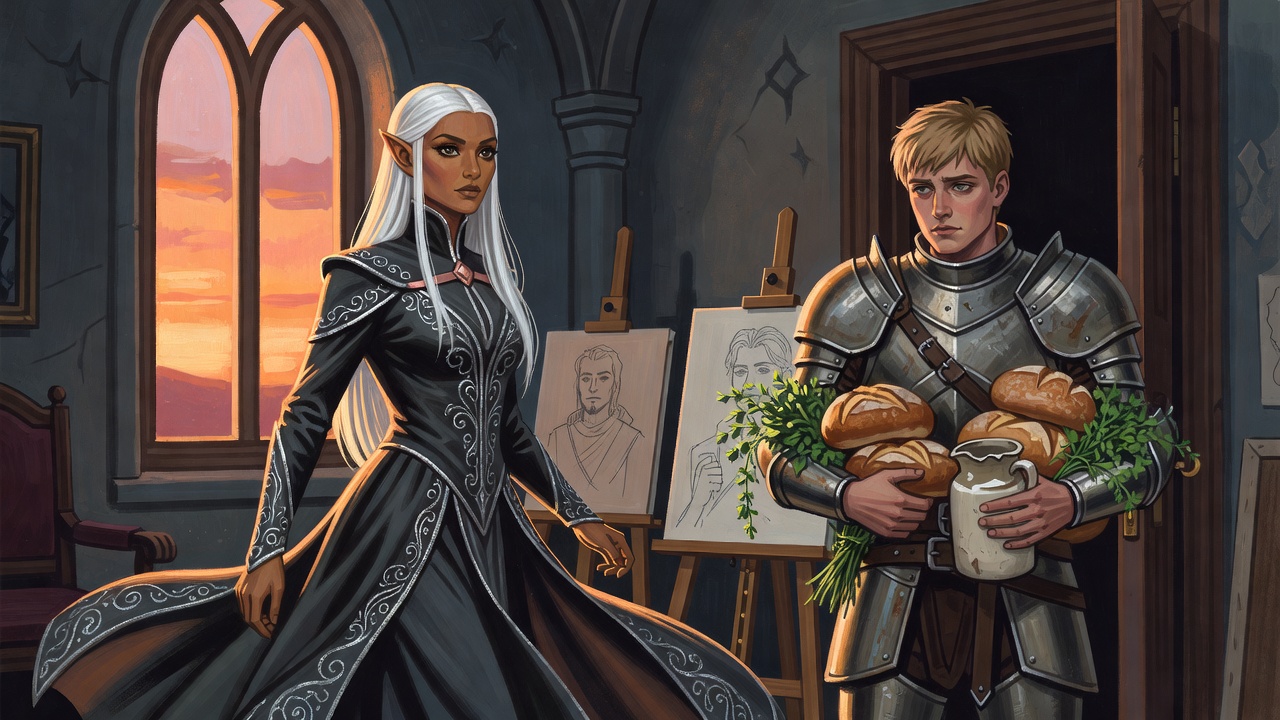
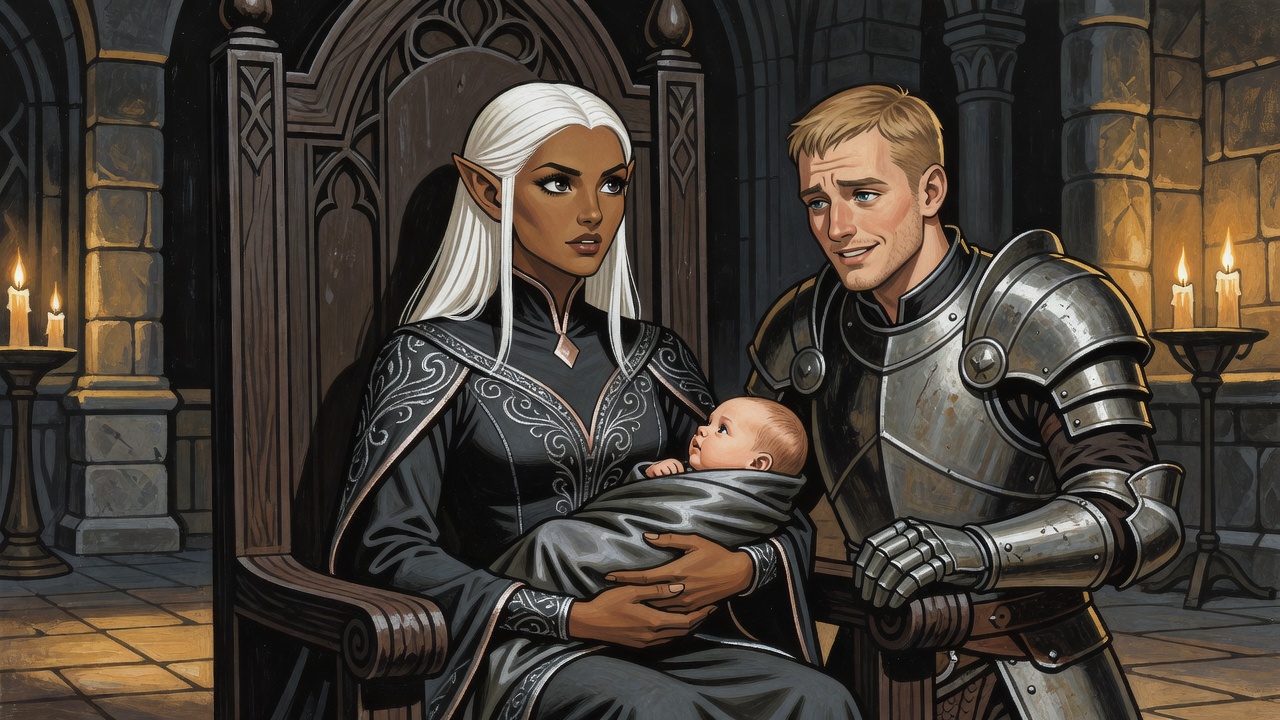
Separate chapters, told apart from Max, turn to Anunakh, a legend since Book I as the strongest paladin of the Russian cluster. The man behind the legend turns out to be Andrey, a young student, not the battle-hardened veteran readers pictured in Book I. He falls in love with Dana, princess of the Cursed House. She is a zombie drow, but apart from the Zombie tag in front of her name she could pass for any dark elf, and she paints portraits. The image readers carry away is a tiny zombie that keeps walking out of the castle with a few coins and a note asking someone to buy a little milk and bread, and the petty players who keep cutting it down. When Andrey, perma by now, finally comes to Dana with an armful of milk, bread and greens, she turns from a window at sunset and searches his face for contempt, hatred or disgust, and finds none. The publisher’s blurb sums up the book’s two milestones:
“The virtual world has seen its first birth — and its first death.”
The first birth is theirs: a son, Danunakh, the first child born in AlterWorld. A divine intervention makes the birth possible, and as a side effect it lifts his mother’s curse.
The Price
The blow lands outside the game. Tavor was one of Max’s Forest Cats captors in Book I. Now he is rich, insane and the son of one of the leaders of a powerful oligarchs’ clan, and he strikes at the people close to Max who have not yet gone perma. A quarrel from early in the series becomes something one reviewer calls insanely bloody, and Tavor turns even on his own father. Taali is murdered on Earth on his orders before she can cross over to Max. So is Olga, the young woman at the cryonics firm who first told Max about going perma. Max’s mother, as Tavor himself admits in Inferno, slips through his fingers.
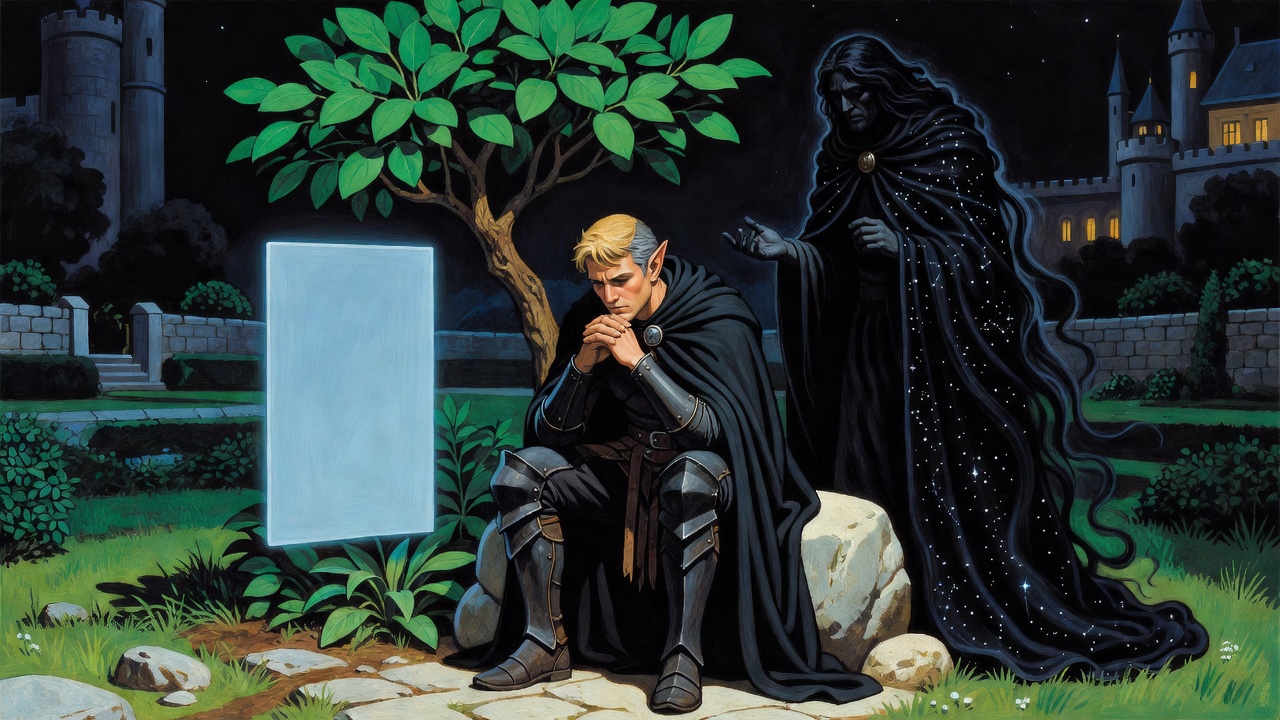
Max breaks. He doubts himself, he regrets, and not even the Fallen One can help. What brings him back is a purpose: the dying children Doc brings from his hospice. The first of them goes perma, a huge hope in one reader’s eyes, and the book closes on the idea of building the clan from them, since terminally ill children can reshape AlterWorld’s reality more than anyone. The two worlds keep drifting apart. A hologram shows blue Earth and yellow-spotted AlterWorld pulling away from each other, the cord between them stretched taut. Virtual gold reaches the real world, and by one reader’s account a goblin from AlterWorld turns up on Red Square. When Inferno opens two weeks later, Taali has a crypt with a carved golden roof in the castle garden, Max’s mother is a black-haired elf teaching the children, and Max’s eyes have turned black.
The game in this book
- Lolth’s parole. Max’s soul stays sealed to her Dark Halls for a year, and any death in that year returns him there for good, with one exception: a single voluntary death by Macaria’s Blessed Death. He has a month to kill the Bright-Faced One’s Patriarch with her spider-blade. That Patriarch’s curse is reason enough: it cuts Max’s mana regeneration by 90 per cent in sunlight for as long as the Patriarch or his god lives. In the Halls themselves pain is heightened and death impossible; the health bar turns grey and freezes.
- The Fallen One’s amulet. A coin-sized medal of mithril, adamantine and divine flesh, burned into Max’s palm. When his health falls below critical it absorbs up to about 50,000 damage, once. It leaves a scar of the god’s emblem.
- A Place of Power. The boulder the Fallen One squashed into a throne now gives +100% to all professions and +50% to the chance of a unique item.
- Money. Mithril worth about seven million gold, but under three million in cash and a castle-loan payment due. Max auctions the right to ordain priests of Macaria, a raid portal into Inferno, and Astral Mana Absorption scrolls that crack castle domes in seconds. The raid costs 150,000 gold a day for three hundred mercenaries (Max reckons it at fifteen thousand real dollars), plus porters who carry two or three tonnes each and an unkillable treasurer who carries the gold.
- Faith is mana. Some six thousand blessed deaths an hour pour mana in from Asia, and the Chinese have summoned their own Jade Emperor. Fewer than two per cent of fifty million characters are perma, but because they never log off they are seven to ten per cent of the world at any moment; the NPCs, ten times as many, are coming alive too, and the cord to Earth is thinning.
- New skills and loot. Angel’s Wings, a level-300 combo taken from a Chinese captive sacrificed to Lolth; a brood-hen skill for basilisk eggs; two shards of a Temple Heart, neutral, able to consecrate a temple to any pantheon. Max gains seven levels in the Lost City and reaches about 80.
- Fewer numbers. Readers note that the stats-and-levels side of the series fades in this book (one misses the levelling and gear), and, as Inferno remarks of this raid, killing other players earns no experience. System messages still punctuate scenes, but the book is mostly logistics, war and grief.
Continuity notes
- Max / Laith: out of Lolth’s Halls on a year’s parole, with the Fallen One’s emblem scarred into his palm. He ends the book about level 80, holding shards of a Temple Heart, in grief, and with Doc’s children as his reason to go on. By Inferno’s first chapter his eyes have turned black.
- Lolth’s debt: still unpaid. The Patriarch of the Bright-Faced One is still alive when Inferno opens.
- Taali: on her way to Moscow after her revenge when the book opens; murdered on Earth on Tavor’s orders at its end. Inferno opens with her crypt, golden-roofed, in the castle garden.
- Olga: the young woman from the cryonics firm in Book I; killed on Tavor’s orders. Max is sent the news in Inferno’s fourth chapter, ten days after the raid.
- Tavor: at large, rich, the son of one of the leaders of an oligarchs’ clan (the Olders in Russian), who has turned on his own father; his next move comes in Inferno.
- Max’s mother: in the real world at the start. Tavor’s people go after her too, and she slips away (his own taunt in Inferno). By Inferno’s first page, two weeks on, she is a black-haired elf growing younger at the castle; the author-site wiki says Taali’s death left her bedridden with a nervous breakdown.
- Bagheera: regained during the book (when is not settled), then gone with the Lost City’s sabre-toothed guardian; the two cats return in Book VI.
- The clan: now includes freed slaves (fighters, crafters, Frontier rangers), and the first of Doc’s hospice children has gone perma; by Inferno they all have. Shuifong prisoners were traded to the Maoists for an adamantine mirror, which matters in Inferno.
- Anunakh and Dana: married, with a son, Danunakh, the first child born in AlterWorld. In Inferno Anunakh is a Dark Paladin and prince of the Cursed House, and Max’s ally.
Notes
- Names. The English edition renames much of the cast. This page uses the English forms where research confirmed them: Max (Russian Gleb), Laith, Taali (Tanya), Olga, the Fallen One, Lolth, Aule, Tavor, Bagheera; Cryl (Kirill) and Humungus come through the German edition, which was translated from the English, as does the castle’s white thief, Cheburashka in Russian and “Pooh the Bear” in English. Other names (Macaria, Lena, Umka, Zena, Oksana, Anunakh, Andrey, Dana, Danunakh, Durin, Barrymore, Thror, Dasha and Kosha, the Shuifong, the Maoists, the Bright-Faced One, City of Light, the Lost City, the Children of the Night) are transliterations or glosses from the Russian, and the English text may spell them differently. So are the names of skills, items and places in the first chapters (Highest and Humiliating Reverence, Blessed Death, Astral Mana Absorption, Stone Tears, Place of Power, Angel’s Wings, the Temple Heart): our glosses, not the translation’s wording.
- The two cats. In the Russian, Bagheera is a puma and the guardian Max names is Sabretooth. English readers know a panther called Bagheera and a sabre-toothed “Tigress”, and the English War (Book VI) swaps the two names. This page describes the guardian by what it is.
- How much is known. Chapters 1–3 and the start of 4 come from the publisher’s free Russian sample and are known in detail. Everything after the cave comes from reviews, reader-saved lines, the reader-built wiki on the author’s site and Inferno’s look back. The broad order (raid, runaway, castle, war, Lost City, Anunakh, the ending) is the reviewers’; the order within each stretch is not asserted here. The wiki places the first birth in chapter 15 and Andrey and Dana’s meeting in chapter 17, so the book shows the birth before it tells their story. It also puts Olga’s murder in this book, though Inferno shows Max first reading of it ten days after the raid.
- What readers argue about. Max’s ever-growing luck and his sudden genius as a general; Lolth’s debt barely touched; Taali’s death; and a strongly nationalist tone, with one-sided Chinese villains, which Russian, Czech and English readers all object to. The national framing here is the characters’, not the companion’s.
- Read alongside. Call of Duty, Doc’s own story of how he brought the dying children into the game, is in the Stories collection.