Play to Live · Book IV · 2014 (English 2015)
Inferno
Two weeks after Taali’s death, Max buries his grief in work: a castle full of dying children made immortal, a smith-god to summon, and a raid into the demons’ own plane.
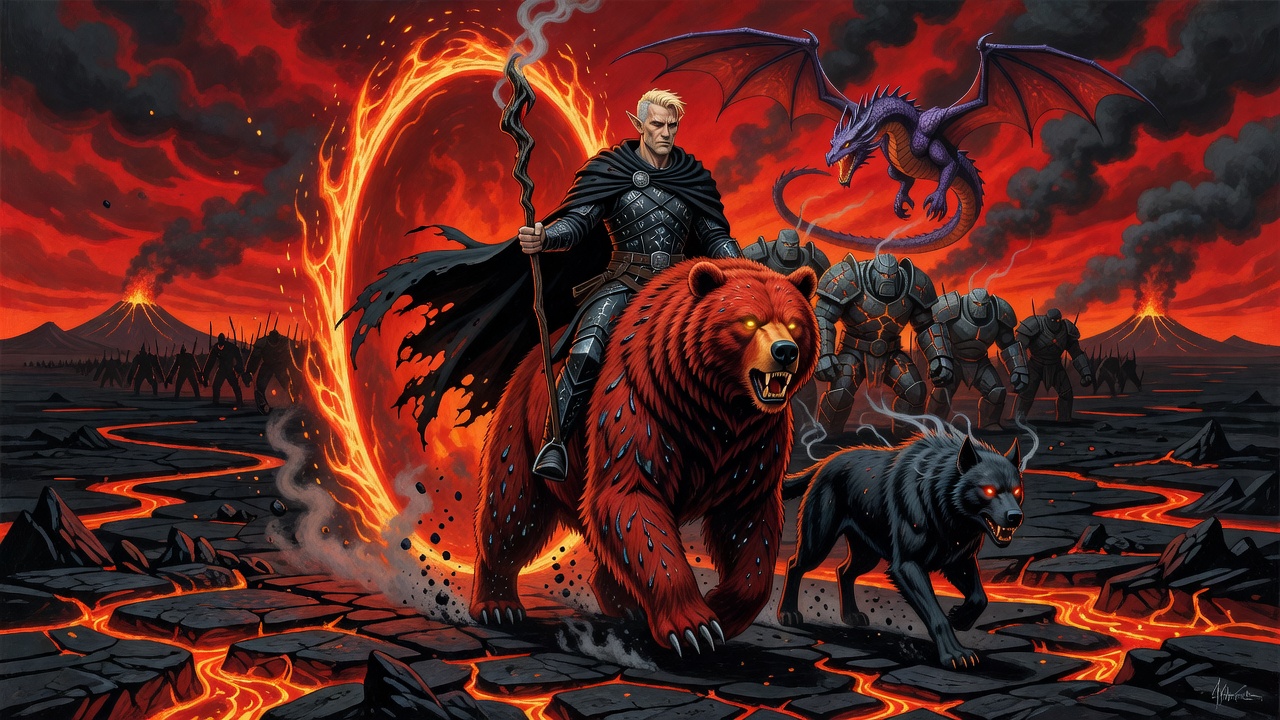
Inferno is the fourth of D. Rus’s nine Play to Live novels: published in Russian by Eksmo in March 2014 and in English on Kindle in June 2015, at about 205 pages the shortest of the series so far, read on audio by Michael Goldstrom. “The fabric of reality is bursting at the seams,” says the English blurb, and “The gnolls’ negotiators are knocking at the gates of the Kremlin.” Inside, the seams split in AlterWorld first: belief summons real gods and real demons, and the dying children of a hospice on Earth turn out to be the strongest cheaters the game has ever seen.
It is still Max’s story in his own wry first person: Laith, high elf, death knight, First Priest of the Fallen One, two weeks after Taali’s murder closed The Duty. The grief is there, but mostly as fuel. He runs a castle, an alliance and a school, summons a god for the dwarves, rescues a besieged fellow player, and takes fifteen hundred fighters into a plane of demons, admitting all the while, “I had yet to learn a leader’s skill, to give orders and control their execution.” Italic inserts from elsewhere (a spy’s report, a god’s private rooms, a Korean raid, a hired man at work in a capsule) open many chapters.
The long-promised battle for the First Temple still has not come; it waits for Books 5 and 6. But Inferno sets out its pieces: a smith-god, a demon ally, a ring to summon him, and the status Max earns in its last pages, Personal Enemy of God.
Two Weeks After
The book opens on an intercepted echo of AlterWorld’s infosphere, an unseen spy reporting to the Bright-Faced One, senior god of the Light pantheon. Then Max takes over, two weeks after Taali’s death, filling every hour to live with the loss.
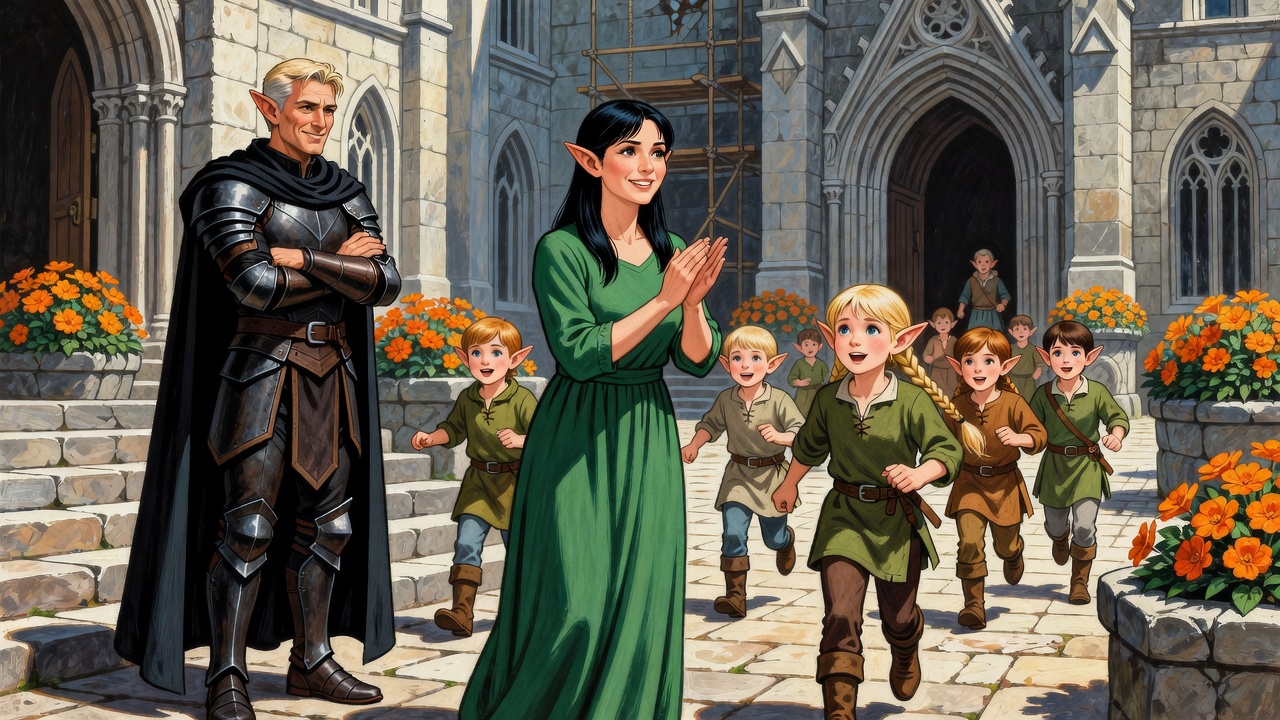
The castle has become a school. Max’s mother, who has followed him into the game for good, is now a black-haired elf growing younger by the week, and teaches the clan’s children; she claps her hands in the flagstoned courtyard and a stampede led by the tomboy Lena runs back to lessons. Max counts seventy-two children whose lives hang on him, and knows the First Temple’s protection is running out. Leadership is changing him: broader shoulders, a baron’s instincts eyeing a duke’s crown, and eyes unexpectedly turned black, a stare even the clan’s Alpha Hound cannot hold; it rolls over and bares its belly.
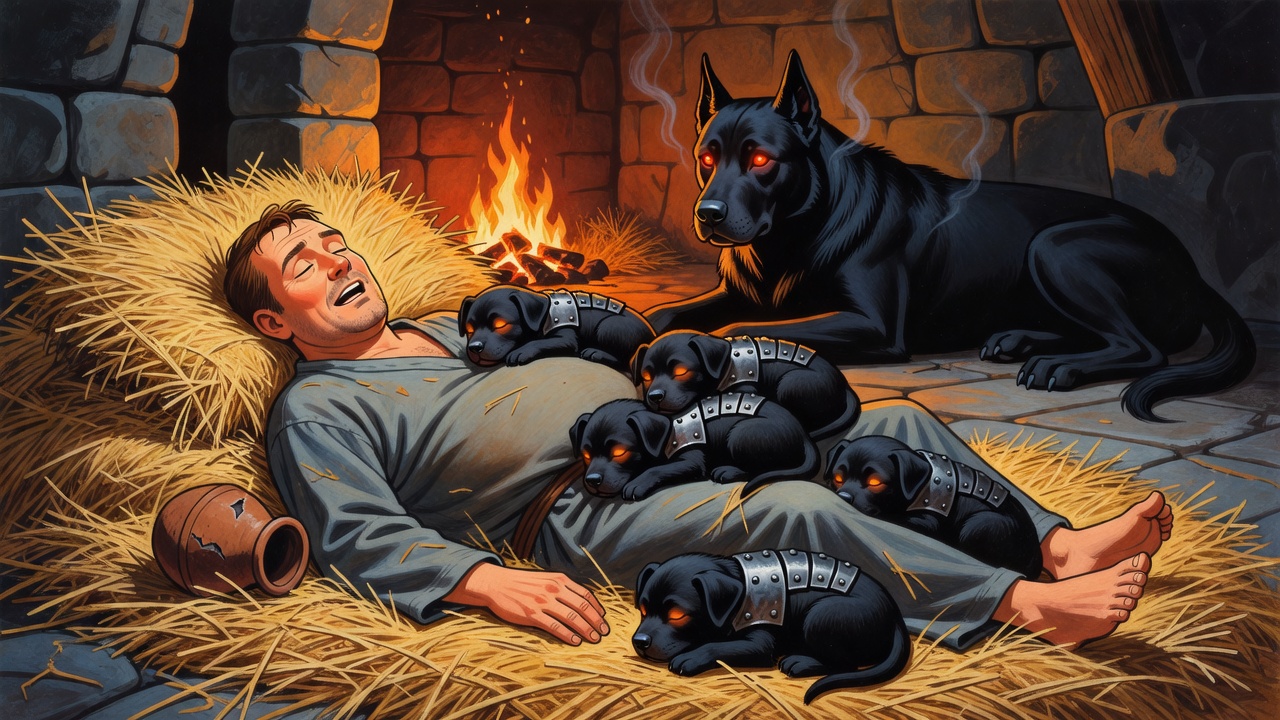
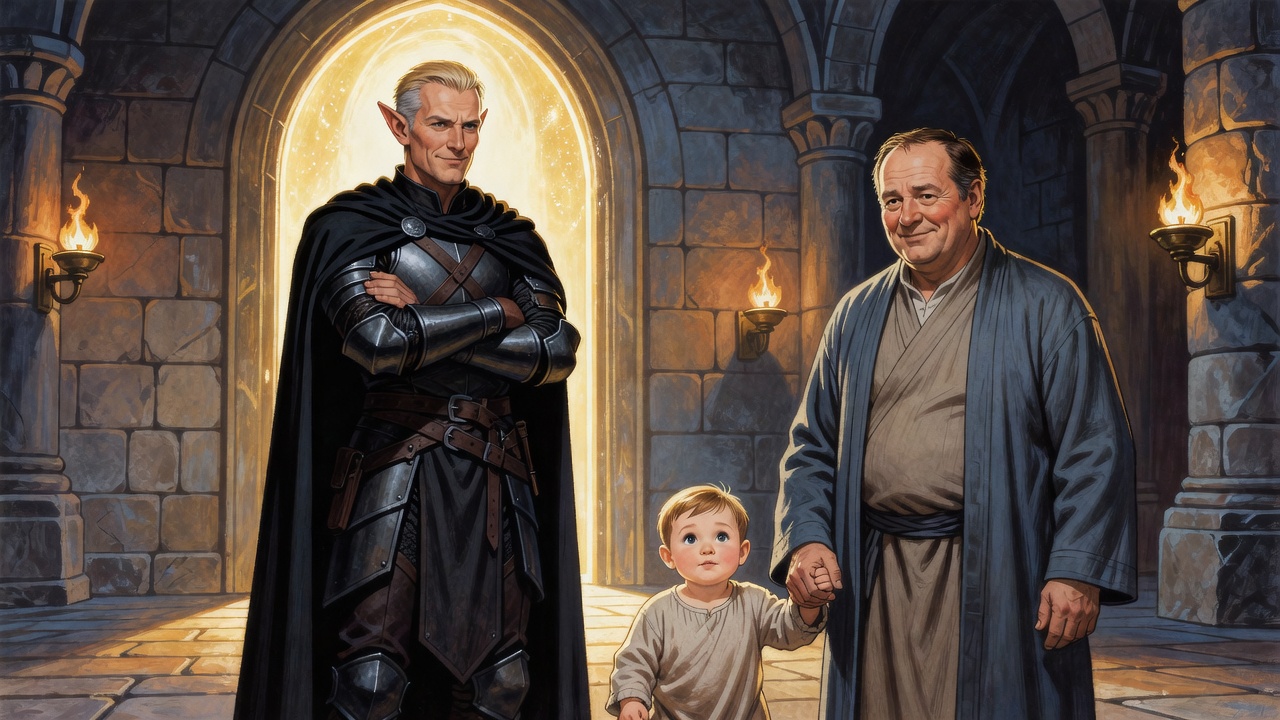
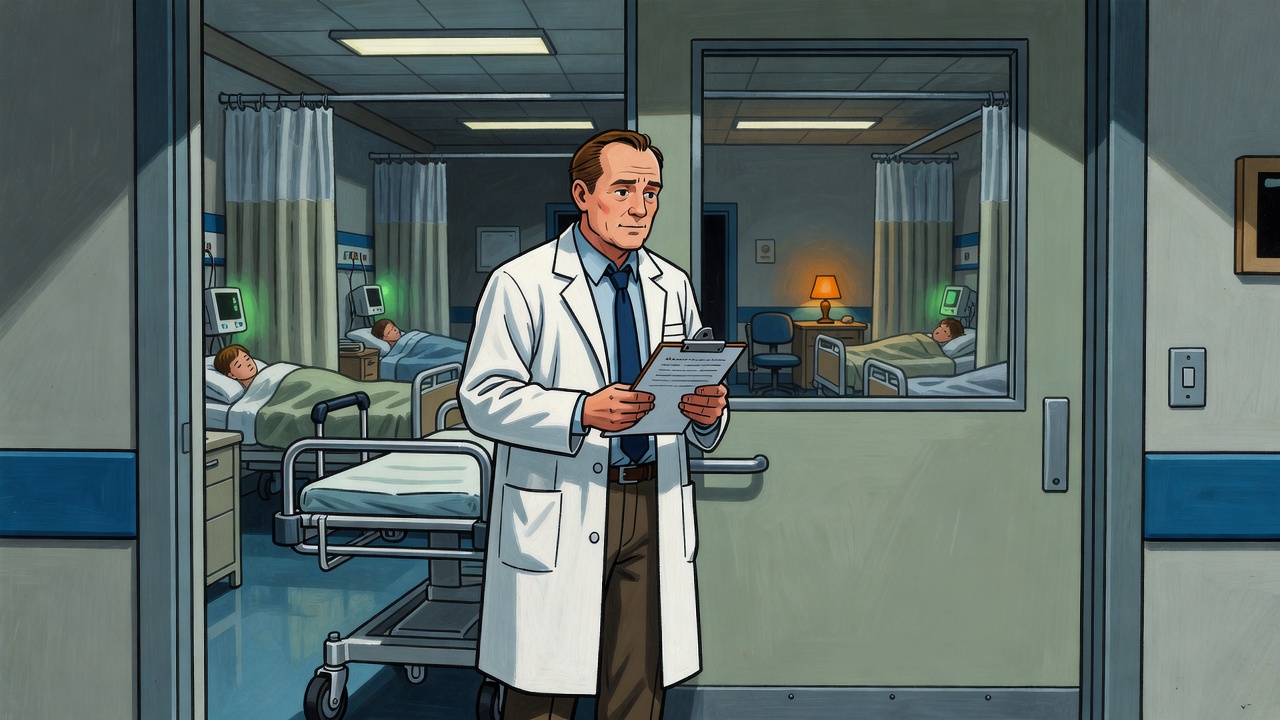
The children are Doc’s. Lena’s father, chief physician of a children’s hospice, has been bringing his terminally ill patients into AlterWorld, and since freckled five-year-old Masha crossed over, all of them have gone perma. Doc celebrated by getting blind drunk; anonymous screenshots show him asleep in the hounds’ den under a heap of armoured pups. After eighteen hours in the capsule, risking perma himself, he is roused; Max greets him with a cheerful welcome to eternity, Doc goes pale and logs out, and three hours later he is opening a new portal straight from the human starting zone, Birch Nursery. Max means to stop the transfers until the future is clearer, since the children could become hostages in the coming fight, and gives way the moment a toddler steps through holding Doc’s finger. On Earth, Doc cannot hide the gurneys or the wards that slip into coma all at once, and he expects an inspection or an arrest.
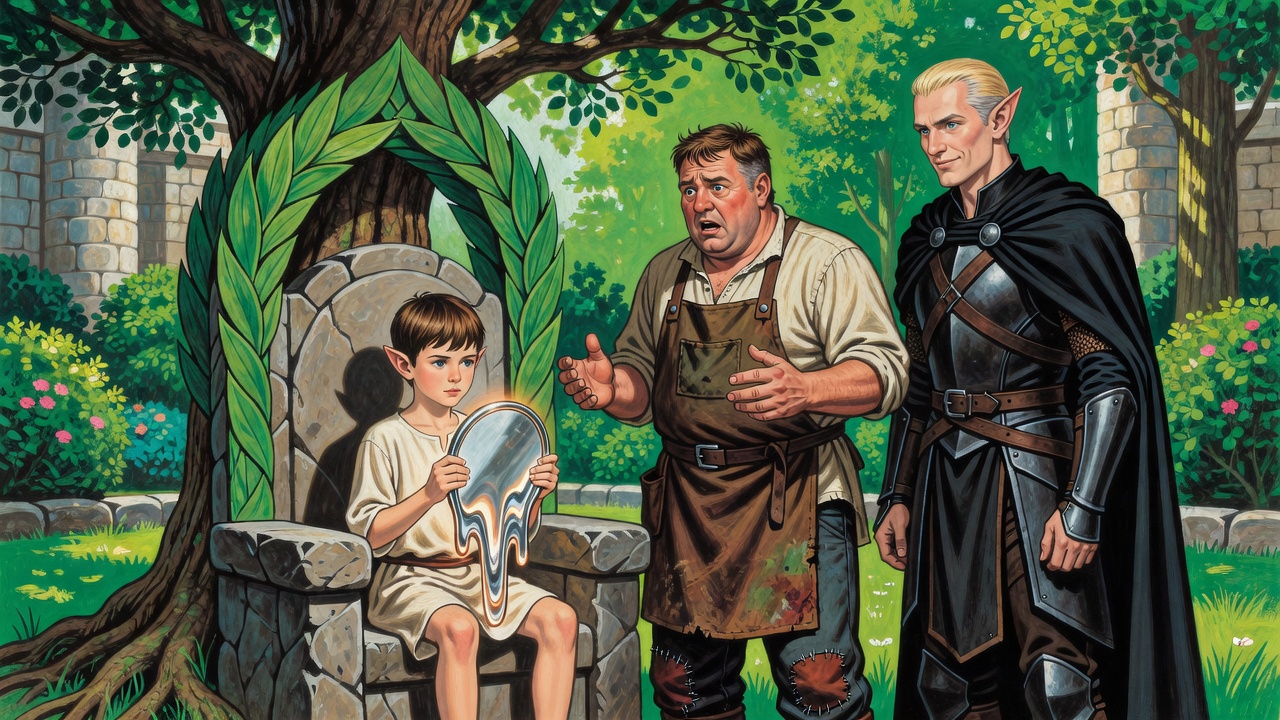
The children are also the game’s best cheaters. They drill with weapons their classes forbid until thin lightning scratches a cloudless sky. Masha floats down the keep wall on a unique ring of flight, a ruby of petrified god’s blood twisted onto a scrap of wire by Dimka, a quiet eight-year-old shaman. Max finds Dimka inside the garden’s young mellorn tree, sitting on the Fallen One’s stone throne, and has him warm an adamant mirror in his palms until it flows into a crooked three-edged spike. Max then makes the clan’s Belarusian golem-maker, Pribluda, fit it to the Staff of Hatred, a demon-souled weapon nobody was supposed to be able to modify. Another thread between AlterWorld and Earth snaps. In a corner of the garden a sunbeam strikes the gilded roof of Taali’s crypt, and Max has to turn away.
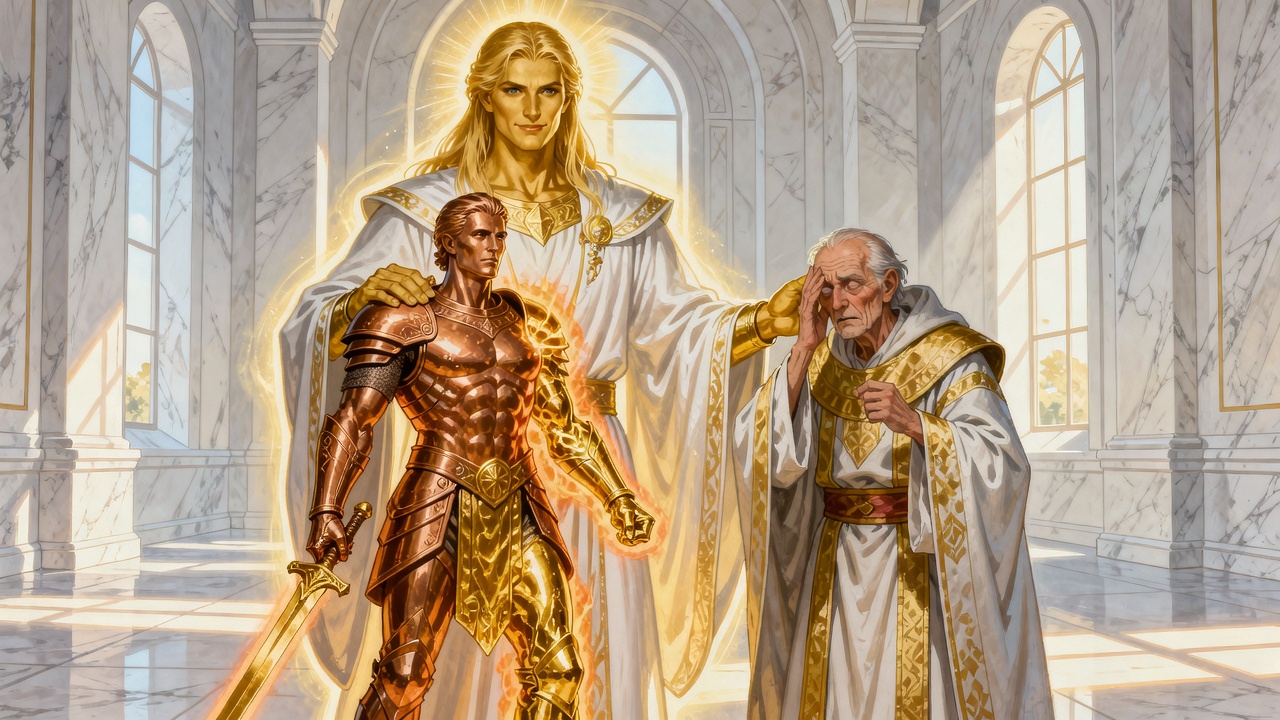
Chapter 2 opens in City of Light, in the Bright-Faced One’s private rooms. The god kills a junior priestess on his own altar and is delighted that she cannot be reborn; he means to try the same on players. He sneers at the Fallen One as an infant god, orders his Patriarch, a dried-up little old man with a whitish gaze, to raise an army with words, cunning and gold, and turns a copper statue into a ton of unstable gold to pay mercenaries. At home a hound digs up a hidden portal beacon, so every arrival now lands in a sealed concrete sphere deep underground. The Fallen One takes the whole alliance, the Guardians of the First Temple, under his patronage in return for an oath of loyalty; twelve members quit that day.
The Smith-God
In chapter 3 the price of the dwarves’ friendship comes due. Max shows the dwarf patriarch Thror a shard of the Temple Heart and demands the seven million gold and five hundred master craftsmen he was promised; the dwarves want the shard; the Fallen One settles it by appearing in his darkest guise. In the Valley of Fear the dwarves raise a three-rayed temple to an ancient plan, and in a niche under the altar, supposedly for mithril, Max hides a heavy aerial bomb, with two more under the other rays.
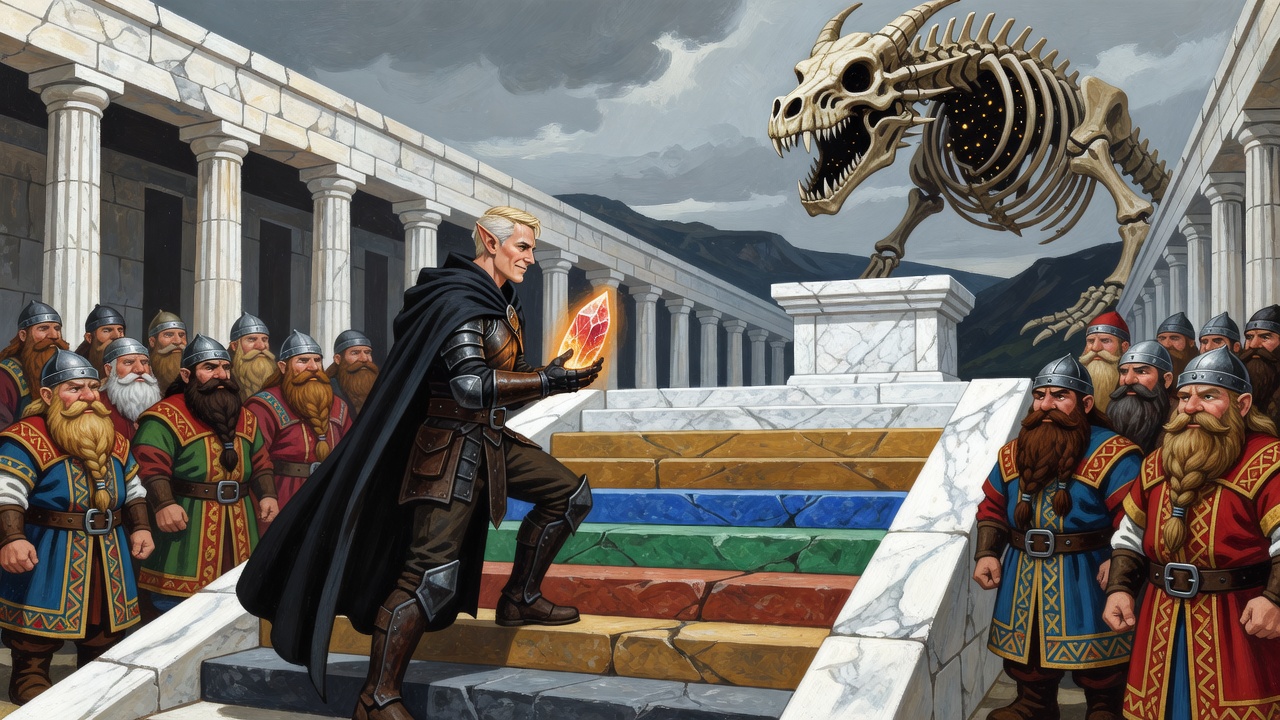
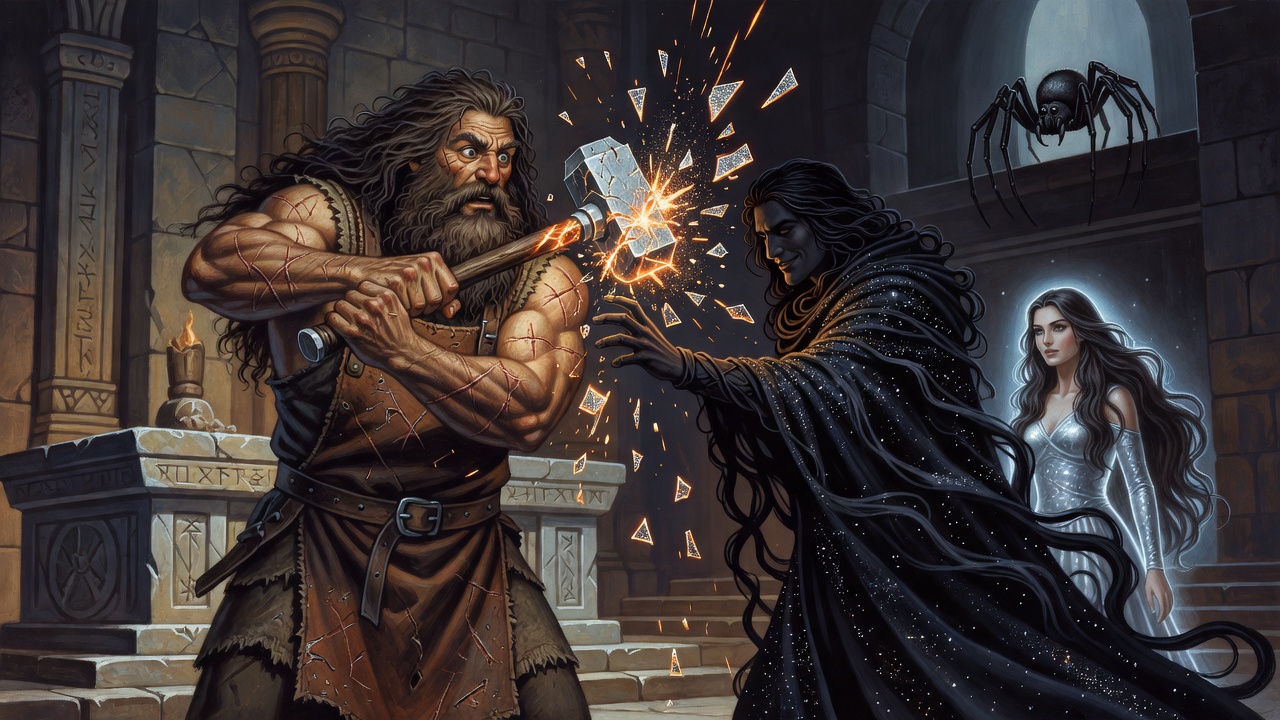
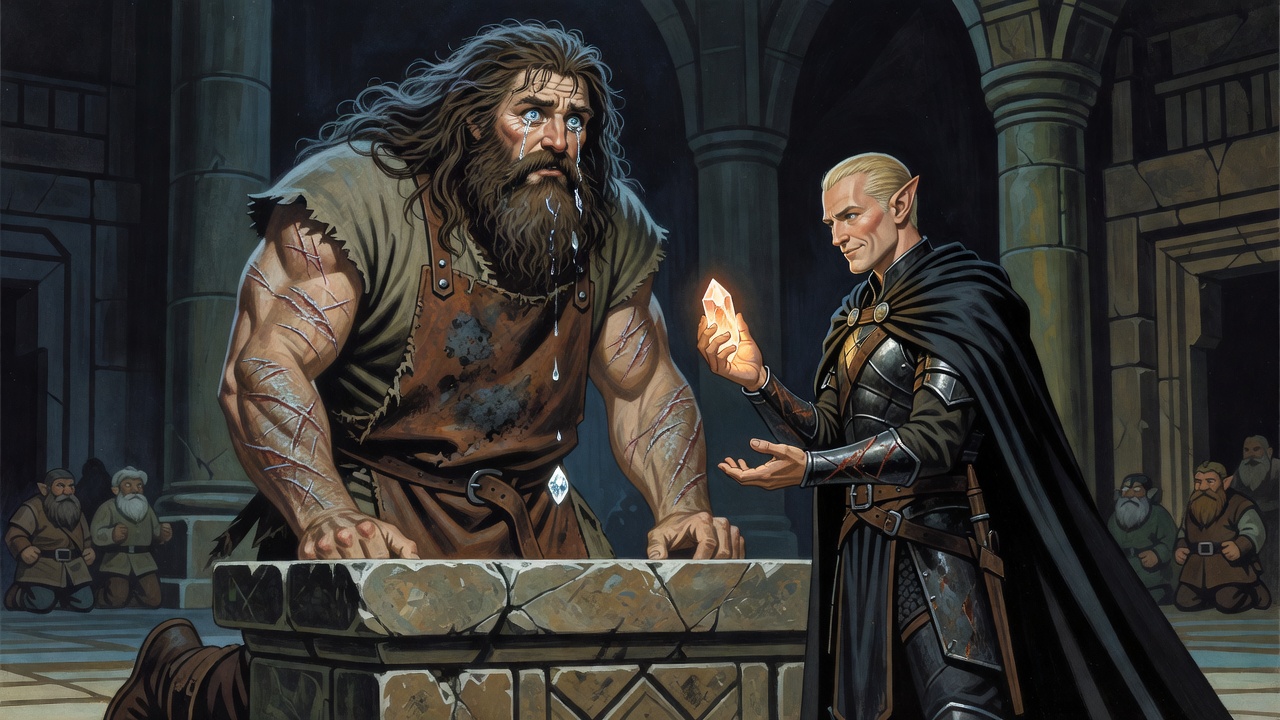
A week later the clan forms a square in the temple’s north ray, the bone dragon circling overhead, and Max climbs seven coloured steps through thousands of dwarves in holiday dress, lays the shard on the altar and calls Aule, Tolkien’s smith-god reborn in AlterWorld. Aule comes as a huge shaggy man with scarred arms and a giant hammer, sees that he has been summoned to the Dark, and swings at Max’s head. Umka, the albino troll who guards Max, takes the blow on his club, a mithril tank barrel. Then the Fallen One arrives with Macaria, whose green wave restarts the hearts his voice has stopped, while a spider grins from a dark corner. He catches the hammer bare-handed, crushes it, knocks Aule down and lifts him by the throat: the time of the Last Battle has not yet come. Aule refuses to serve and begins to unmake himself, until Max shouts that he will summon Yavanna, Aule’s wife, and holds up a second shard. Asked how many of his fourteen lives they shared, the god whispers that it was only one. His tear falls as a gem, which Max pockets.
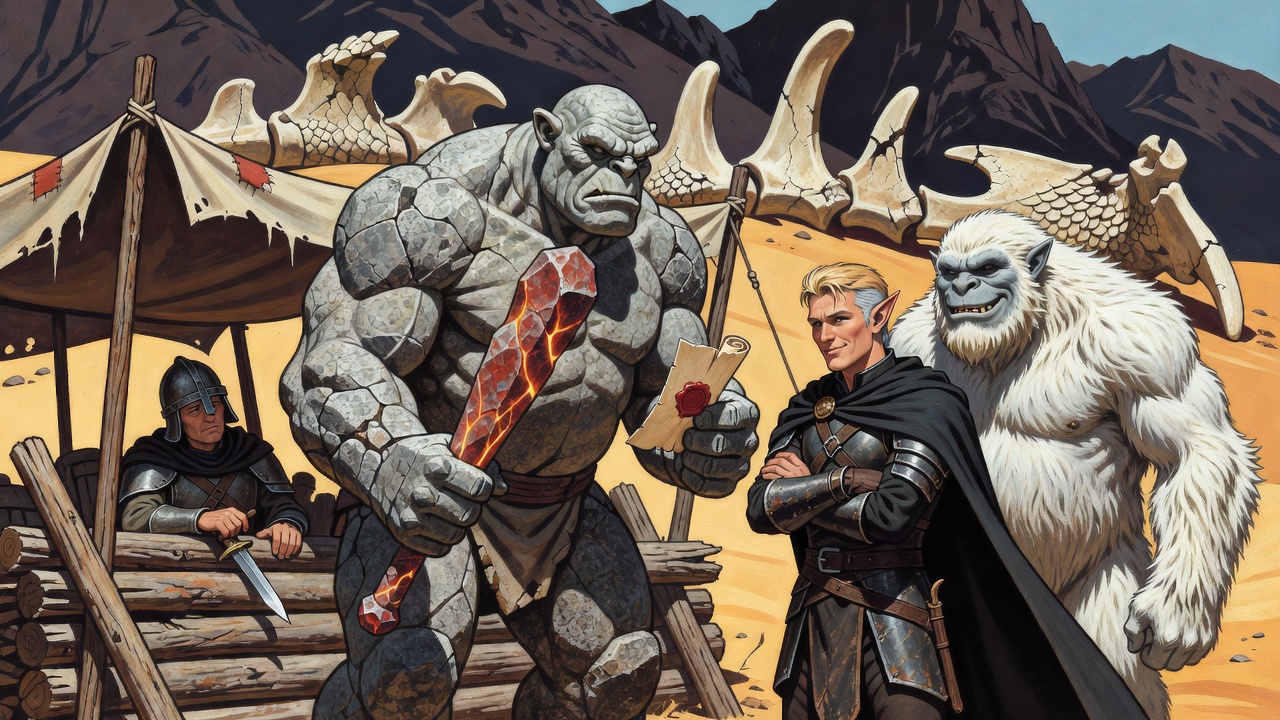
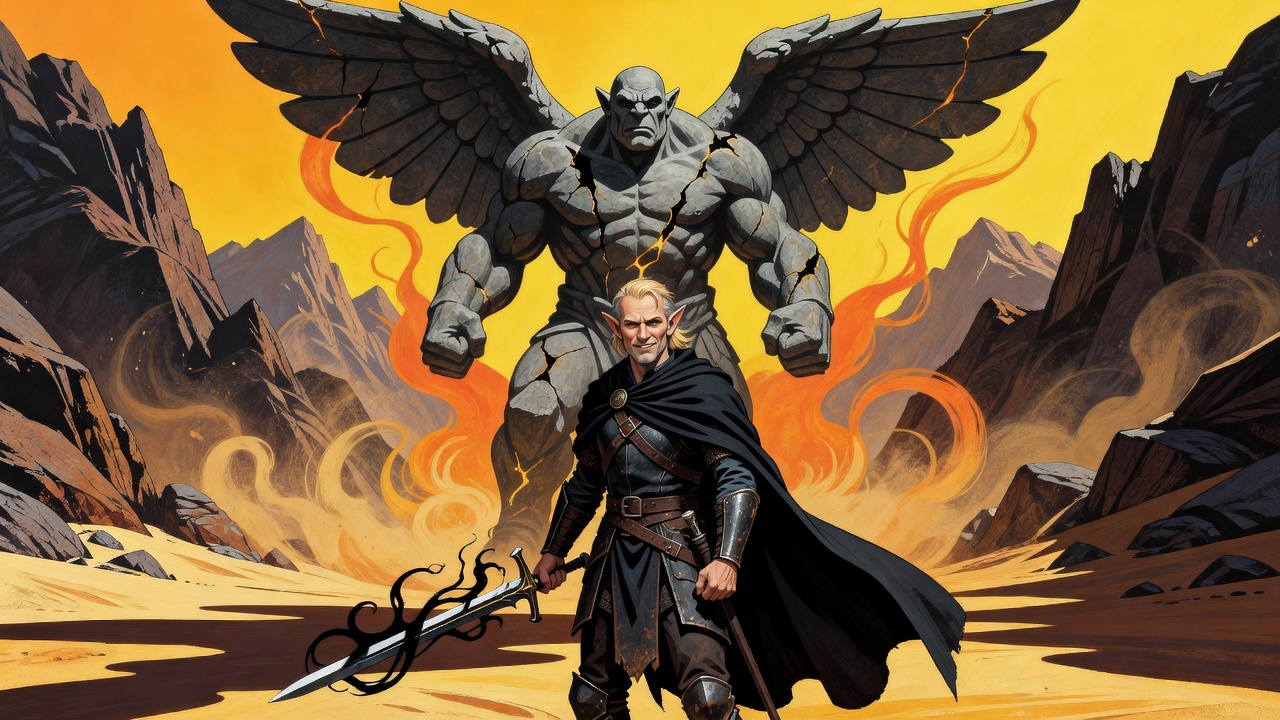
Chapter 4 steps back to ten days after the Frontier raid. At the Far Post, the pass into the Valley beside the fortress of the dead dragon Tianlun, a three-metre stone ogre arrives with a personal message for Laith. The parchment, sealed with an image of the Israeli rifle its sender is named after, is a news item about a cryonics-firm employee who became an involuntary client of her own company. Max goes white: it can only mean Olga, who worked for such a firm. An illusion of Tavor gloats that both girls are gone and that Max’s mother is within reach. The ogre’s first blow strips Max’s shields and half his life. Max answers with a borrowed two-handed sword and a level-300 combo, Angel’s Wings, wrapped in the Fallen One’s black power, and the ogre hardens into a winged statue.
Afterwards some five hundred dwarves settle the Valley, and Aule hammers day and night in giant forges behind his temple, making armour to meet his wife. Uneasy at a rival power in his valley, Max keeps the bomb and the First Priest’s right to unmake a summoned god.
The Cursed House
Chapter 5 opens on grim news from another virtual world, where a banking clan has locked seven million players inside as its serfs. Then Max takes a call from Anunakh, once the Russian sector’s strongest paladin, now a Dark Paladin and prince of the drow Cursed House through his marriage to the zombie princess Dana, mother of Danunakh, the first child born in AlterWorld. Anunakh’s own clan, the Light Bearers, has given him up to an alliance that wants his castle in the Nursery zone as a levelling ground, killing his wife and son over and over for loot. He holds it with two friends and three hundred mercenaries he can no longer pay.
Max calls a full alert, and the half-hour muster dissolves into farce: golems rolled out with excavator buckets still fitted, the lame goblin Timur bearing the Great Raid Altar like a standard. Max hires a hundred elite drow mercenaries he nicknames the Ear-cutters, mounts Humungus and leads the host through a cargo portal into the besiegers’ rear. Golems romp like armoured elephants, Umka hacks lanes and the bone dragon’s half-grown young spread terror, but the enemy has bought up Anunakh’s departing mercenaries, nine hundred in all. Then dwarves march out of a portal behind them, the Veterans arrive through another, and the scales hang level.
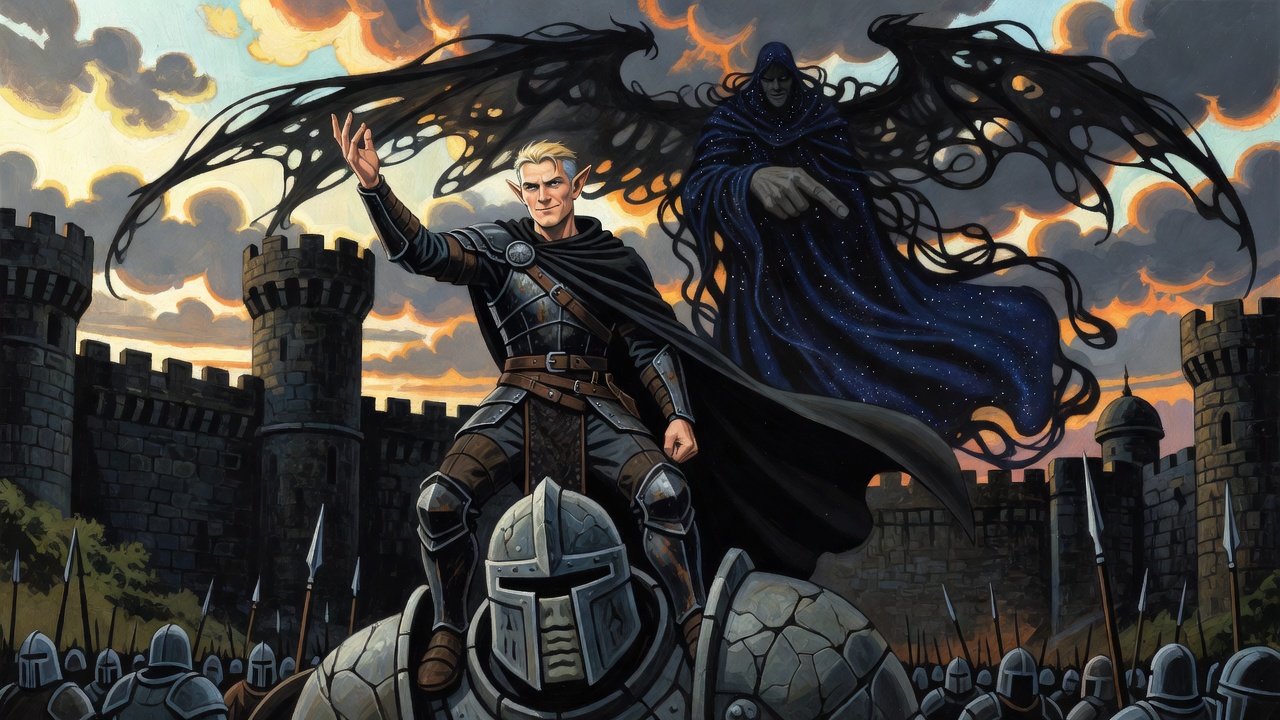
Max decides against a war between clans of his own cluster. He climbs onto an assault golem’s shoulders and, his voice amplified by the Fallen One, shames the attackers and, as the Fallen One’s First Priest, takes the Cursed House under his protection. A huge black wing sweeps over the castle, a Veil of Faith now curses anyone who attacks it, and a new bar appears in Max’s interface: Holiness. Kremen, the Light Bearers’ leader, accepts the mediation but tells Max to know his place, and Max answers with a miracle: ghostly black wings half the horizon wide, a giant Fallen One in the sky wagging a finger, and Kremen briefly turned to stone.
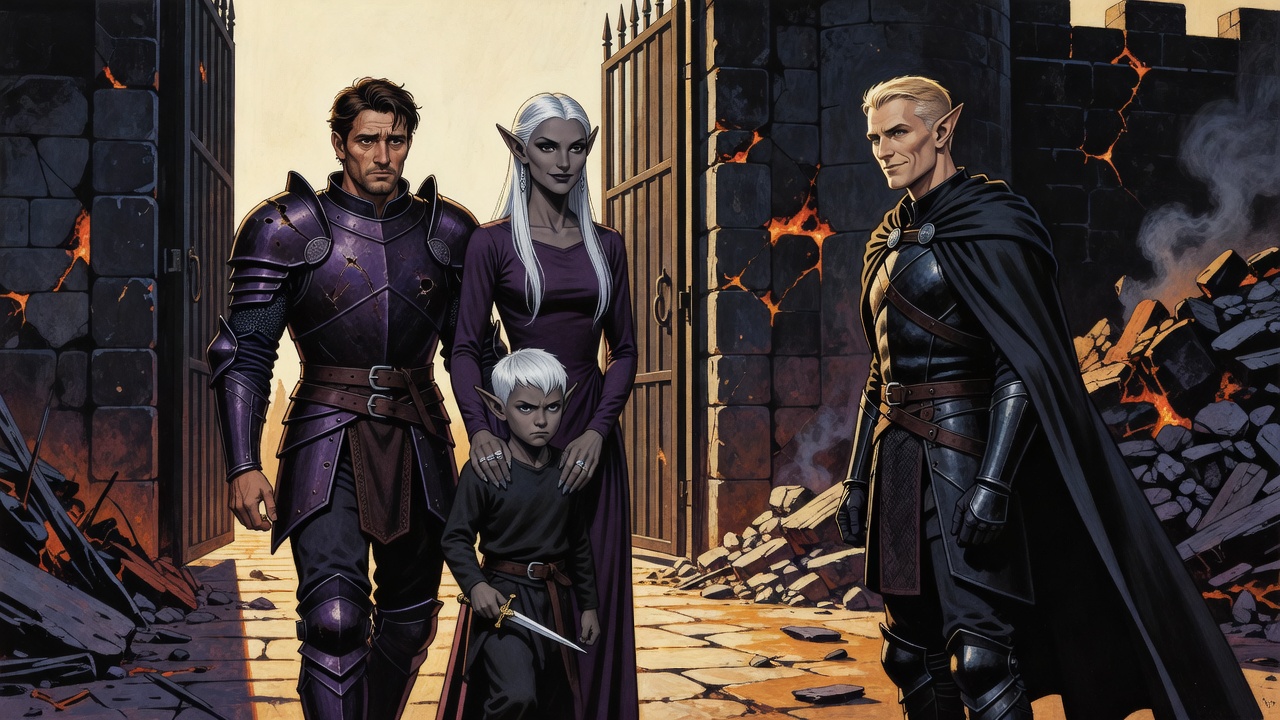
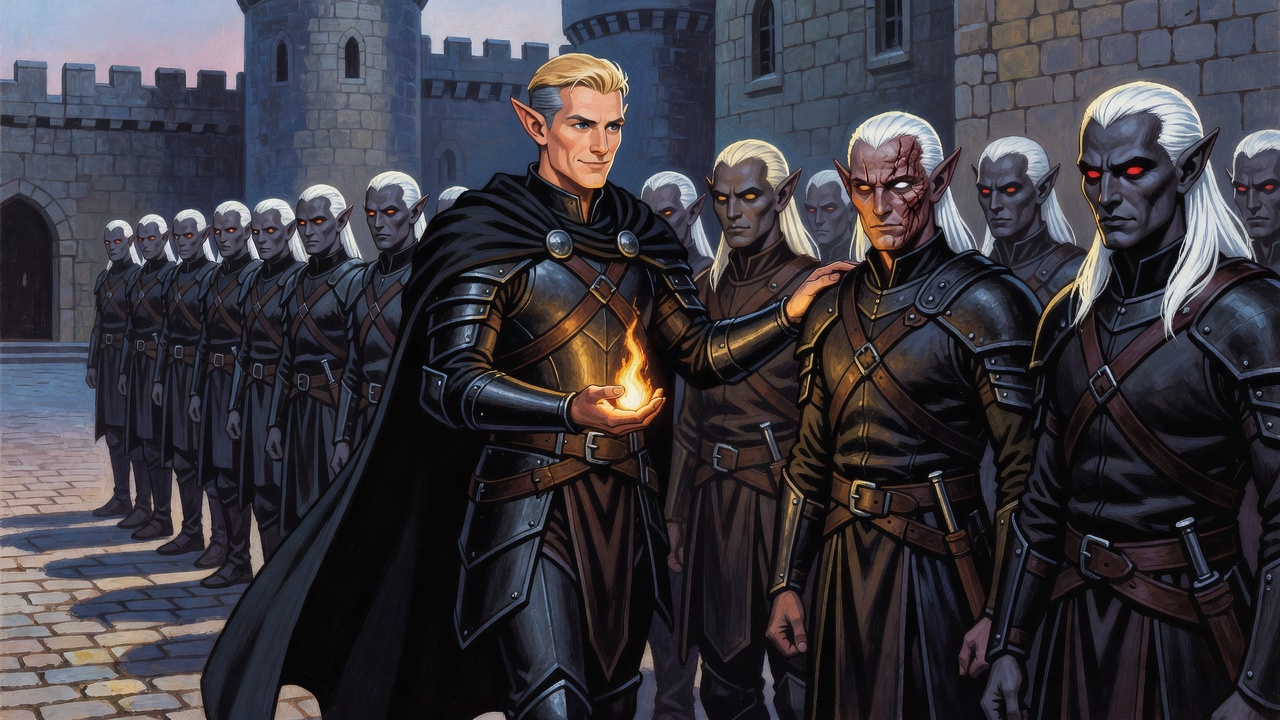
The siege breaks up. The castle’s mercenary commander Orkus, a huge scarred grey orc and a former colonel, joins Max’s clan with his berserkers. Anunakh walks out worn to the bone, with Dana in plain silver rings and a serious boy who looks about five and keeps stepping in front of his mother with a thin stiletto: Danunakh, who is 109 days old. Alone, Max thinks of Taali and Olga and vows Tavor will not get off lightly. The Cursed House moves into one of the First Temple’s eight wings while dwarves build them a citadel in the Valley. Next morning the seventeen surviving Ear-cutters stand in the yard with nine minutes left on their hire. Max walks the line, recalls each one’s deed and gives each a name and a rank, pouring the Spark of the Creator into them. At zero two vanish. Fifteen stay.
Inferno
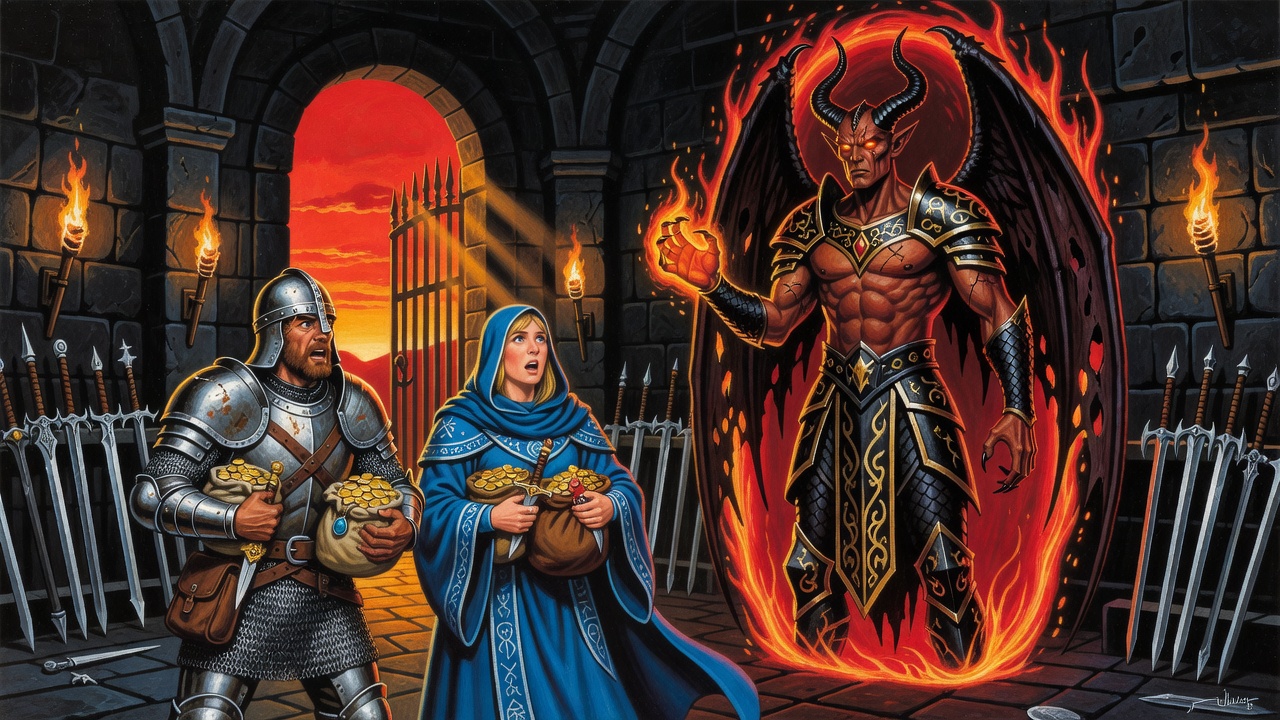
Chapter 7 opens far away, with a top-ten Korean clan sending eight hundred fighters into Inferno through a portal scroll bought from Max’s own clan. Loot beyond dreams carries them through the open gates of the Lesser Citadel of Asmodeus, a Supreme Demon away at war with his neighbour Veren. They are breaking into his armoury when Asmodeus bursts back through a portal and unleashes Soul Capture. The clan flees, and forty of its perma players stay behind as his prisoners.
At the castle the Cursed House settles in, and Anunakh swears a vassal’s oath for land in the Valley. Max wakes beside one of his Ear-cutters, Mona Lisa, and posts her as guard on his chambers. Pribluda brings back the Staff of Hatred with its adamant spike, gleaming now like deep space. Before, he says, it was a trembling, bug-eyed chihuahua:
“now it’s more like a well-fed lion. So what’s gonna happen when it’s hungry again?”
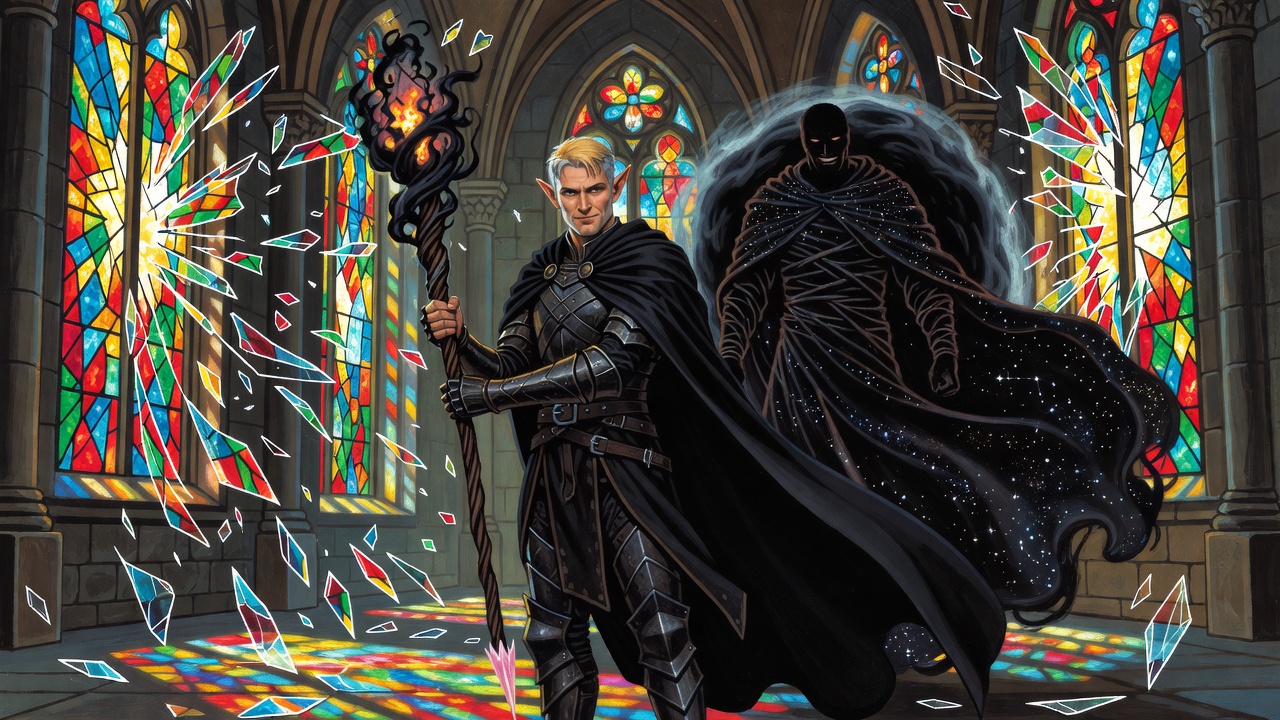
Trying to identify it crashes the game’s database. Max works himself up into everything he is and grips it; the castle shakes, stained glass rains into the yard, and the staff submits. The Fallen One bursts in and warns him never to let it into other hands.
In chapter 9 Asmodeus, his army broken by the Korean raid, challenges Veren to a duel to the death. Veren wears the Mirror of Pain, legendary armour that shifts every wound onto his own troops, and Asmodeus’s first spell crumbles thirty of Veren’s soldiers instead.
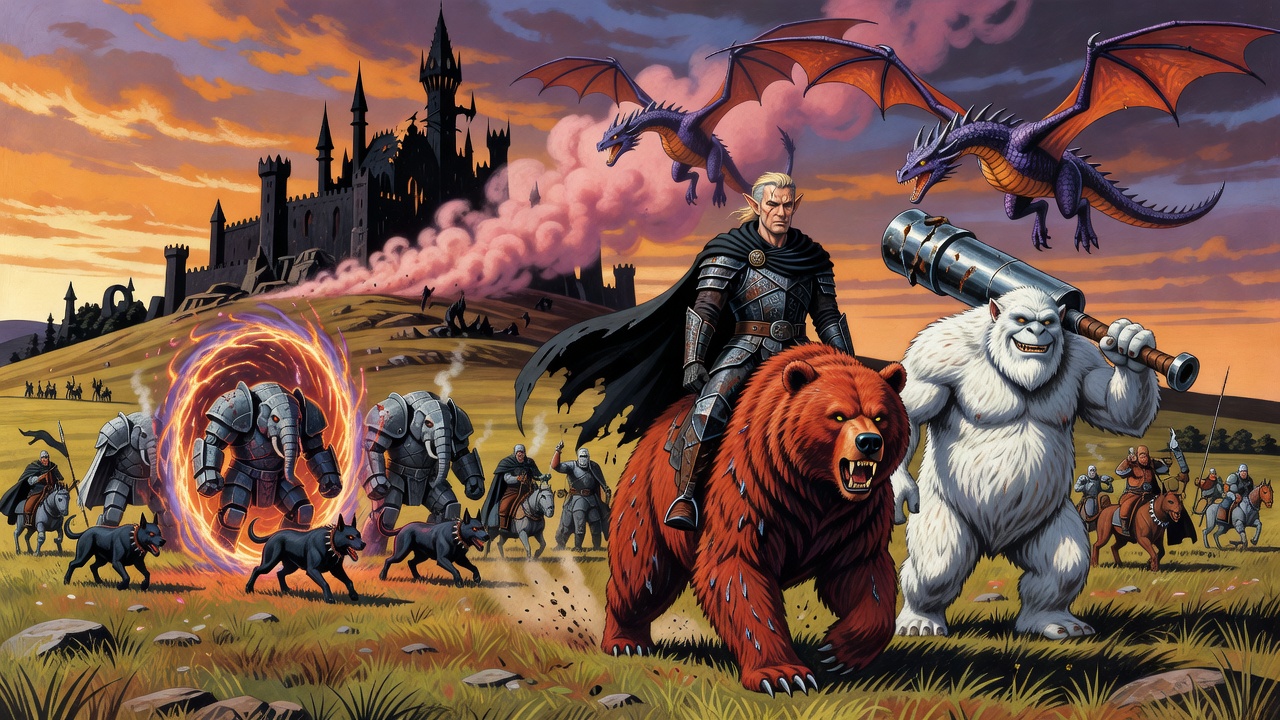
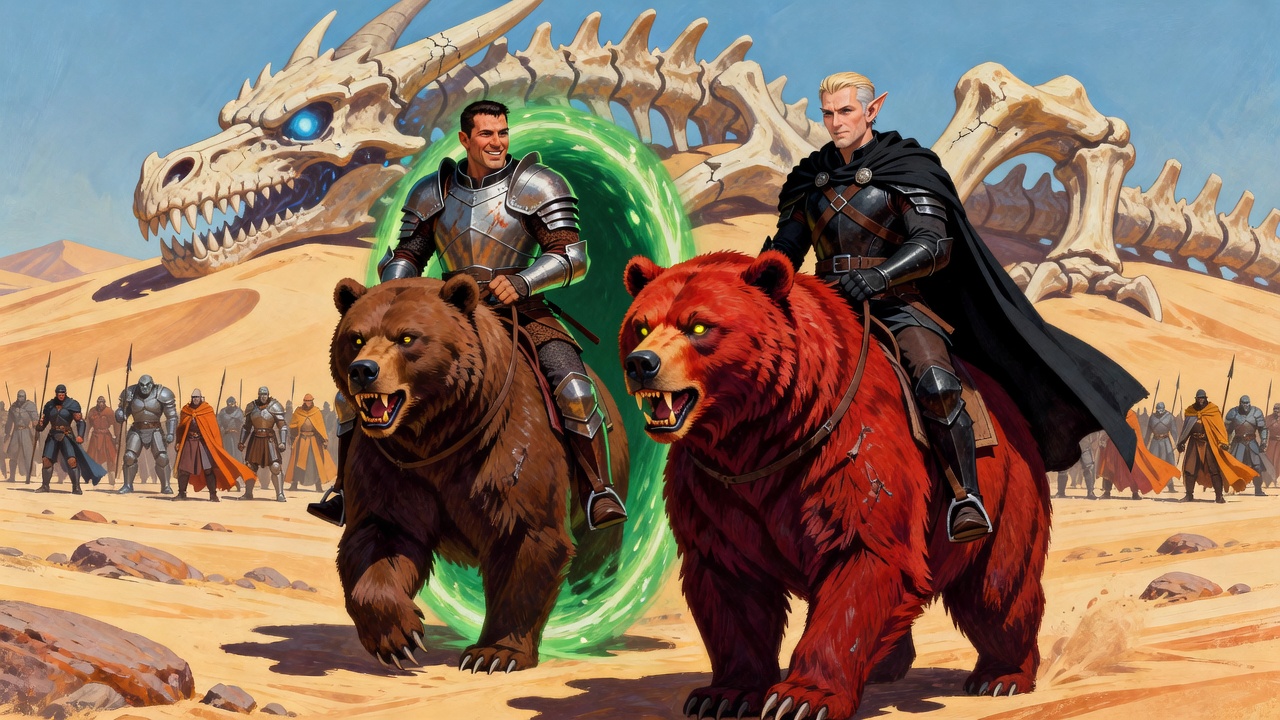
The Koreans call Max for help. He agrees on his terms: command and all the loot are his, with perma players in the second line and hired NPCs doing the fighting. At the Far Post the Veterans arrive through an emerald portal: Dan, General Frag, and their priest Eric on a bear-mount who turns out to be a she-bear with an interest in Humungus. Max’s six hundred hired NPCs are mostly women, his strategic idea: named and befriended NPCs go perma, and in a world where most players are men they will become fighters and partners. The Veterans hire four hundred of their own; readers object to the narrator’s tirade about women here. Then fifteen hundred fighters, golems, dragonets and fifty hellhounds cross through Max’s own portal into Inferno, the Koreans beside them.
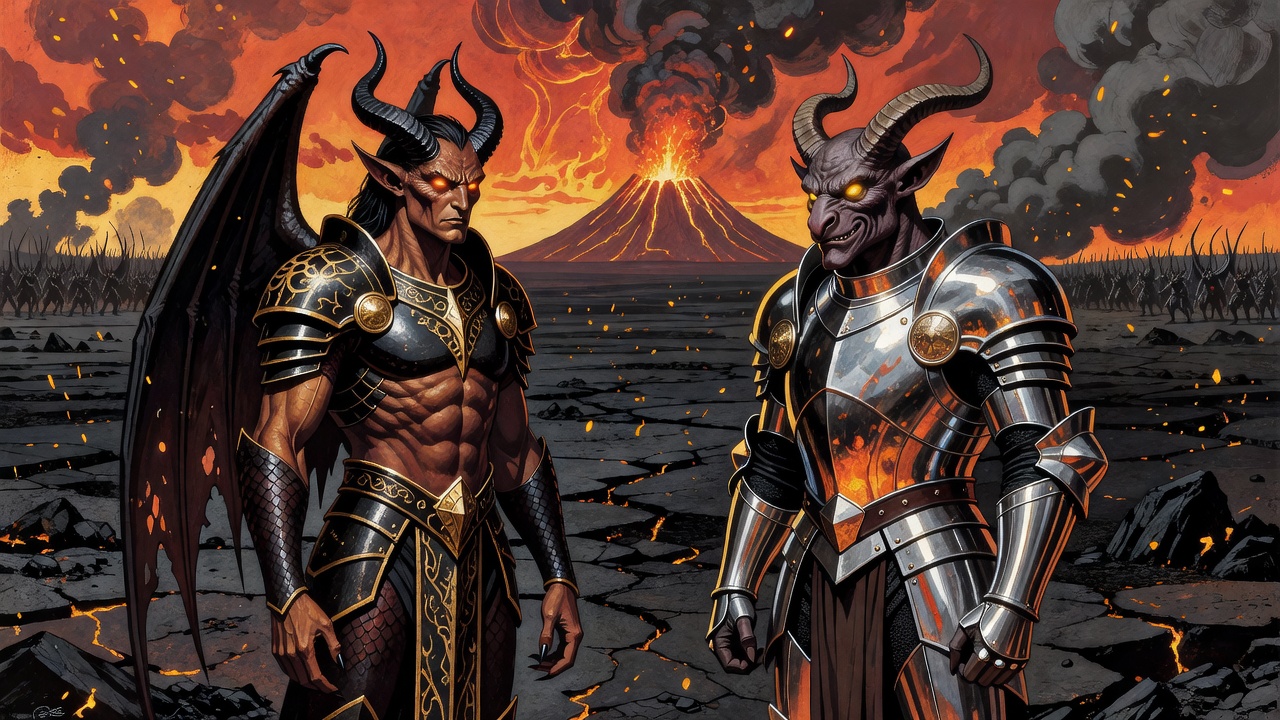
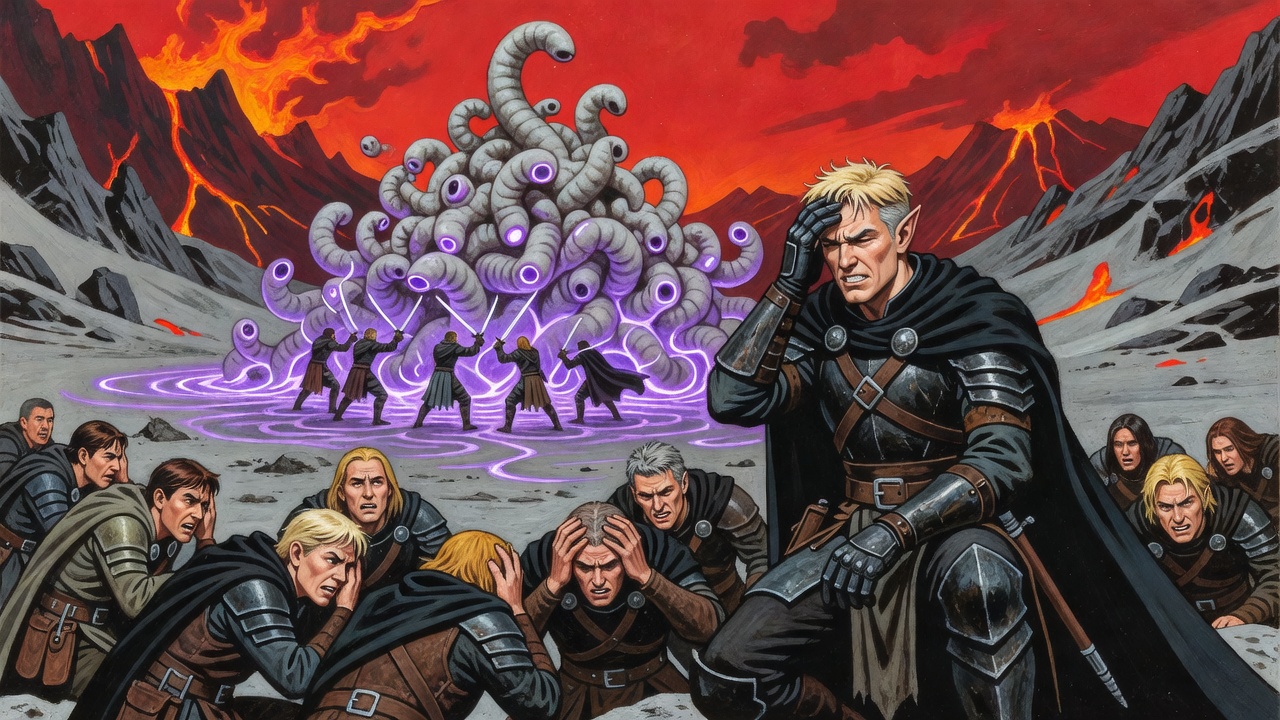
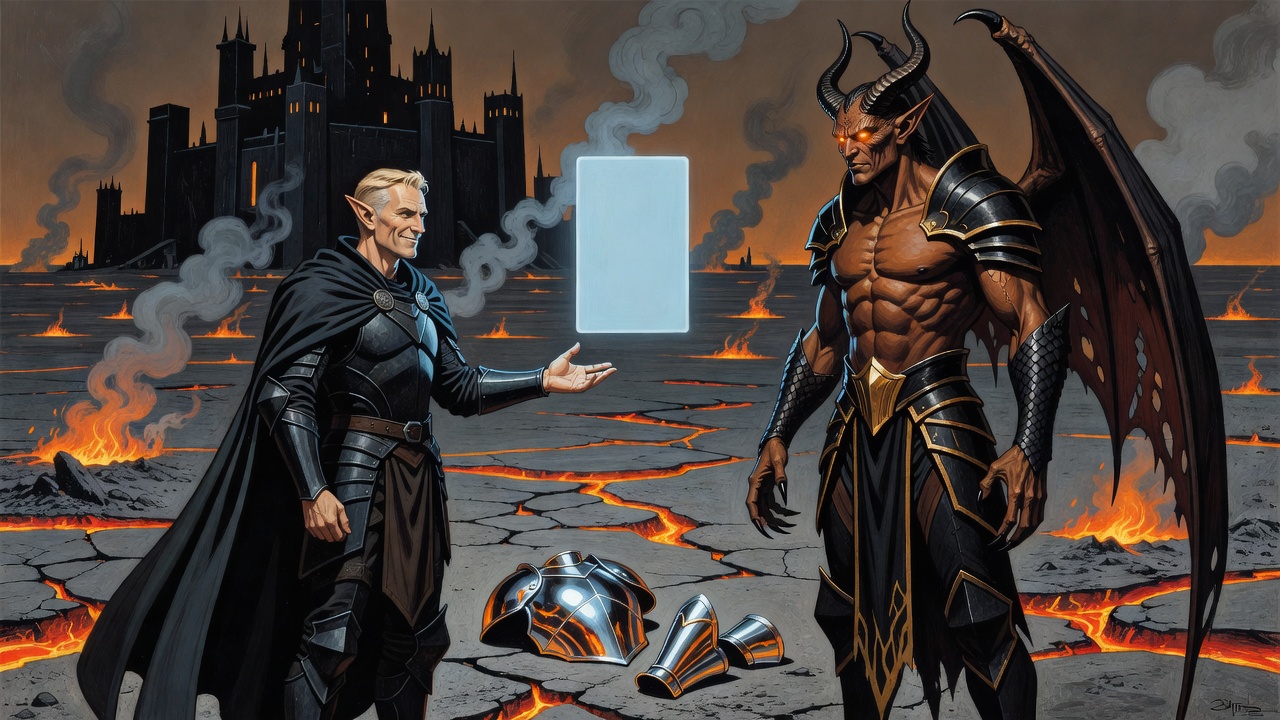
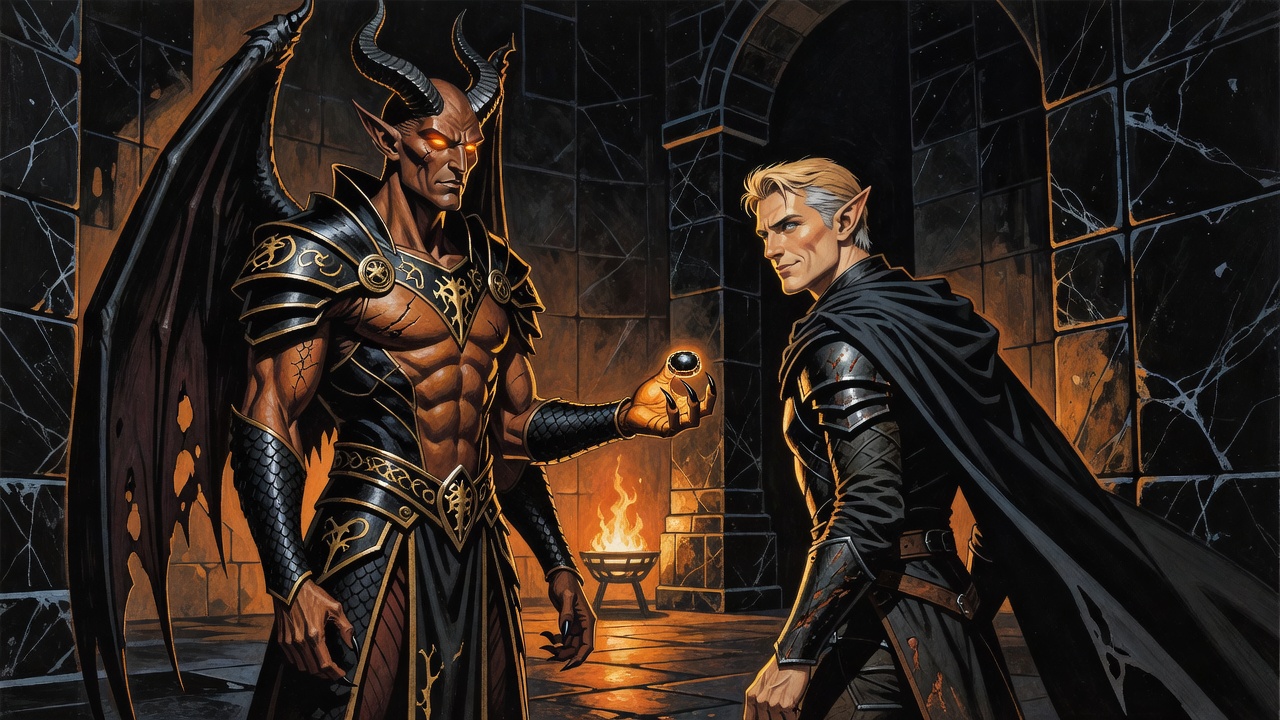
Inferno’s worst pest is the Lump of Nerves, a three-metre heap of worms that broadcasts its pain to everyone within a couple of hundred metres; a picked hundred hack at one while the rest curse in a dozen languages and endure. Beside Asmodeus, near his Lesser Citadel, Max’s raid kills Veren, who drops the Breastplate and Bracers of Pain. Max offers the demon a pact. Asmodeus, outraged, has never been anyone’s vassal, and is not asked to be: he joins the Guardians of the First Temple as an ally, on strict terms. A cache of silver lets him re-form his Silver Legion, the captive Koreans go free in Max’s debt, and Max levels so fast that one Russian reader complains his level doubles in two paragraphs. Tired of Max paying a fortune for portals, Asmodeus grudgingly pulls off a ring that summons him once a day; as Max turns to go, he asks, in an unfamiliar quiet voice, to be summoned back if he dies.
Parents’ Day
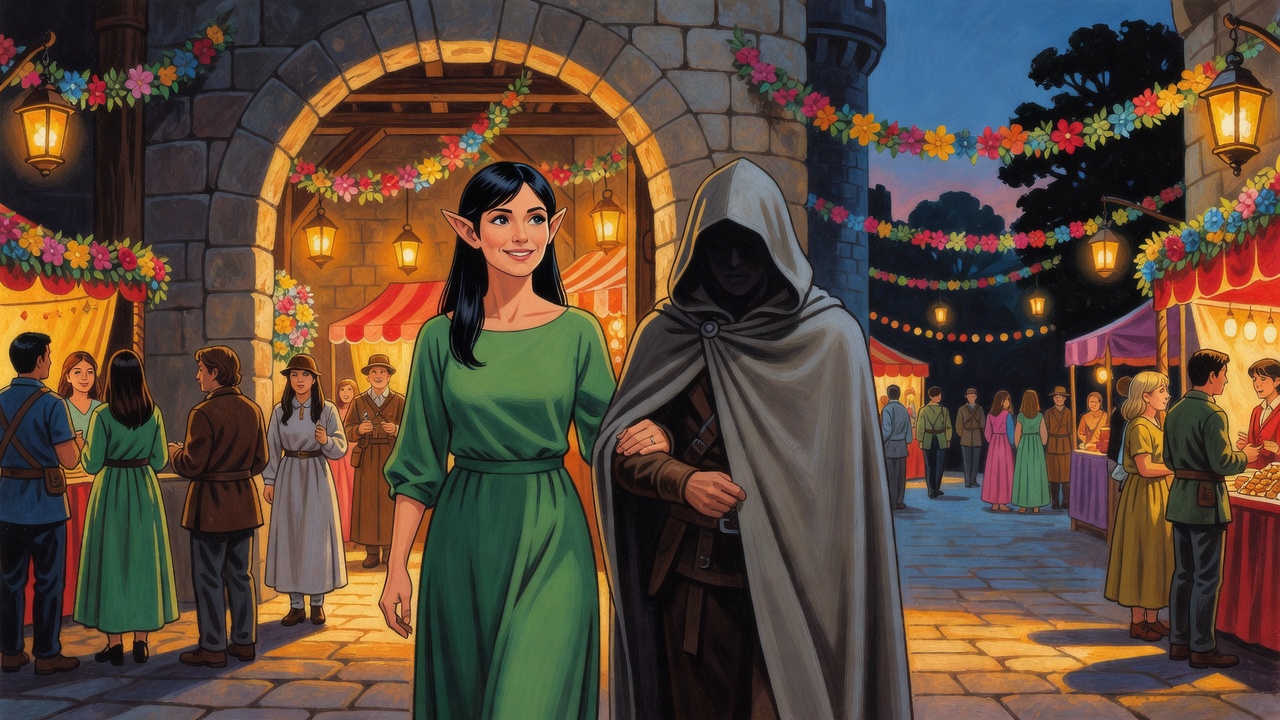
Back at the First Temple the clan holds a Parents’ Day for the families of Doc’s children, nearly eighty of them now. An insert cuts to Earth: a hired specialist is at work in a virtual capsule in a city flat, four hours’ work for twenty thousand untraceable bitcoins, while a crew stands ready to erase every trace. Through him Tavor (the Forest Cats’ hunter of perma players, who went perma himself after murdering several people and has since betrayed his own father) seizes Max’s mother in the middle of the festival. She simply walks off with him, which at least one English reader finds hard to believe. The plan is to make Max come for her, and take him too.
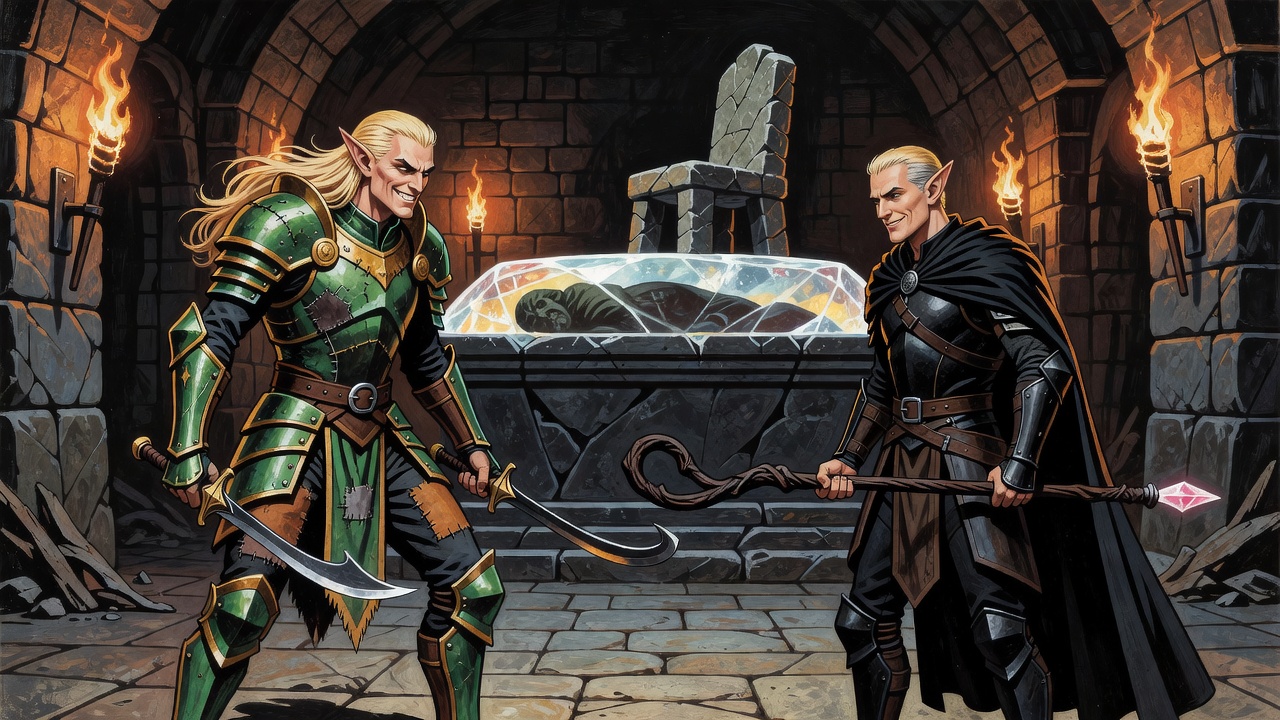
He comes. Max teleports to Tavor and beats him, with Lolth’s blade and Asmodeus’s help. Tavor’s refuge is a crypt under his father’s castle, where a maimed god sleeps in a huge crystal-lidded sarcophagus with a crude stone chair set on the lid; only in Book 5 does Max work out that time runs fast down there, so that his mother’s six hours as a captive passed in ten of his minutes. Tavor himself ends up in Inferno, and through Max’s pact Asmodeus shuts his soul inside a Lump of Nerves, to feel its pain; his body is left an empty, drooling shell. Readers split: one calls the revenge impressive, another complains that a villain four books in the making is dispatched in a couple of pages.

Personal Enemy of God
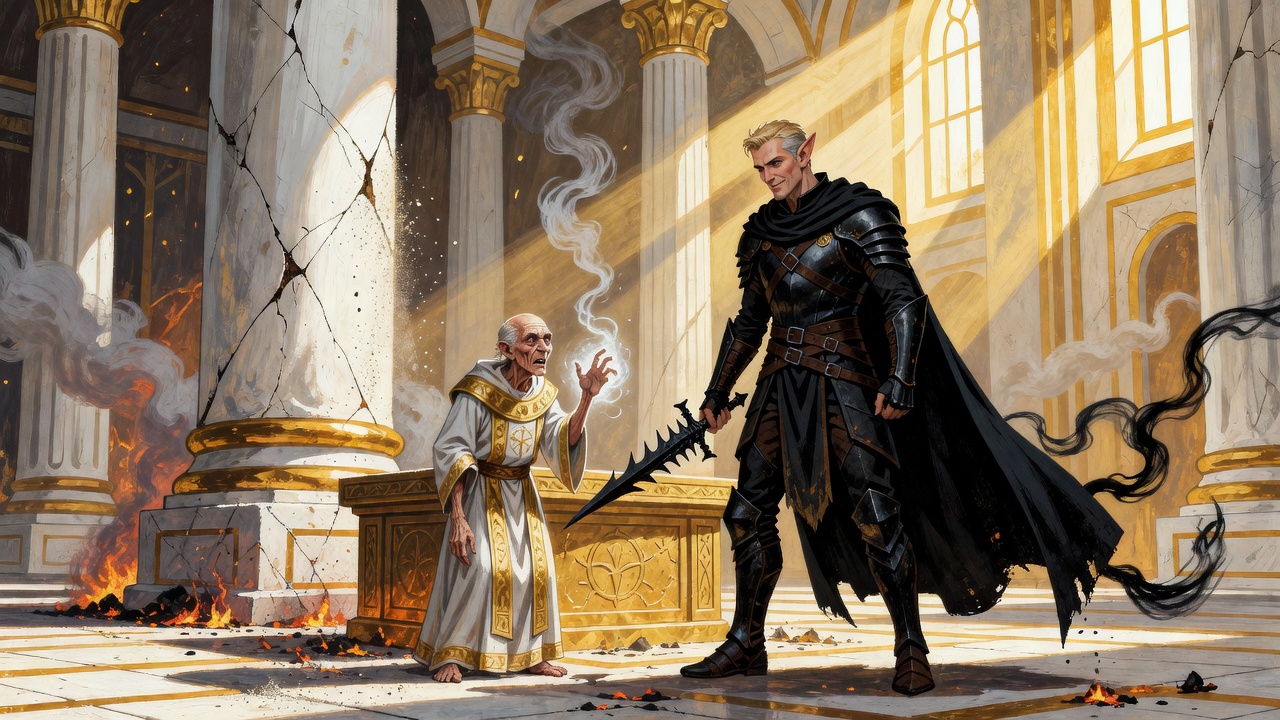
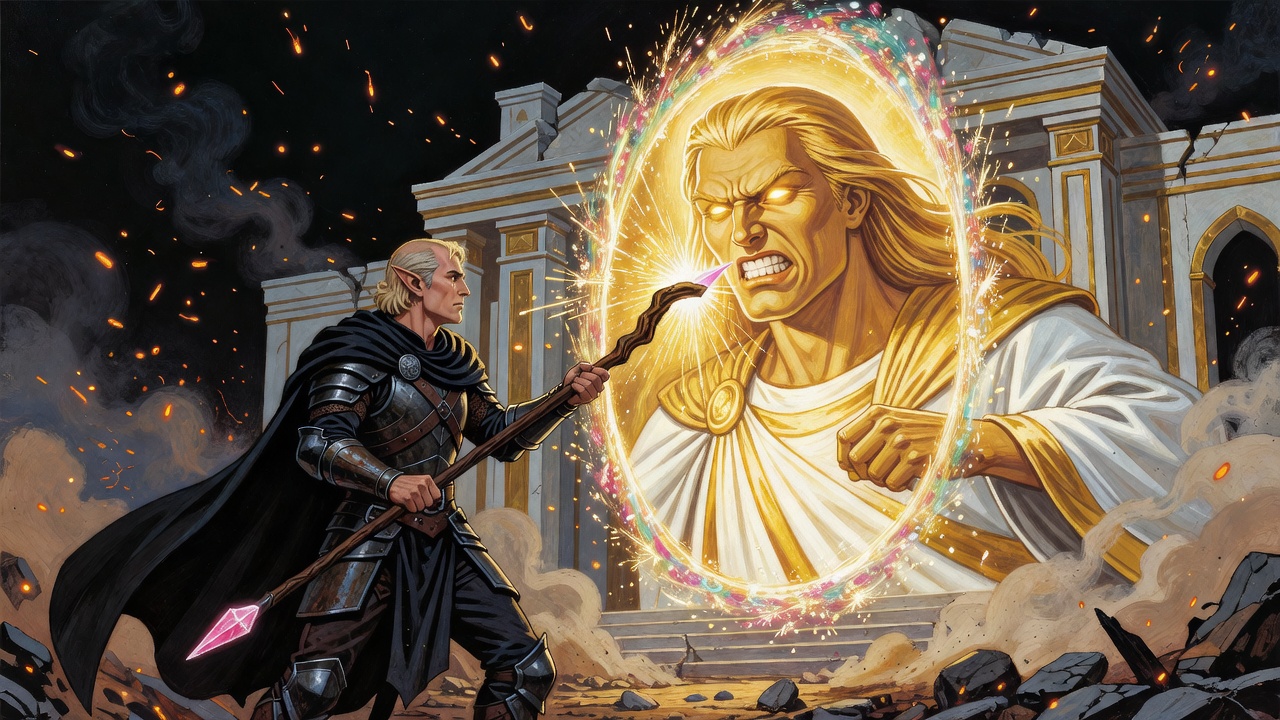
The book ends with sabotage on a grand scale. Max still owes Lolth the death of the Bright-Faced One’s Patriarch, the condition of his release in The Duty, and now the Fallen One, worn down by many attacks, asks for it too. Max kills the old man with Lolth’s own blade, a notice reports that his standing with the goddess has “improved from Hateful Bastard to Funny Little Shit”, and the Light god’s great temple is left in ruins. A portal swells in front of him, sparks of divine presence swirl like coloured snowflakes, and the god’s furious face turns toward him. On reflex, Max slashes it with the pink adamant sting of his staff, and the book leaves him with a new status: Personal Enemy of God.
One Russian reader complains the closing fight is cut off at its most interesting point; others, that the war for the First Temple, promised since Book 3, still has not begun. The Battle opens minutes later, with the god’s blood still on the staff.
The game in this book
- Max’s numbers. About level 80 at the start, against a combat wing averaging 170; after Inferno’s elite loot he levels at a speed readers mock. New ranks: Prince of the House of Night (found in his own status tab), a Holiness bar when he takes the Cursed House under protection, and finally the status Personal Enemy of God.
- The Spark of the Creator. The book’s big rule: NPCs who are named and befriended can go perma. Max names his surviving Ear-cutters and hires six hundred NPCs on that bet. The hospice children, crossing over faster the younger they are, ignore class limits and craft unique items by belief alone (Masha’s ring of flight, Dimka’s adamant spike).
- Items that break the rules. The demon-souled Staff of Hatred takes an adamant spike no smith was allowed to fit, and identifying it crashes the database. Summoning seals: Asmodeus’s ring calls him once a day; Veren’s seal, once in six months.
- Summoning a god. A Temple Heart shard laid on an altar calls a god into the world (Aule); the First Priest keeps the right to unmake a summoned god with the pantheon head’s consent. The hiring interface hides darker options: mixing four races spawns cheap Chaos soldiers whose quest demands a desecrated temple. Max shelves it.
- Inferno. A raid plane of a hundred dominions under Supreme Demons, reached only by portal scroll; Max can open the portals himself and sells the scrolls. Lumps of Nerves share their pain with everyone nearby; the quest Inferno Cleaner pays for killing them. Soul Capture takes even perma players prisoner.
- God’s blood. Petrified, it is a crafting gem: the ruby on Masha’s ring of flight is a stone of God’s Blood that gives a permanent Levitation buff. Drinking a god’s blood for immunities (the Bright-Faced One’s, then the sleeping titan’s) is The Battle’s business; the author-site wiki also lists an archdemon’s blood, immunity to soul theft, without saying in which book.
- System messages as punchlines. When the Patriarch dies, a faction notice moves Lolth’s opinion of Max up from one insult to a fonder one (quoted in Movement 6); identifying the staff ends in a bug report and a full support mailbox.
- Death and loot. Players killed by NPCs lose experience (the Cursed Castle’s besiegers fume about it), and killing players earns none; in Inferno Max keeps perma players in the second line and lets hired NPCs fight. Perma players taken by Soul Capture leave no grave in their castle’s cemetery, only moans in the chat.
Continuity notes
- Max / Laith: grieving Taali; eyes turned black; ends much higher in level, Prince of the House of Night, Personal Enemy of God, with the Staff of Hatred tamed and Asmodeus’s ring. He leaves Humungus in Tavor’s crypt, where Book 5 finds the bear.
- Max’s mother: a perma elf growing younger, teaching the children; kidnapped at Parents’ Day and rescued. In Book 5 she minds toddlers in a sandbox and becomes Yavanna’s High Priestess.
- Taali and Olga: both dead; Tavor’s stone messenger brings the news item that can only mean Olga.
- Doc still logs in from Earth and fears arrest; nearly eighty of his children now live at the First Temple.
- Aule joins the Dark pantheon and forges in the Valley; Yavanna is promised and comes in Book 5. Some five hundred dwarves settle the Valley.
- Anunakh, Dana and Danunakh: the Cursed House under the Fallen One’s protection, living in a wing of the First Temple while dwarves build their citadel; Anunakh is Max’s vassal.
- Orkus joins as head of intelligence. Fifteen named Ear-cutters go perma and hundreds more are hired; Mona Lisa guards Max’s chambers.
- Asmodeus: an ally, summonable by ring; the Silver Legion re-formed; Veren dead.
- Tavor: soul shut in a Lump of Nerves, body an empty shell in Inferno. The god asleep in his crypt is identified in Book 5 as the titan Chronos; Max returns there in Tavor’s body in Book 5.
- The Bright-Faced One: his Patriarch dead (Lolth’s debt paid), his great temple ruined, his face slashed. The war for the First Temple is still to come (Books 5–6).
- Pribluda is still the clan’s engineer here; he betrays the clan in Book 5.
Notes
- How this page knows: chapters 1–4 come from the Russian publisher’s free excerpt, chapters 5–9 from drafts the author posted on his own forum (wording may differ from the printed book), and the rest from the fan wiki on the author’s site (which quotes the book with chapter numbers), a Russian reading-diary summary and reader reviews. Little English text was reachable; the quotes are from the English blurb and Goodreads.
- Names: Aule, Yavanna, Asmodeus, Tavor and Doc appear in English sources. Pribluda, Orkus, Kremen, the Ear-cutters, the Light Bearers, Birch Nursery, Dimka, Masha, Bomba, Durin, Barrymore, Macaria and the Bright-Faced One (Russian Светлоликий, the light god’s title on every page of this companion) are transliterations or this companion’s labels; the English edition may differ.
- A chronology trap: the author-site wiki lists Max wearing Tavor’s body and drinking the blood of the sleeping god and of the Bright-Faced One among his Book 4 deeds. The Book 5 text puts all three in The Battle; this page follows the text.
- Max’s mother’s name: in the Russian text of chapter 1 she is Anastasia Pavlovna (the publisher’s excerpt settles an earlier doubt over whether the name belonged to Lena’s mother). No English source shows the translation’s form, so this page does not name her.
- Reception: many English Amazon readers call it the best of the series so far; Inferno and Asmodeus are favourites. Complaints in Russian, Czech and English: a slow first third, Max’s luck and loot, Taali barely mourned, national stereotyping, and the treatment of women.