Play to Live · Book II · 2013
The Clan
Hours off the torturers’ hooks, Max breaks a castle’s dome for an army of veterans, and starts to learn what a clan, a castle and a god will cost him.
The Clan is the second Play to Live novel by D. Rus, published in Russian by Eksmo in August 2013 as Klan and in English as a Kindle book in July 2014, with a paperback that November and Michael Goldstrom’s Audible narration in 2015. Like AlterWorld, it is told in the first person by Max, a Moscow gamer dying of a brain tumour who has crossed into the virtual world for good as Laith, a High Elf death knight serving a disgraced dark god. It opens a few hours after Book 1’s cliffhanger, with Laith just out of the Cats’ torture cellar.
The book opens with a war: a clan of army veterans storms the castle where perma players were broken and sold. The rest turns its hero into a priest, a landlord and a debtor, with a temple to rebuild, a goddess to recruit, a dwarf, a pack of hellhounds and two baby dragons to house, and a clan that grows from two to a glade full of children. Between the chapters run documents from Earth in which the game’s makers, and the governments watching them, lose their grip on the world. The publisher’s blurb warns that “freedom and immortality are a poisoned chalice”.
The Russian edition has twenty-three chapters; the English edition breaks them differently. Like the rest of this companion, the page gives away everything, the ending included.
The Storm of Forest Castle
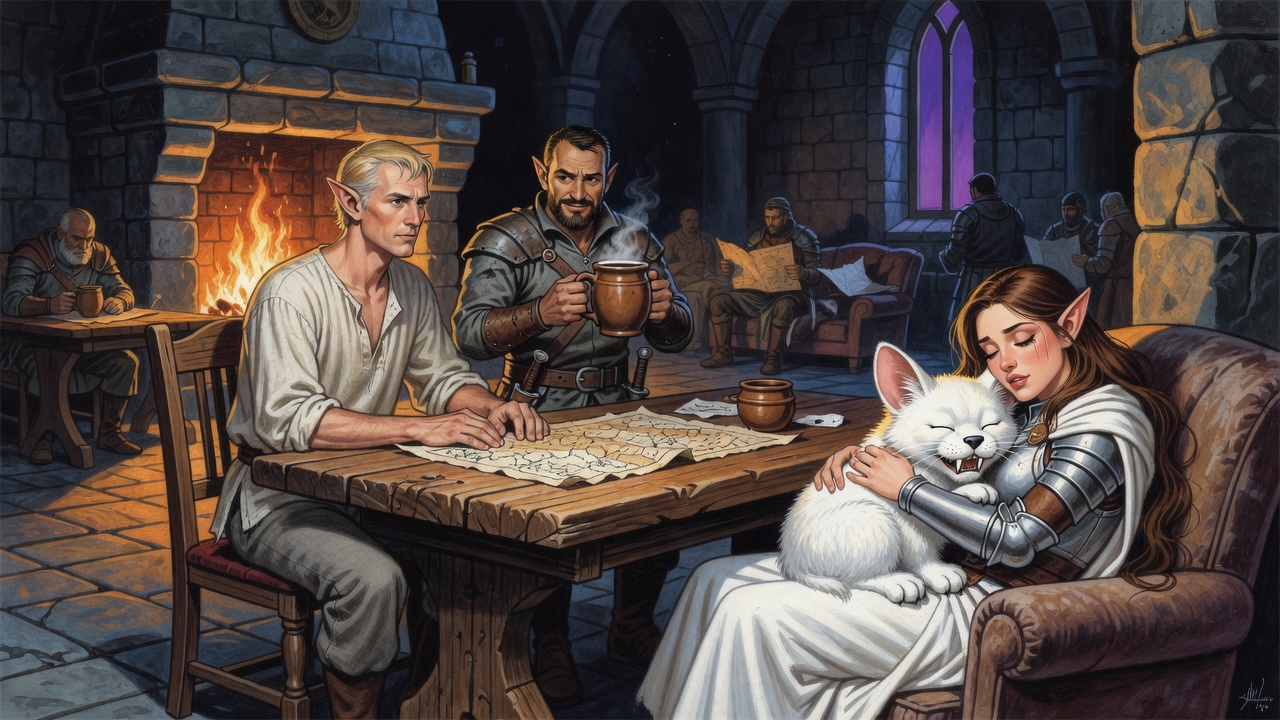
Hours after his escape from the Cats’ torture hooks (how he got out, he keeps to himself), Max sits in house clothes among shining armour at an emergency council in the Veterans’ East Castle. Taali, tear-stained, has refused to leave and sleeps by the fire hugging the castle’s white teleporting pest. Cryl, who escaped with him, is asleep after his debriefing.
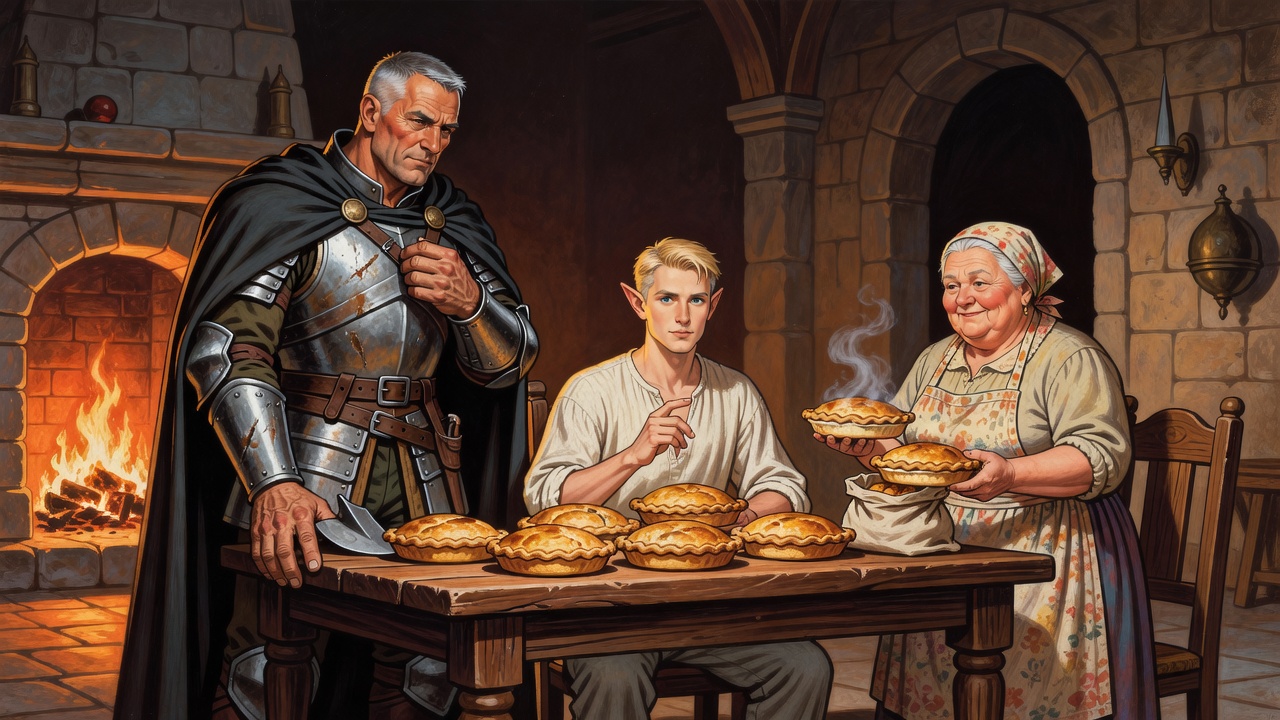
Dan, the Veterans’ counter-intelligence chief, briefs them: the Cats are a young Russian clan of rich men’s children, about four hundred strong and two-thirds perma, with three castles, and they look like the strong-arm tool of a richer faction, the Olders; the mass enslavement of newcomers, Dan guesses, is the Cats’ own sideline. Then General Frag comes in: in life a legless Afghan-war major past eighty whose grandchildren laid him in a capsule, in the game a mighty warrior with hands like shovels. He grumbles at Max as a troublemaker while Aunt Sonya, the cook, unpacks pies from a bottomless bag. Max proposes a graded scale of four punishments for the slavers, from arena death to a kill-on-sight list, and the General christens them the Four Death Knight Punishments.
The Olders want talks and a joint protectorate over the Cats’ Crystal, the artifact that breaks minds; Max says it must be destroyed. Breaking Forest Castle’s dome would take a whole clan many hours, but Max tells Dan privately that he can bring it down with Astral Mana Dispersal, a Higher-Circle spell he won in a dungeon. The General sets the assault for veterans of level 100 and up, and Max offers drow throat-cutters, promised to him by a dark princess.
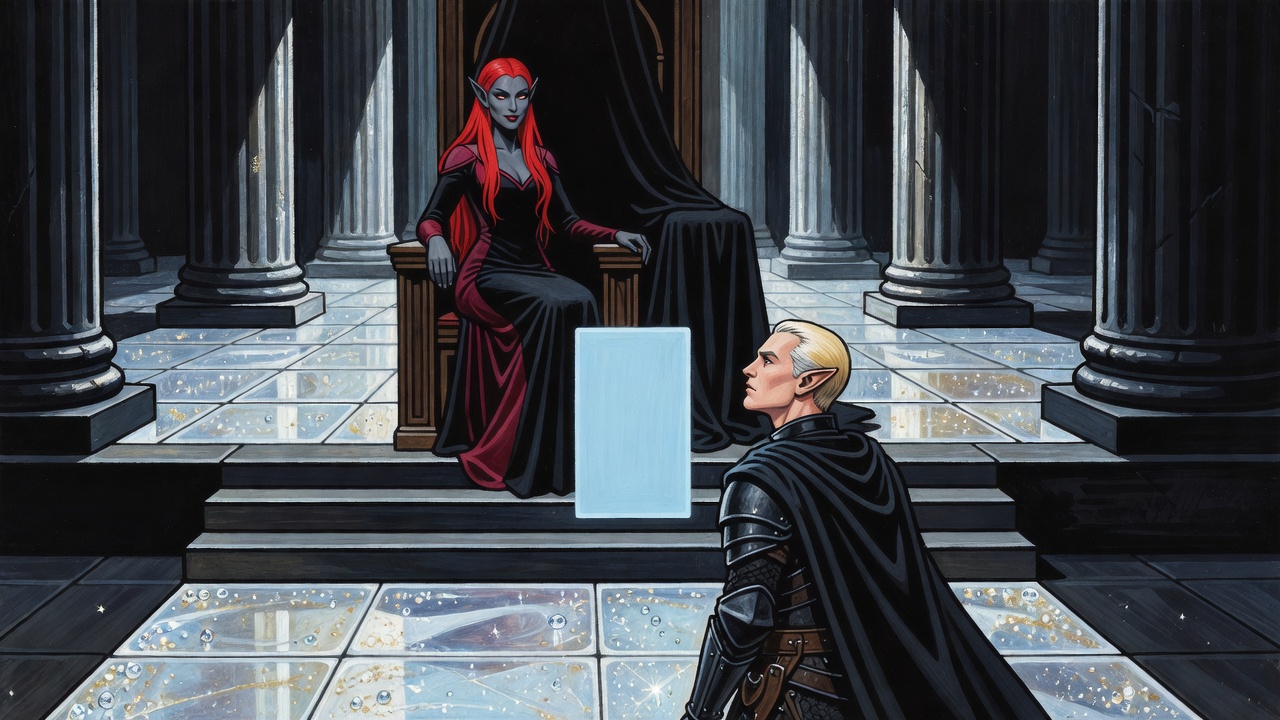
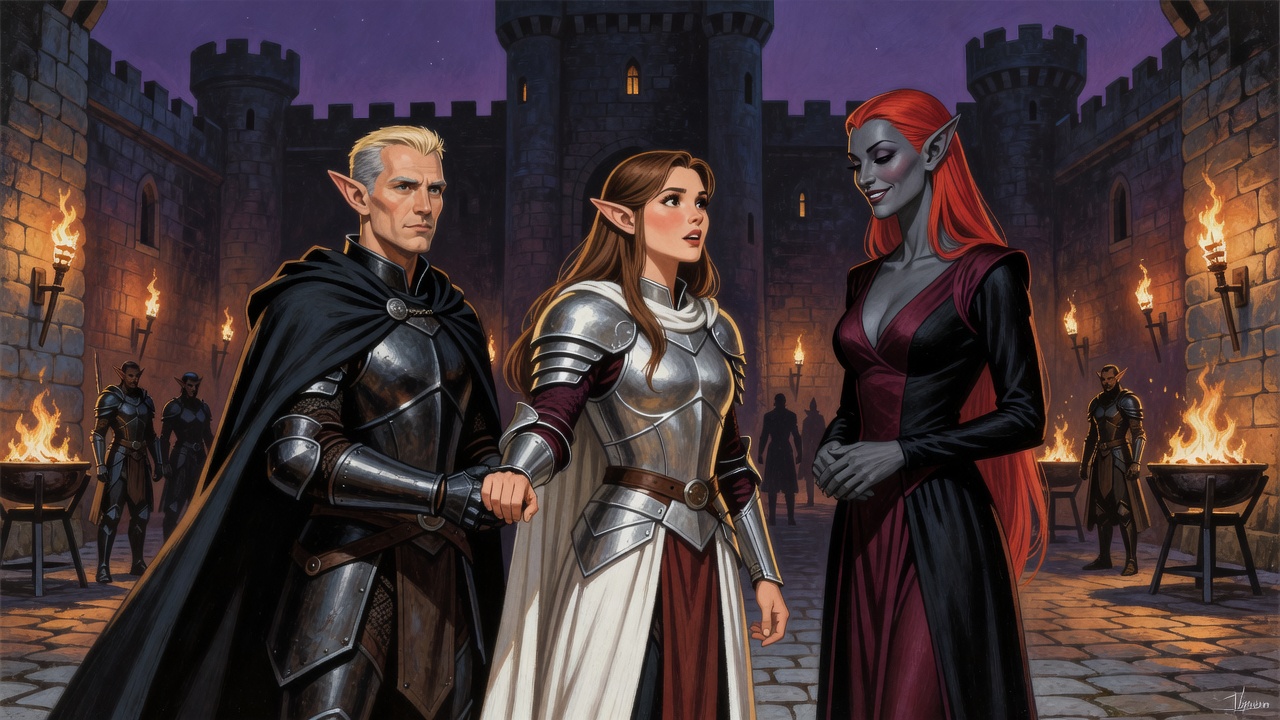
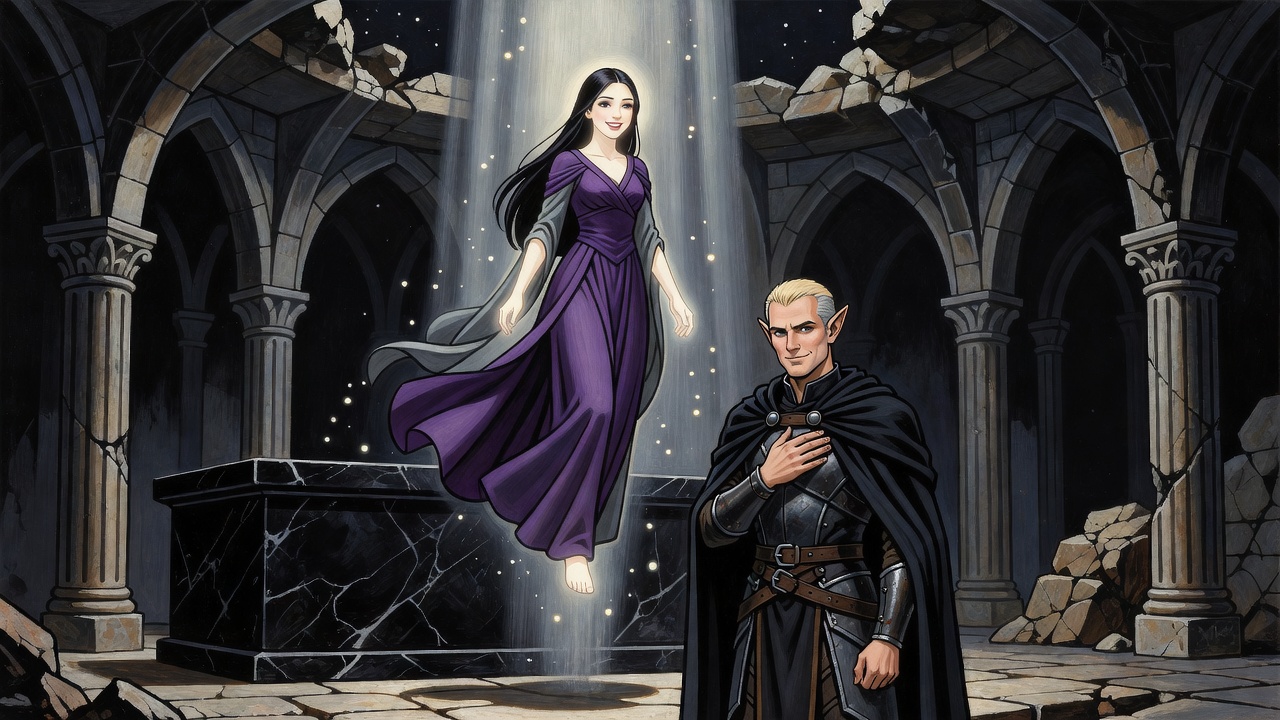
The wizard Porthos, gagging on cinnamon-flavoured mana potions, sends him to the drow capital, all Gothic façades and palace spires. There Max moves his money to Drowbank, sends Olga at Chronos flowers and champagne and his mother a hamper of treats, and is saved from a barbarian’s gang by a patrol that respects the princess’s mark on him. In the Small Palace of the House of Night, on the lesser of two thrones, sits Princess Ruata, scarlet-haired and smelling of wild strawberries. Her Prince died defending the Second Temple, and some drow no longer respawn as their god weakens. She offers Max the quest Prince of the House of Night. Its conditions include a castle, a priesthood, Fame level 5 and a level above her 171; four other heroes hold the same offer. He accepts. She lends him fifty throat-cutters and comes herself, partly to meet his paladin girl.
The drow nearly start a massacre in the Veterans’ portal hall until Eric bellows everyone down. Taali storms up to Ruata, wilts under her smile, and plants herself between Max and the princess.
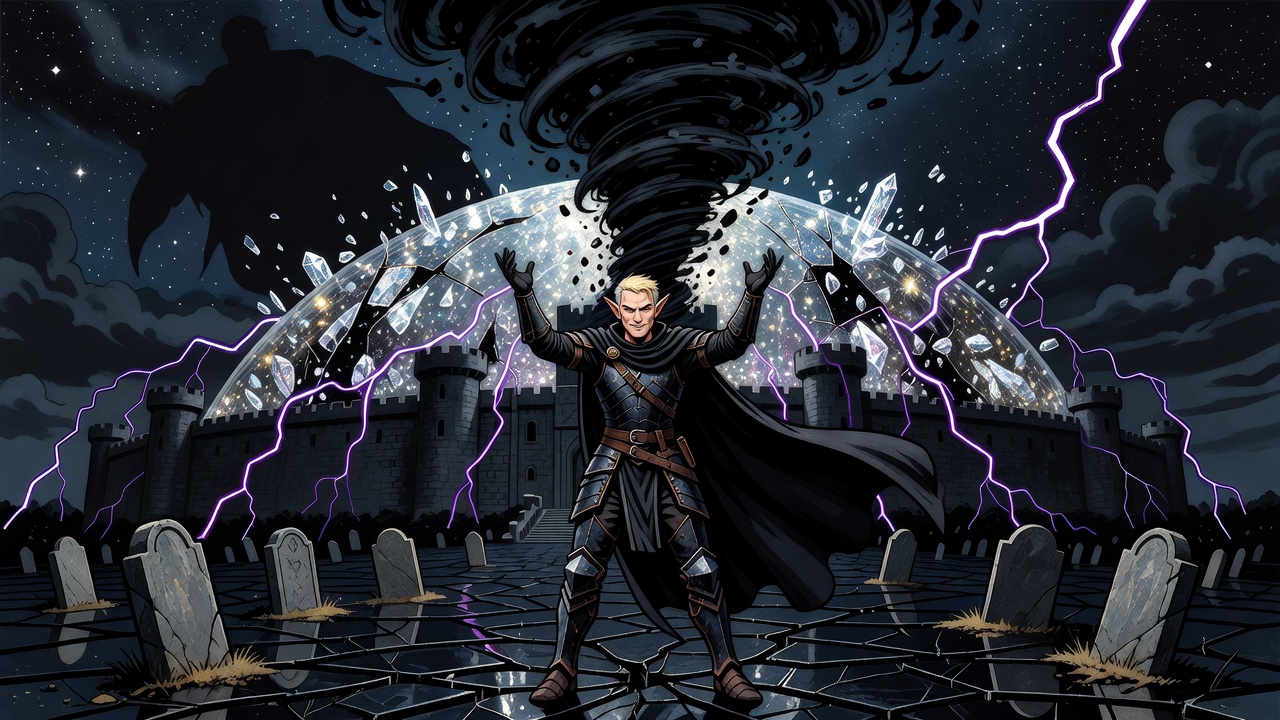
At three in the morning Max’s group of twenty-six, enchanters and necromancers along as mana batteries, creeps to within forty metres of the walls, his spell’s range. He casts. The ground shudders, a black funnel spins up, and anthracite lightning crawls over the castle’s shield, while the defenders answer with crystal hail, meteors and walls of fire. The force domes over his group die and his mana runs dry. A familiar voice offers help, a dark silhouette blots out the stars, and a buff he cannot read refills him and makes him immune for thirty seconds. His group is slaughtered or evacuated and his drow bodyguards die shielding him; alone among gravestones on ground baked to glass, he holds the cast until the castle’s dome bursts into a thousand shards. The gates fall in thirty seconds.
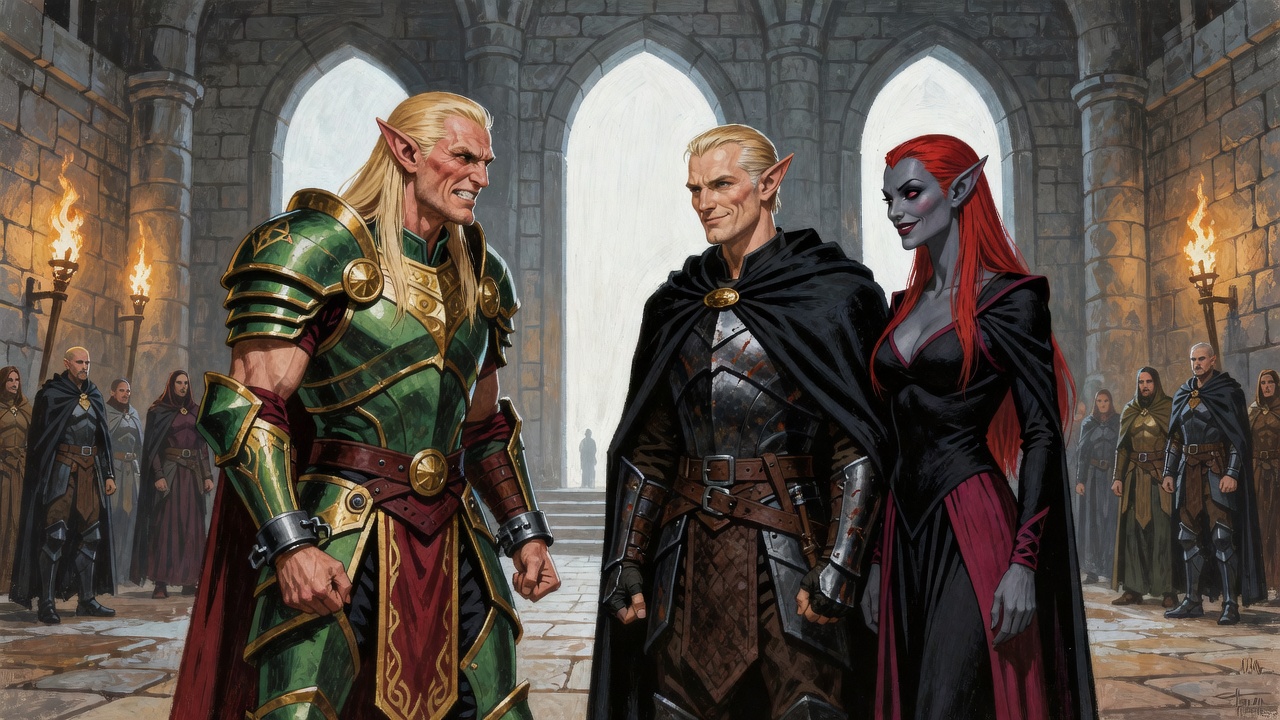
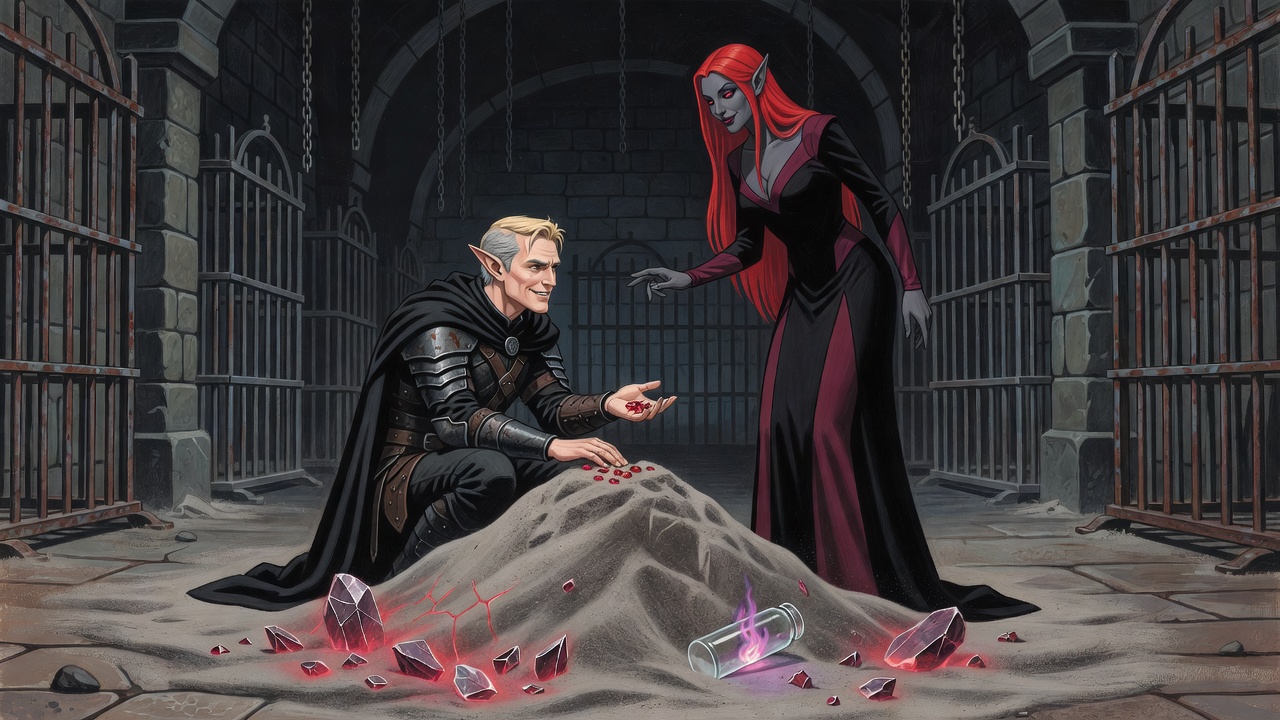
Clerics raise the dead, and Ruata’s warriors rise beside her in dark pillars of light. Tavor, one of Max’s captors, led out among the prisoners, screams that they will catch Max again and cut down all his people in real life; Ruata, who says he butchered prisoners, asks for him as a blood-debtor, and the General refuses. Then three portals open and elite mercenaries pour through, a diversion while casters pull Tavor and other prisoners out by group invite. In the basement prison the Crystal glows wine-red, two million self-healing points of mana, while some fifty level-200 fighters in spotted mail and half-masks cut through Veterans and Cats alike to reach it. Ruata sells the General a violet potion that resets Max’s cooldown, and his spell grinds the Crystal to dust and upgrades itself to Astral Mana Absorption. Max scoops four blood-red epic crystals out of the dust, and Ruata, two fingers raised, holds out her palm for half. Forest Castle is the Veterans’ fourth castle.
A Clan of Four
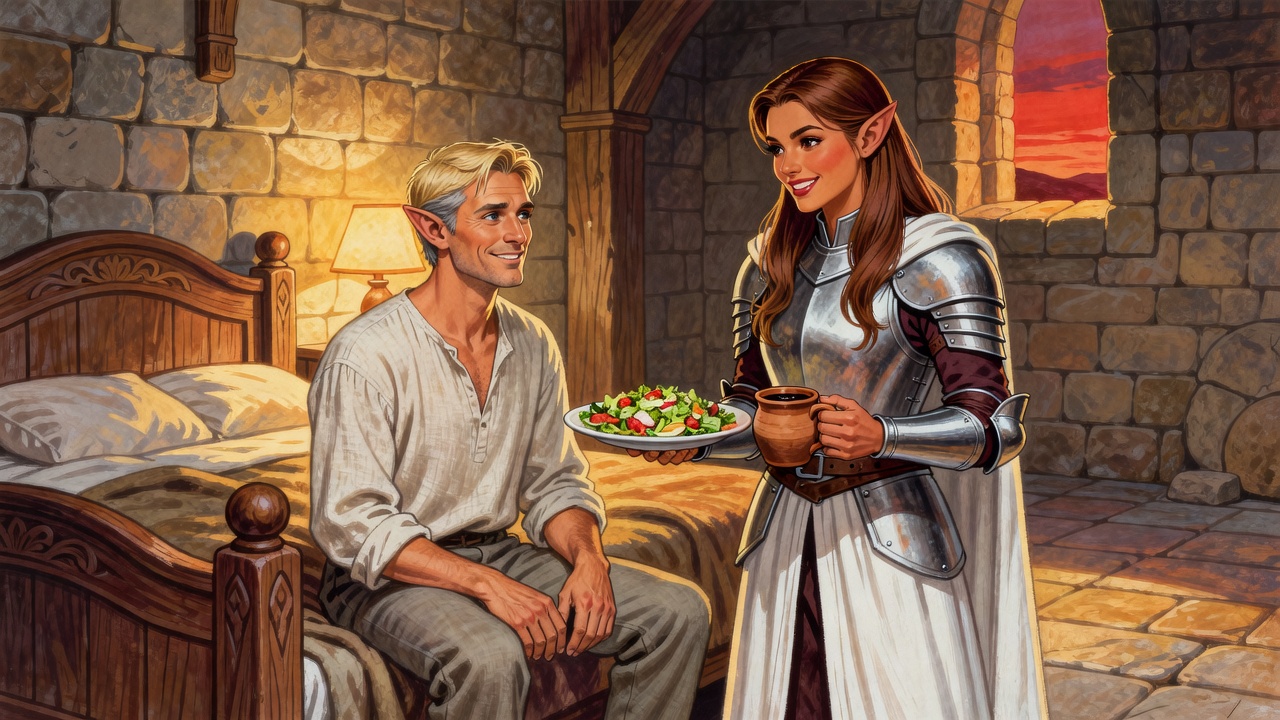
The General refuses to shave Max’s share of the loot: Max tripled the haul. At the morning meeting the white pest, told to leave when asked or be killed on sight forever, swipes Dan’s coffee pot off the table and teleports away. The spotted fighters’ kit smells of a government service. The Cats dissolve their clan and auction their castles. Max sleeps until evening, when Taali brings Olivier salad and kvass to his bed and hears the whole story.
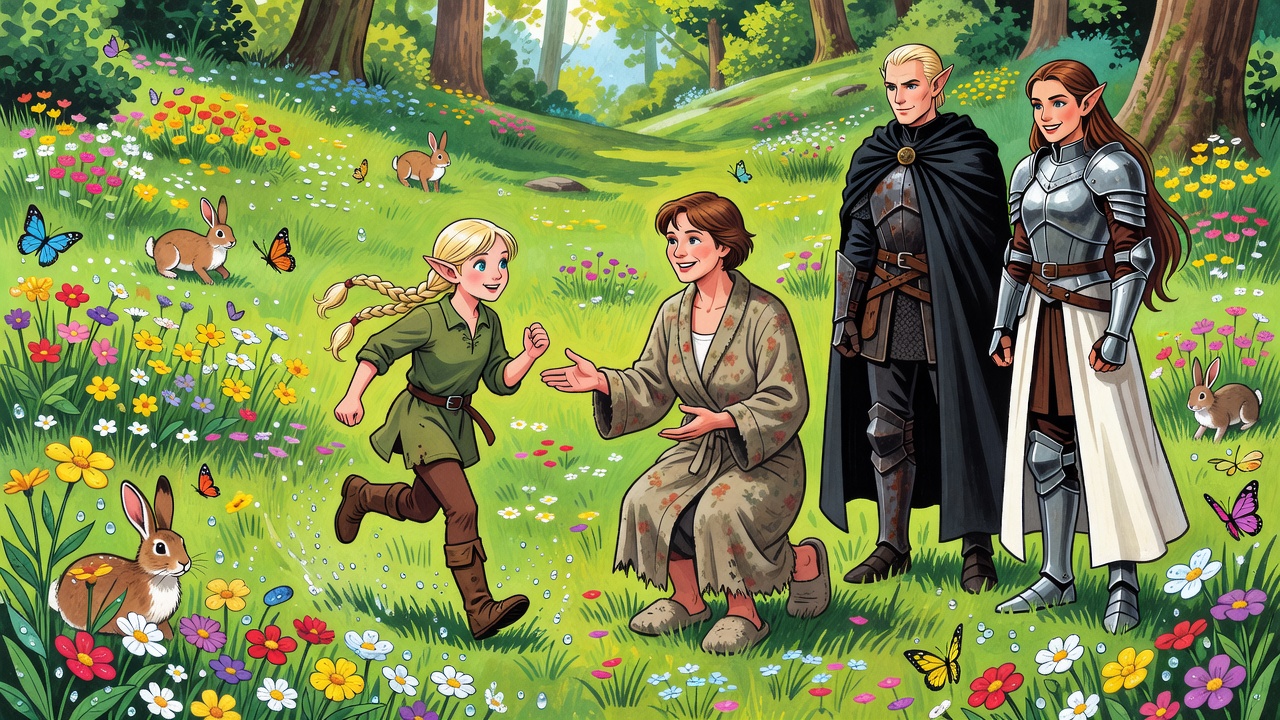
Cryl, who has not left her side, shows them a girl rescued from the Cats’ castle: Lena, catatonic at an open window. Max spends twenty thousand gold and a day on a surprise. On an always-sunny glade near the castle, among butterflies and harmless hares, a woman’s voice calls the girl’s name. Lena’s mother has logged in, in a house-robe and worn slippers, and Lena runs to her.
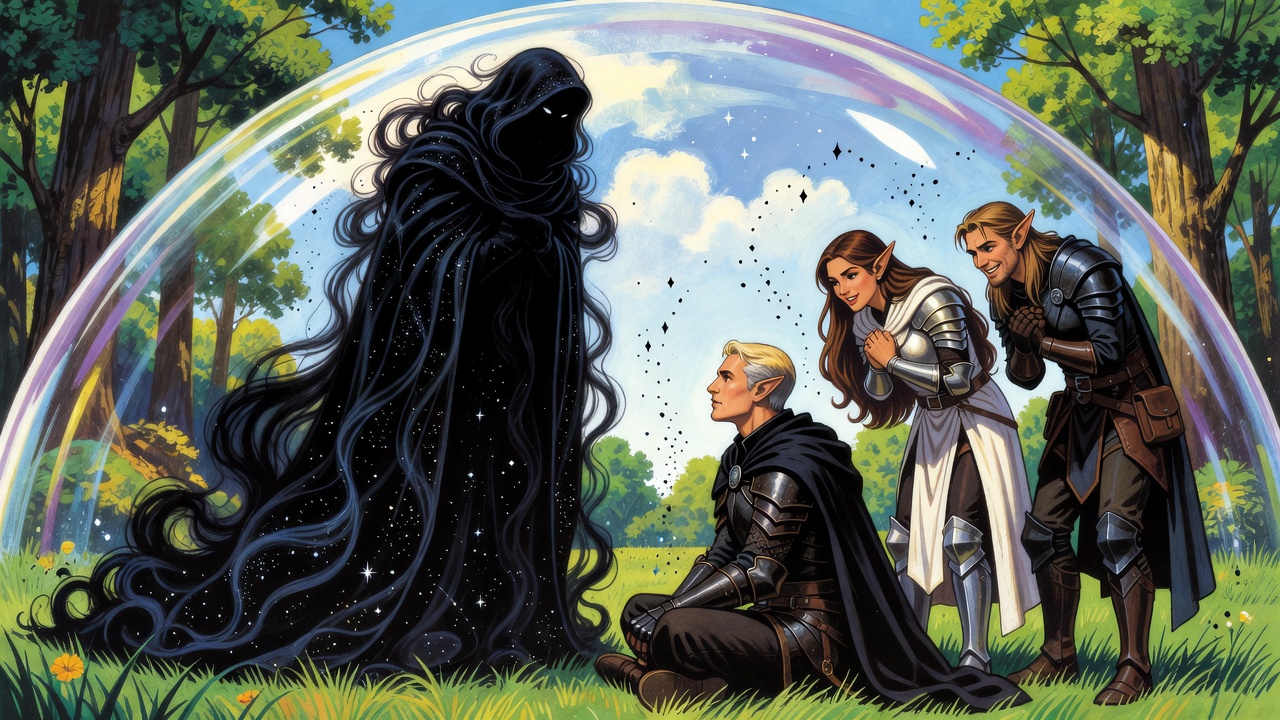
The good deed completes a hidden quest, and the reward lands in a swirl of black diamonds round Max, Taali and Cryl: each of them can now, once a day, fully heal any creature but themselves. Max calls the god out. Under a mirror dome on the glade the Fallen One appears, wound in flickering cords of darkness with the cloak of night on his shoulders. He feeds on his followers’ deeds, he explains, and Lena could make a superb priestess. Cryl and then Taali pledge themselves to him, and the god, wiping blood from his mouth, gives Lena a platinum bracelet that turns the dark races neutral to her and takes her to any dark temple once a day. Lena’s mother, from St Petersburg, with bad knees, asthma and a husband who is a chief doctor, says the family will go perma and asks to join Max’s clan. Cryl signs on before Max can refuse, and when the invitations go out the clan doubles to Max, Taali, Cryl and Lena; her mother waits until she can remake herself as a High Elf.
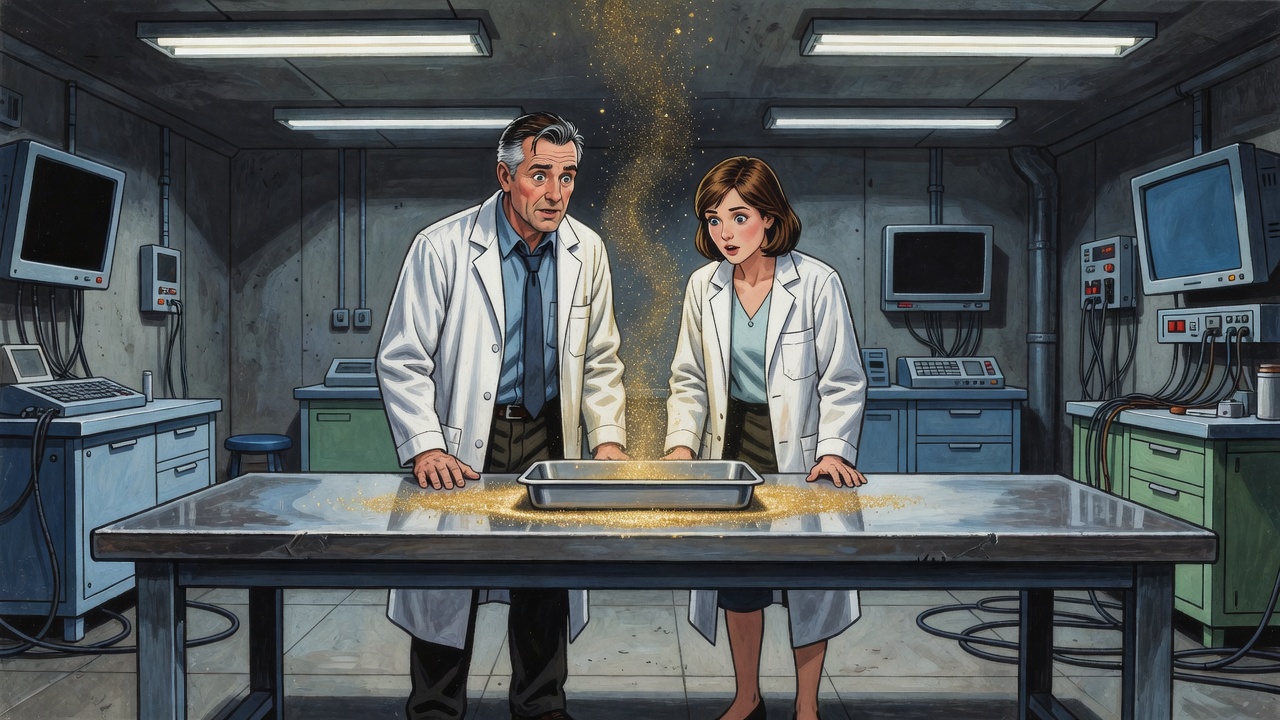
Earth keeps intruding. The AlterWorld corporation’s analysts tell the Board that patches no longer take: the world is rejecting its makers. A board member orders the head of development to prepare a refuge for the bosses inside the game. At an NSA base in Arizona, eight thousand staff casting a teleport spell at a gold coin in the game have made illusory coins, and now gold dust, appear in a lab on Earth. Dan has a carbine ready for Taali, who will spend a week at a shooting club; fearing Tavor, Max rents his mother a guarded flat and a bodyguard.
Into the Dead Lands
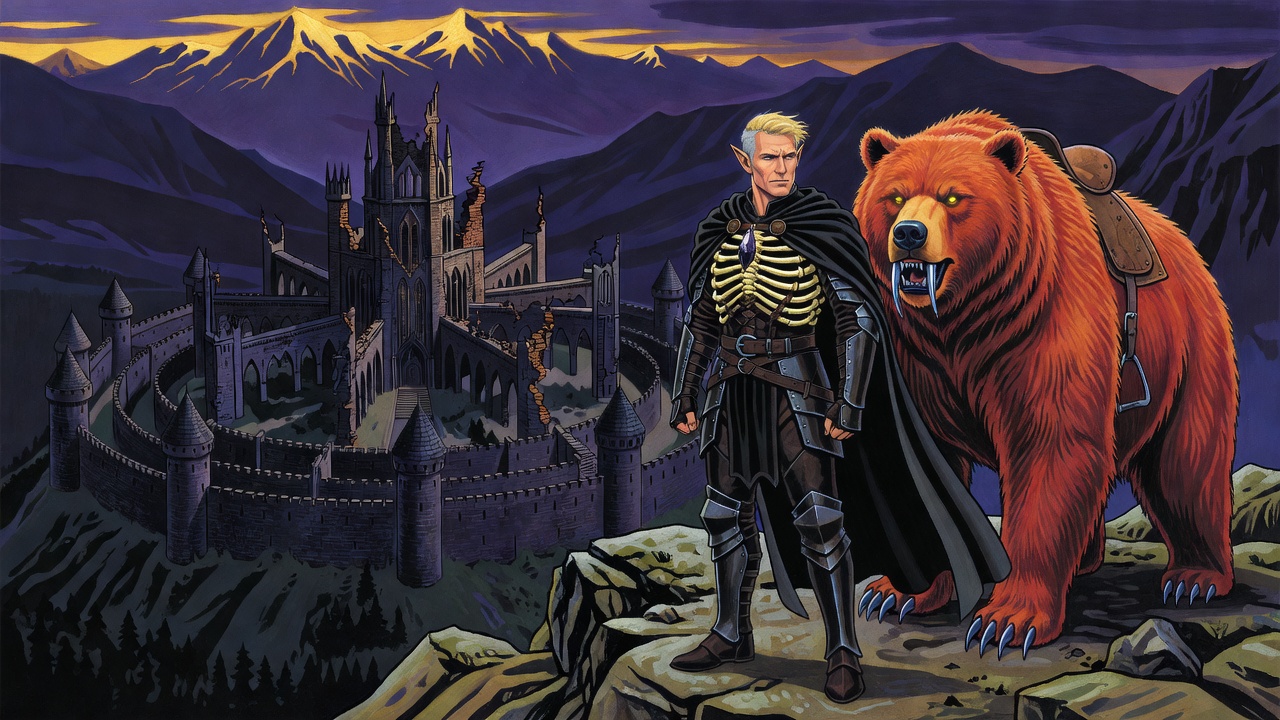
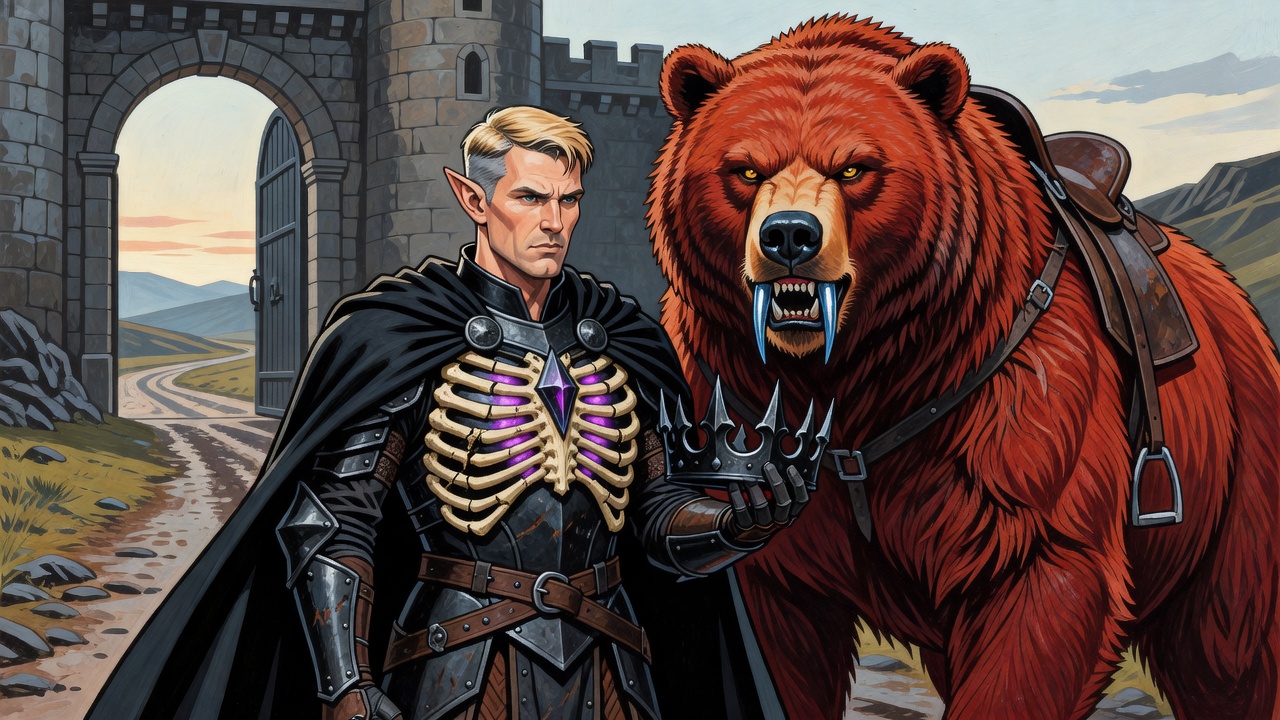
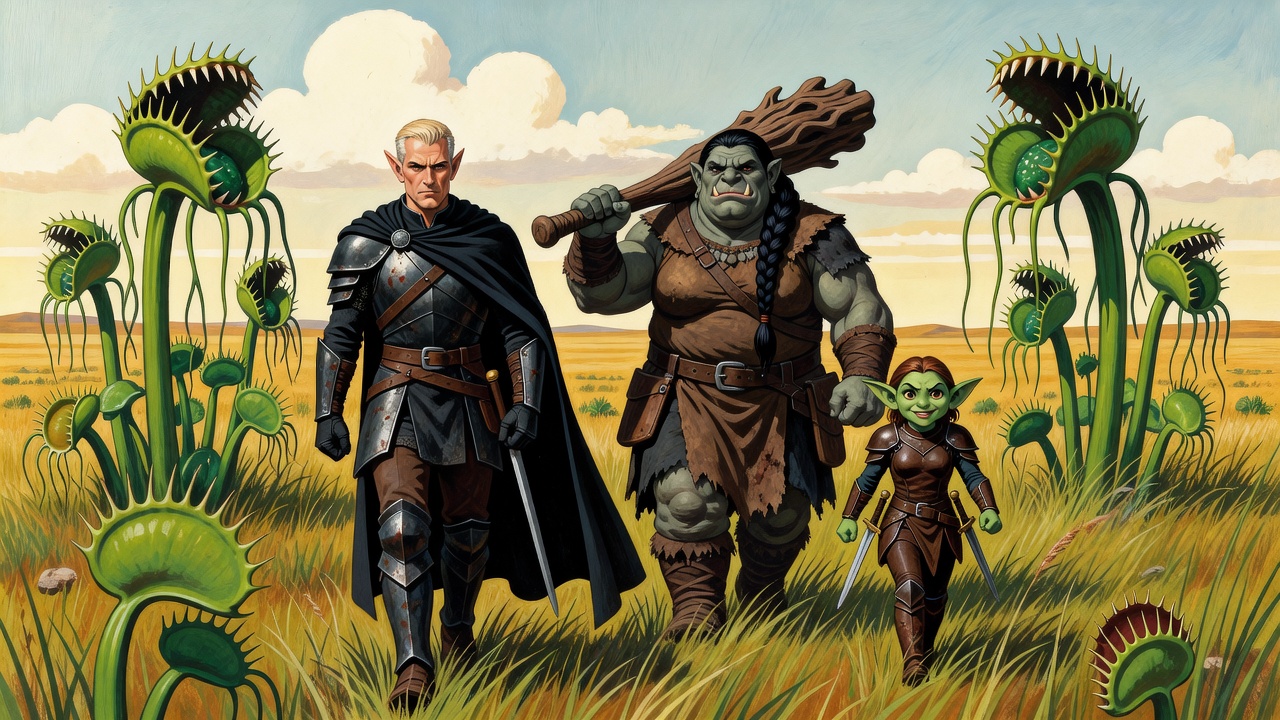
From the Veterans’ vault, where he now has a lieutenant’s access, he buys mithril fangs for Humungus, his bear mount, and a breastplate of bone with yellowed ribs; into the breastplate he sets a long-hoarded shard of the dark altar, and on his head goes the black Crown of the Lord of the Dead. Lena, it turns out, is an eleventh-level ranger. Max hires an all-female band of goblin and troll mercenaries and levels at speed with them on the road to the Dead Lands. They pass refugees (he turns down the troll’s offer of genocide), a steppe of Giant Flytraps worth a fortune and a vampire ambush. On Earth, Russian analysts report China building a bunker for two hundred thousand capsules.
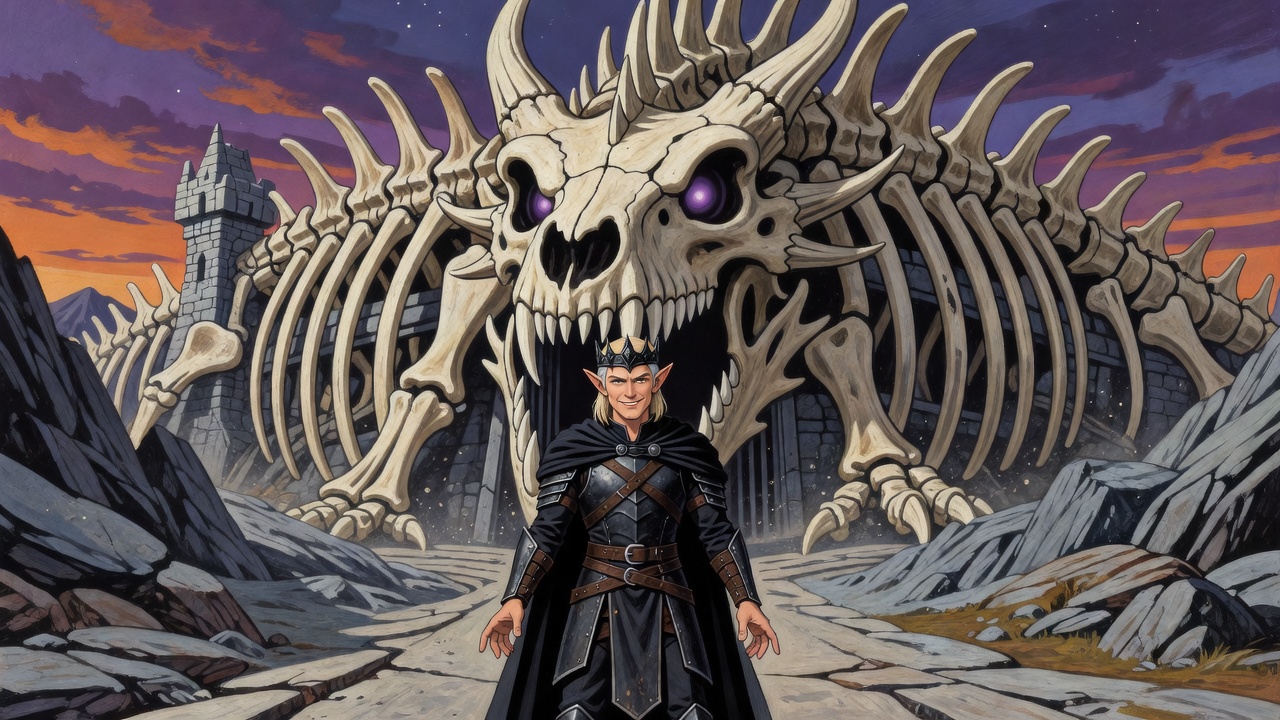
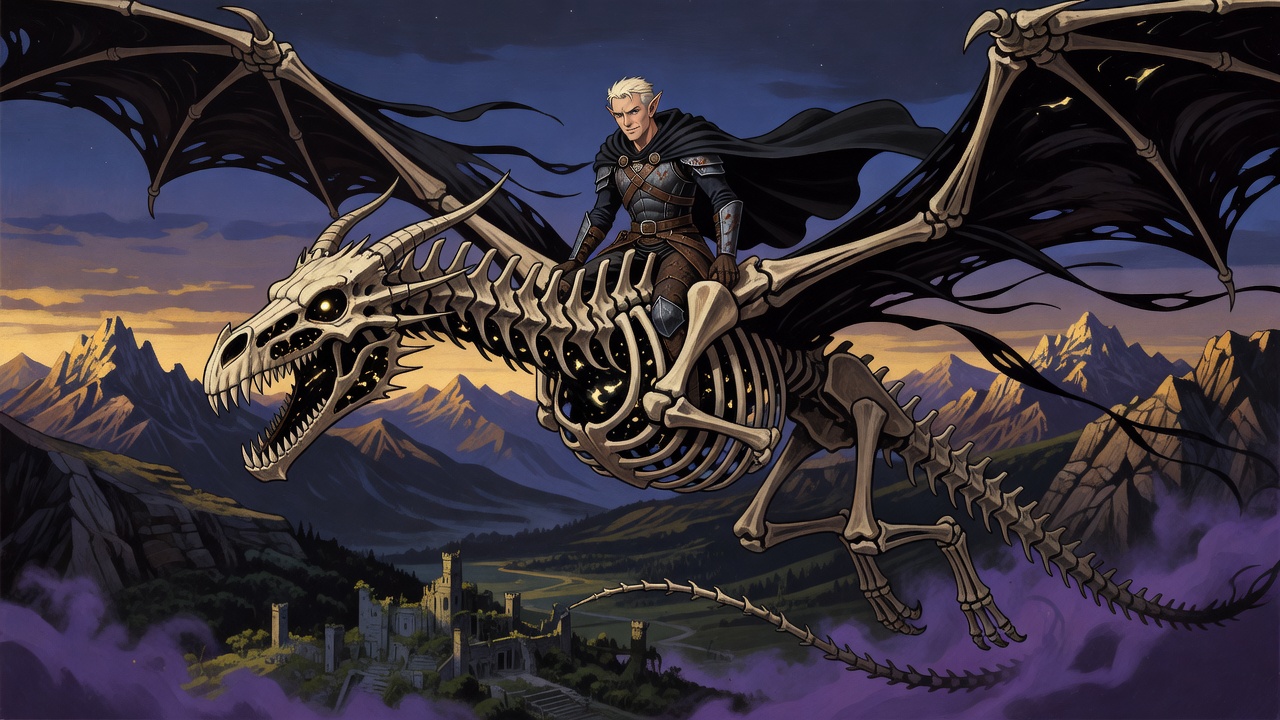
In the Dead Lands a fortress built from the bones of a single giant dragon closes the only pass into the Valley of Fear: vertebrae seven metres high for a wall, ribs for towers, a twenty-metre skull for a gate. Max walks up wearing the Crown like a white flag, the skull’s teeth fold inward, and the ancient dragon within mocks him for it, speaks of titans, and claims a tenth of the mana the coming altar will draw.
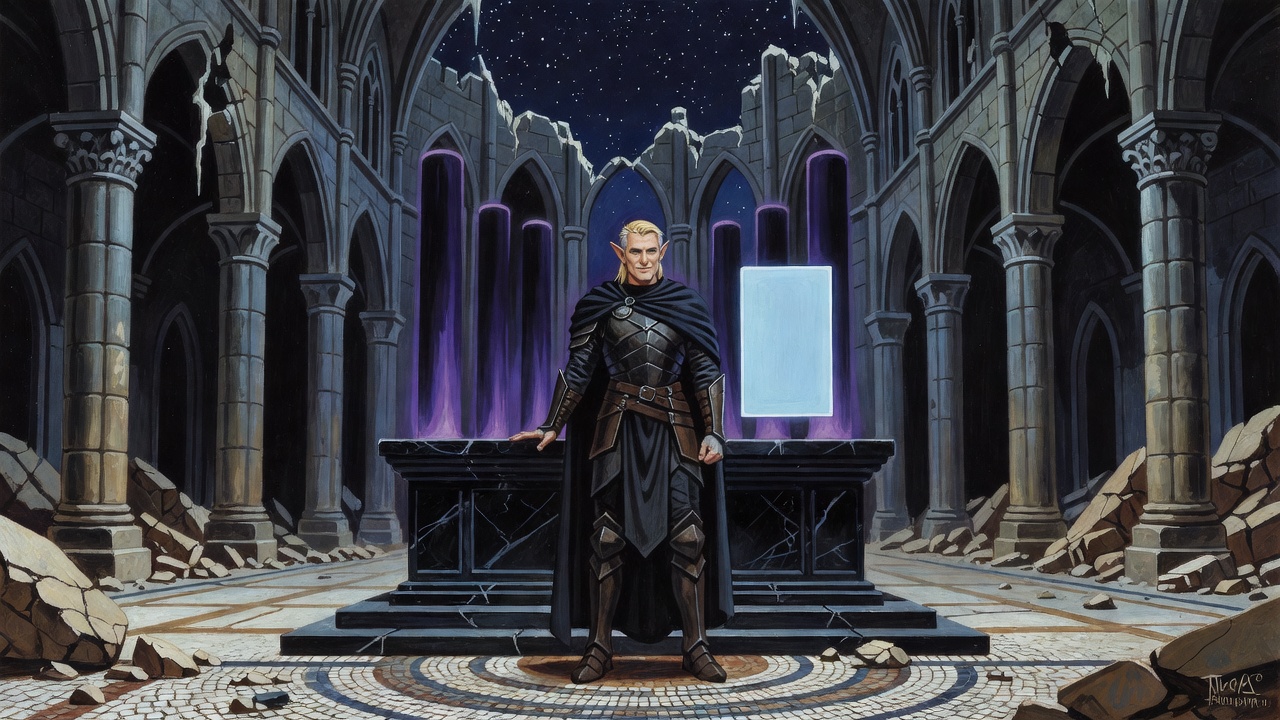
Past the gate lie the leavings of an ancient war: a rusted alien rifle whose grip is made for a seven-fingered hand, shells of mithril, and mithril ore in the ground. Then comes the castle: Super-Nova class, a third of it in ruins, spires melted, a breach for a gate, eight wings radiating out, and a faint organ sound in the air. Max restores the First Temple’s altar and logs the Fallen One back into the world, which gives every worshipper a seven per cent experience bonus. His Fame passes 17,000, level 5, and he is offered the post of First Priest of the Dark God.
First Priest
He hesitates.
“Responsibility, that’s what scares us.”
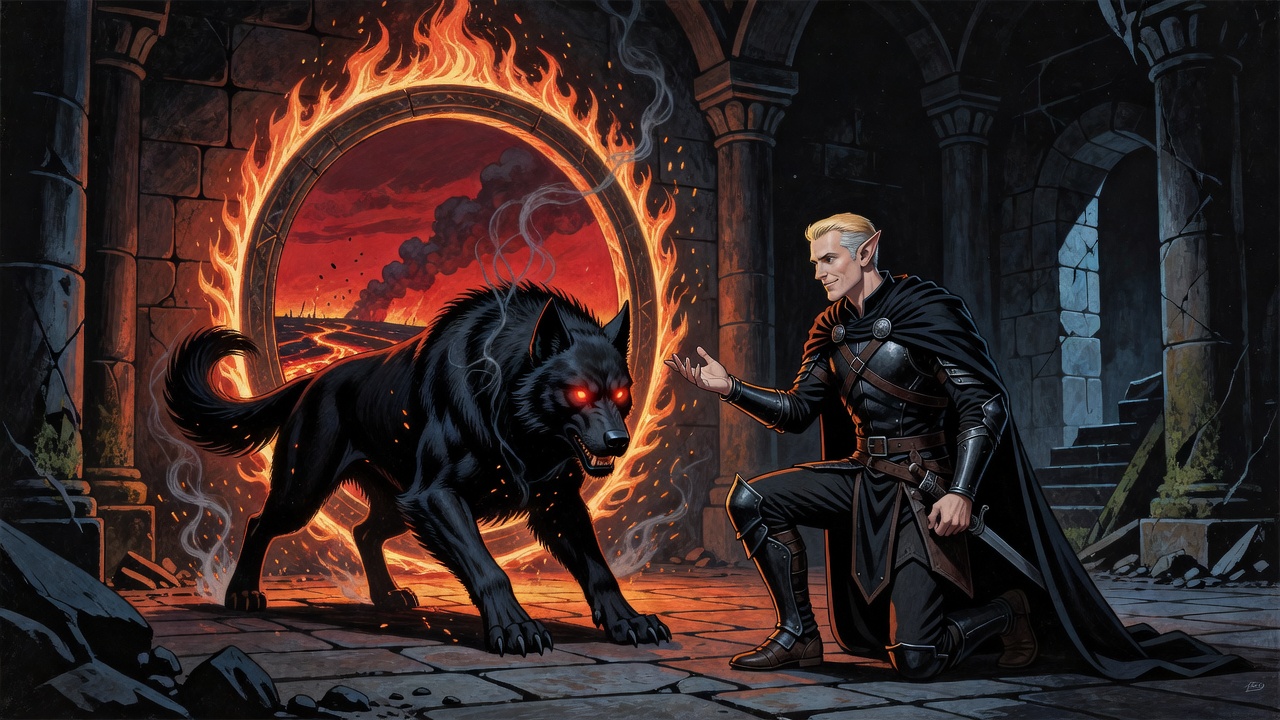
Then he accepts. The post brings the power to ordain priests, excommunicate and brand outcasts of the faith, a voice with any dark god, and a raid blessing bought with 5,000-gold sacrifices. Browsing lists of Slavic, Greek and Norse gods, he summons Macaria, daughter of Hades and Persephone and goddess of blessed death, into the dark pantheon, and the Fallen One soon courts her with champagne. Max tastes the Blood of a God, a permanent spark of divinity. He brings the Book 1 hellhound back to life and gains the Portal to Inferno skill. She reproaches him and tries to take over his mind, but his new immunity holds, and her pack joins the alliance he cobbles together on the spot, the Guardians of the First Temple.
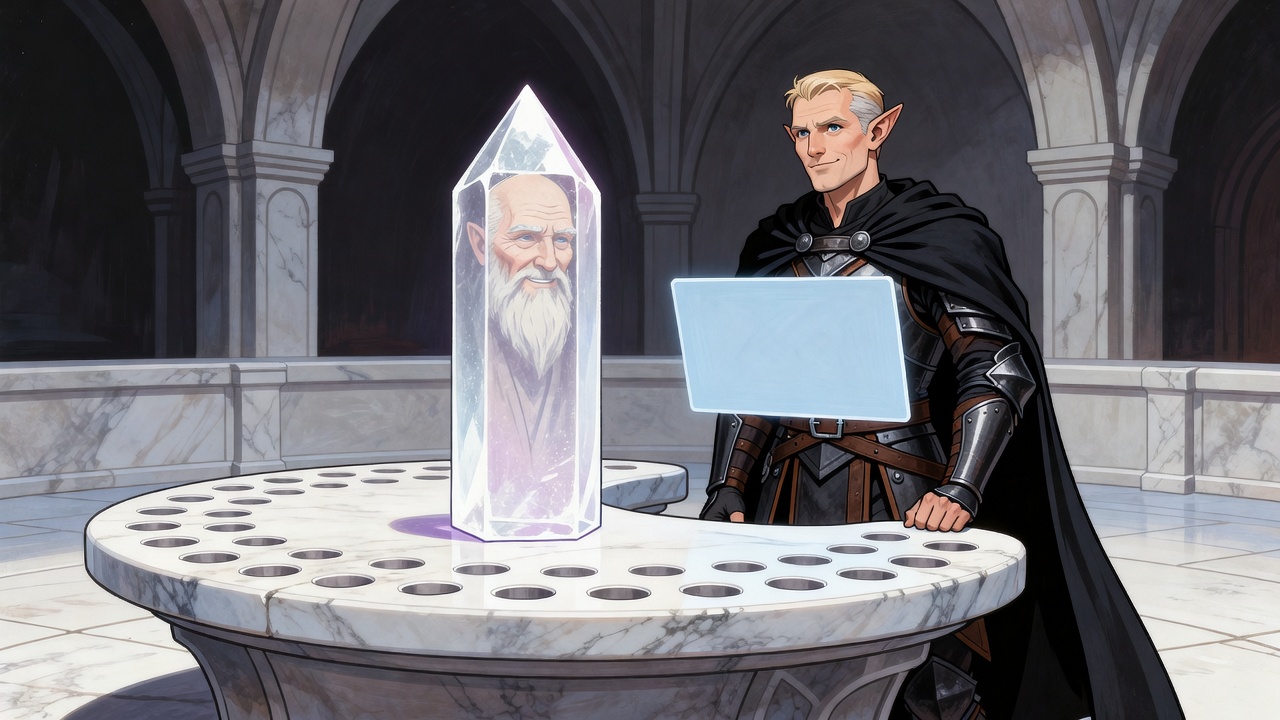
The castle has a mind of its own. In a control hall where a horseshoe of white marble is studded with empty artifact sockets lives Barrymore, the prepared soul of one of its mage-builders, stripped of free will and eager to serve. Max buys the place on credit, twelve monthly payments of two million gold, hires maids and goblin labourers to scavenge the valley, and puts his windfall down to a wise man’s line: “luck is what happens when preparation meets opportunity.”
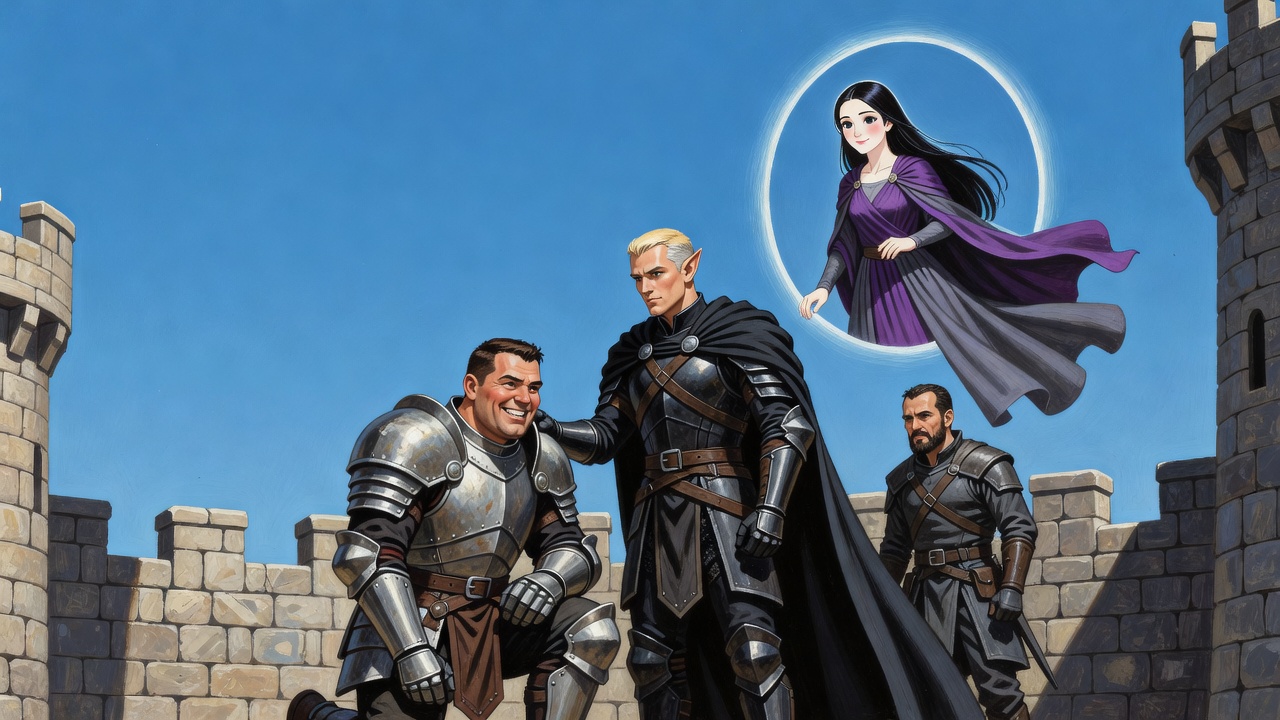
He ordains Eric a priest, and Eric dedicates Dan to Macaria; through a window in the sky the slightly tipsy goddess smiles at Eric, and Max warns him that the Fallen One has his eye on her. A virtual-police tax officer arrives: Max’s sales have passed the million-dollar line above which the law has trades supervised. Max’s scheme to sell dedications to Macaria collapses when the goddess dedicates everyone for free and collapses from fatigue. His body in Moscow has days left, and Taali is practising with a rifle.
Hellhounds, a Dwarf and Two Eggs
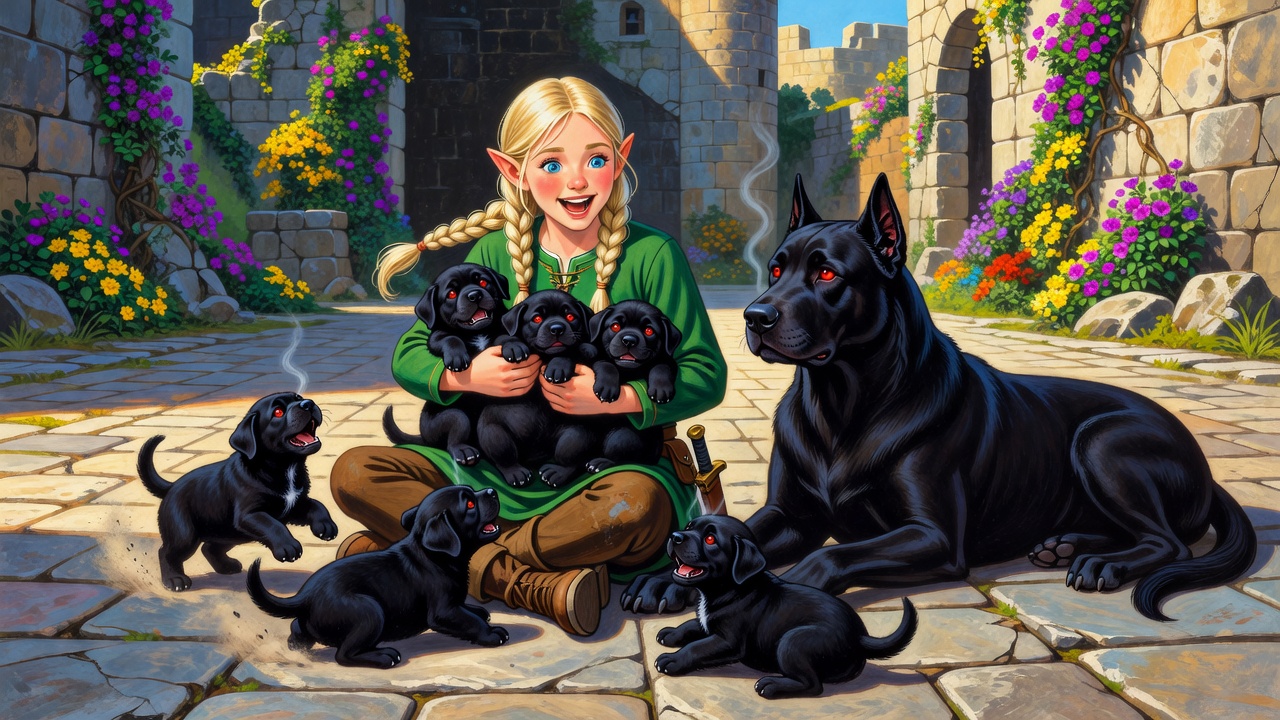
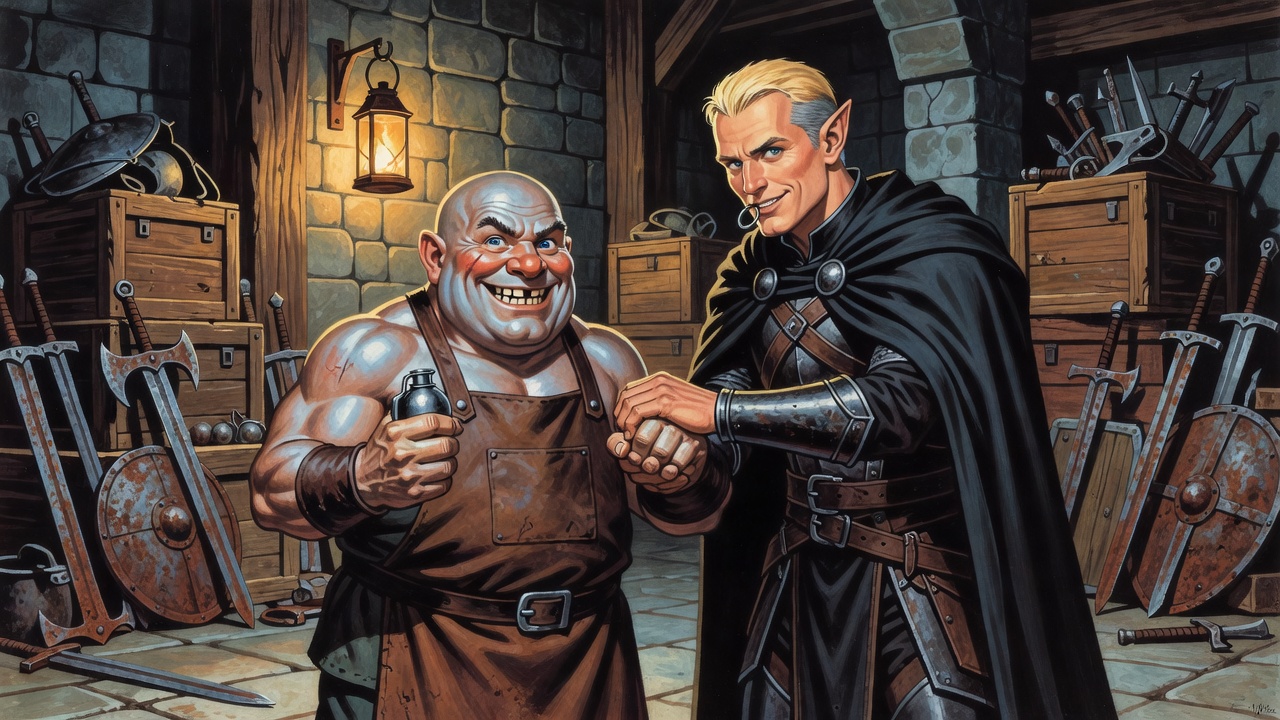
Back at the temple, Lena hugs the hellhound’s pups while the pack howls like a sawmill. Durin Bright-Head, Master of the Mithril Forge, a dwarf so steeped in mithril that he cannot die, arrives with his hoard, including what he calls fire-salamander eggs: hand grenades. When Durin pulls a ring to show one off, Max clamps the dwarf’s fingers on the lever and works the pin back in with his teeth. Durin becomes quartermaster, and Barrymore fills the halls with singing plants. Max names the hellhound Spark, because a name gives an NPC a soul and a chance of rebirth.
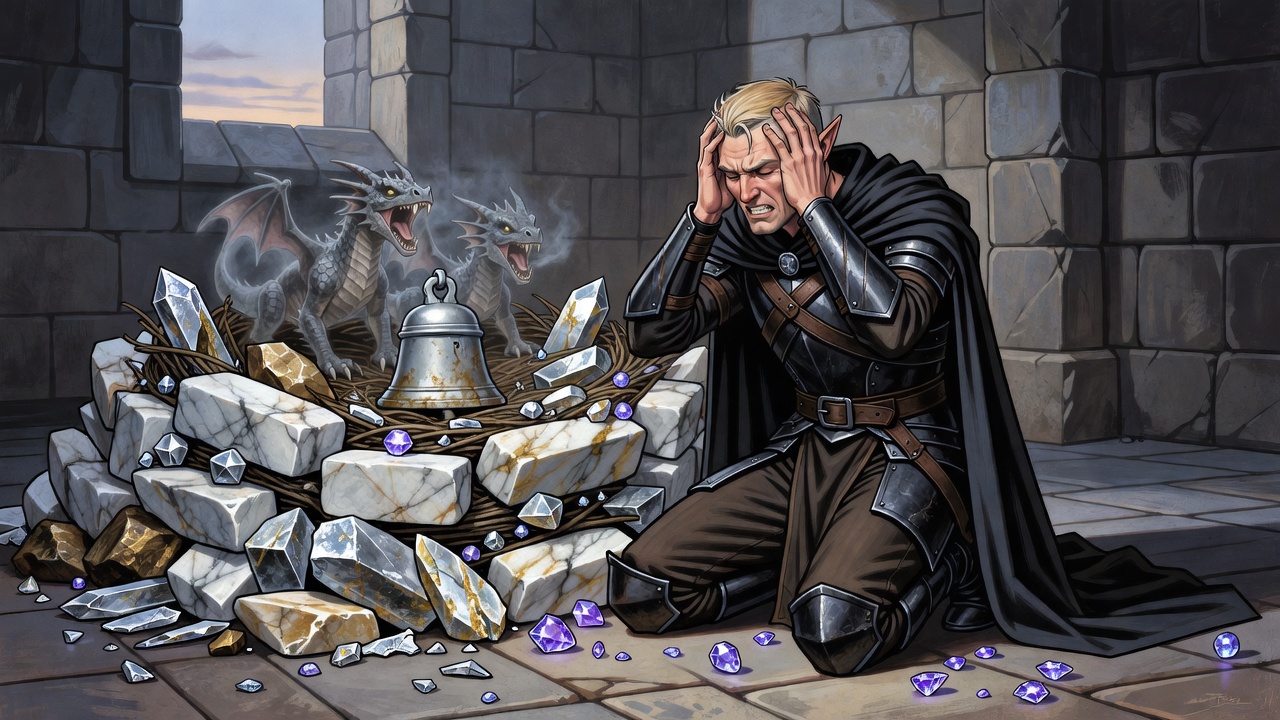
He finds the dragon nest, built from every kind of mineral in AlterWorld, down to an ancient silver bell. At five in the morning the eggs are fully formed, swirling in two hundred and fifty-six shades of grey, and he stands entranced for two hours. A new skill hatches them: a boy and a girl, Ghost Dragons, their scales flickering as they try to vanish. With no mother there, the hatchlings shriek a storm of terror into his mind that drops him to his knees with a bleeding nose. Their tears roll across the floor as epic gems; he picks them up, ashamed. Lena comes to soothe them and passes on their plea: the Bone Dragon who entrusted the eggs to Max is to be executed today on the main square of the City of Light.
The Bone Dragon and Doc’s Children
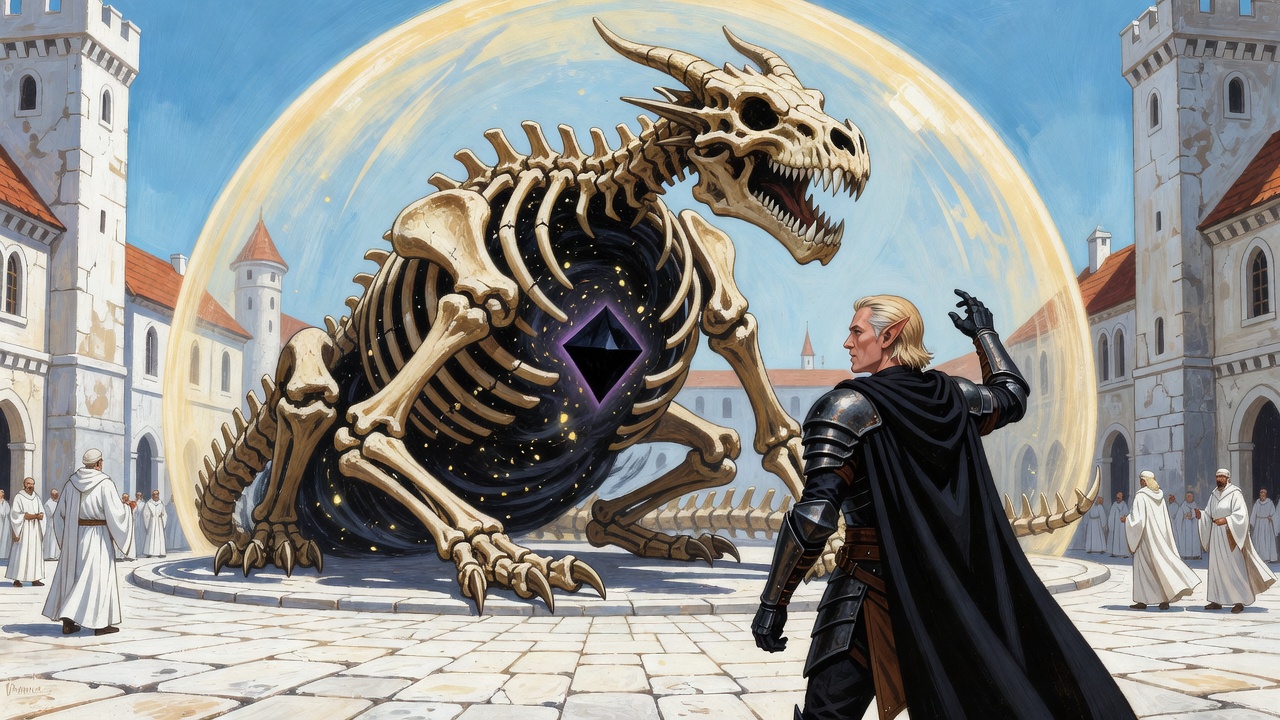
The mercenary band turns the job down, and the guild’s orc chief will take spell-scrolls, not money, for so political a raid. On the square the captive, blind Bone Dragon hears Laith’s voice telling it that its chicks have hatched, a boy and a girl. It tears out one of its own ribs and pulls out its heart, a huge black diamond, so that the priests cannot take it, and warns him to keep away when the dome drops, because it cannot see.
Max’s raid rains meteors and poison on the crowd, and servants of the Bright-Faced One, the light pantheon’s sun god, cut at the raid’s dome with coloured beams. Their Patriarch curses Max, cutting his mana regeneration by ninety per cent in sunlight, and flees; Max simply draws on the altar’s mana. Freed, the dragon whirls through hundreds of the light’s fighters like a combine harvester, Macaria pays Faith Points for every one killed, and the enemy dead pass a thousand. Max flies home on the dragon.
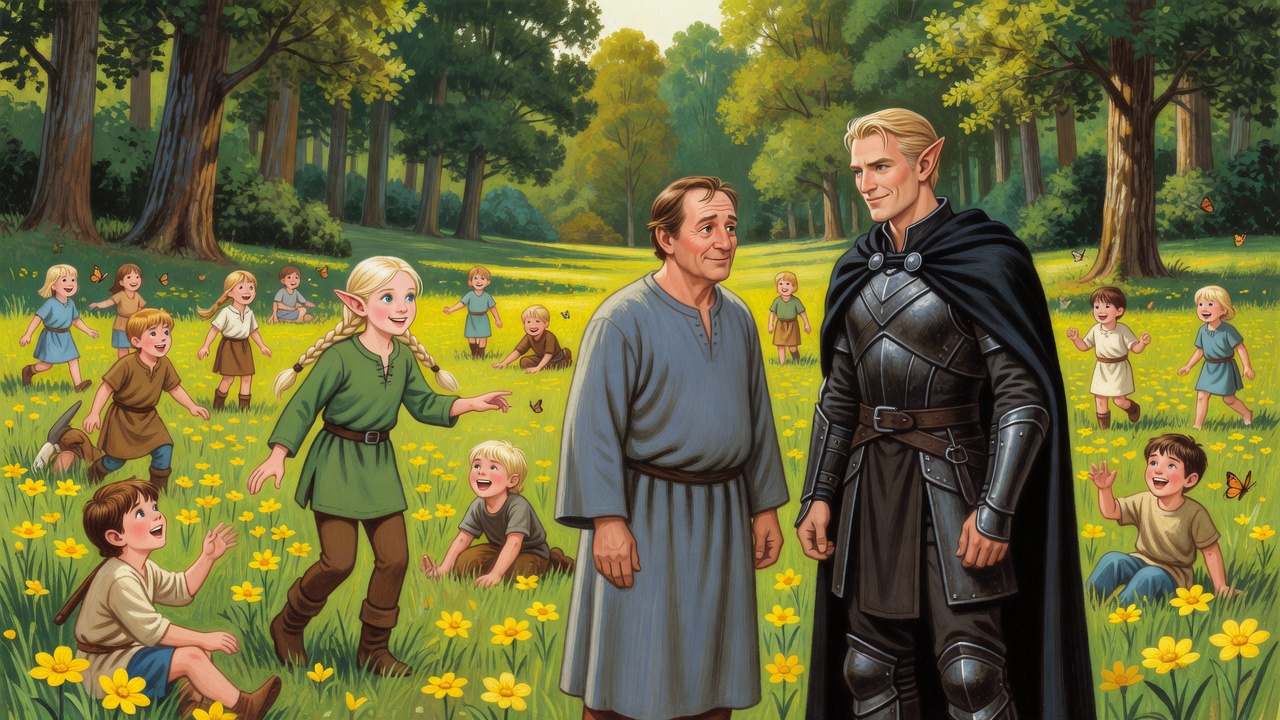
Meanwhile, off the page, Taali settles her account in the real world. Lena’s father, Doc, chief physician of a children’s hospice, has been bringing dying children into AlterWorld in secret because he is tired of burying them, and a glade fills with laughing kids. They join Max’s clan, with a stat-banking rule that lets them grow later. At some point in the book, reviewers note, Max’s own body in Moscow dies.
The Spider Dagger
Max plans to summon Aule, the smith who made the dwarves, into the world for them, and Durin snaps his steel pencil. Then a system message arrives: Lolth, Dark Mother of the drow, Lady of Spiders, has joined the Fallen One’s pantheon, raised by Ruata. Max rushes to the House of Night, where the quest marries him to Ruata and makes him Prince. To meet its condition she has died again and again, dropping about a hundred levels to fall below him.
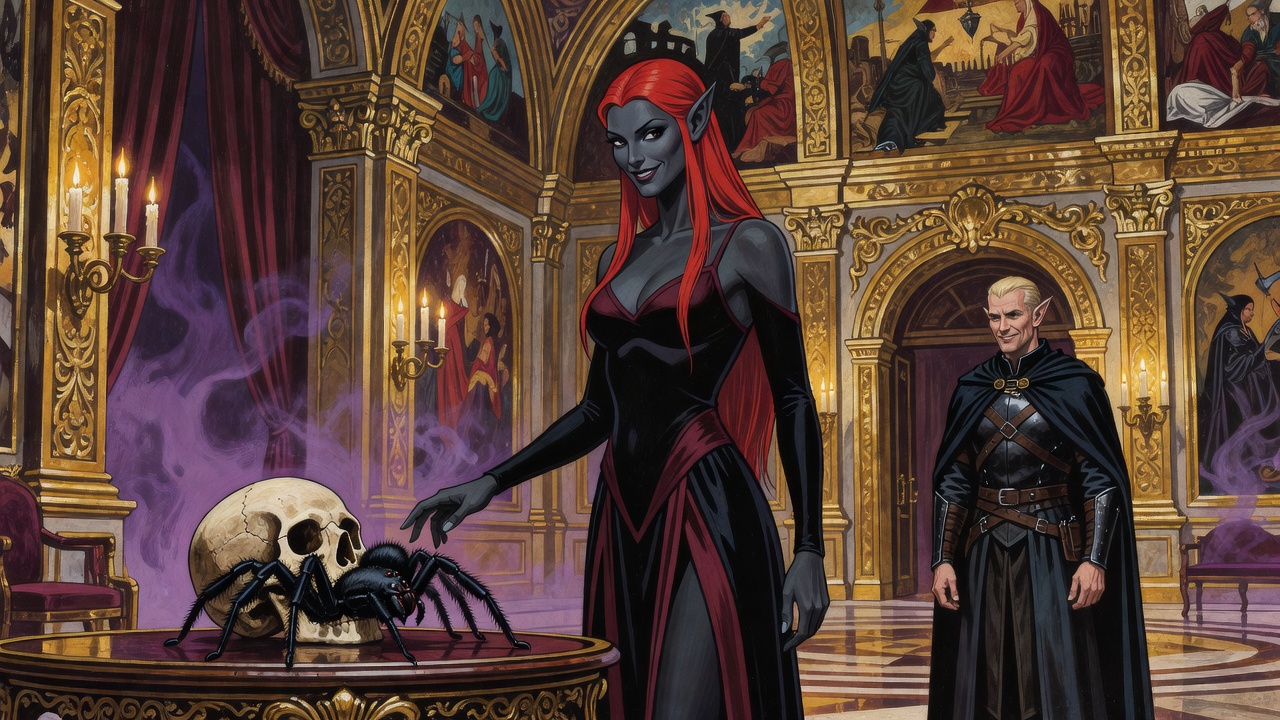
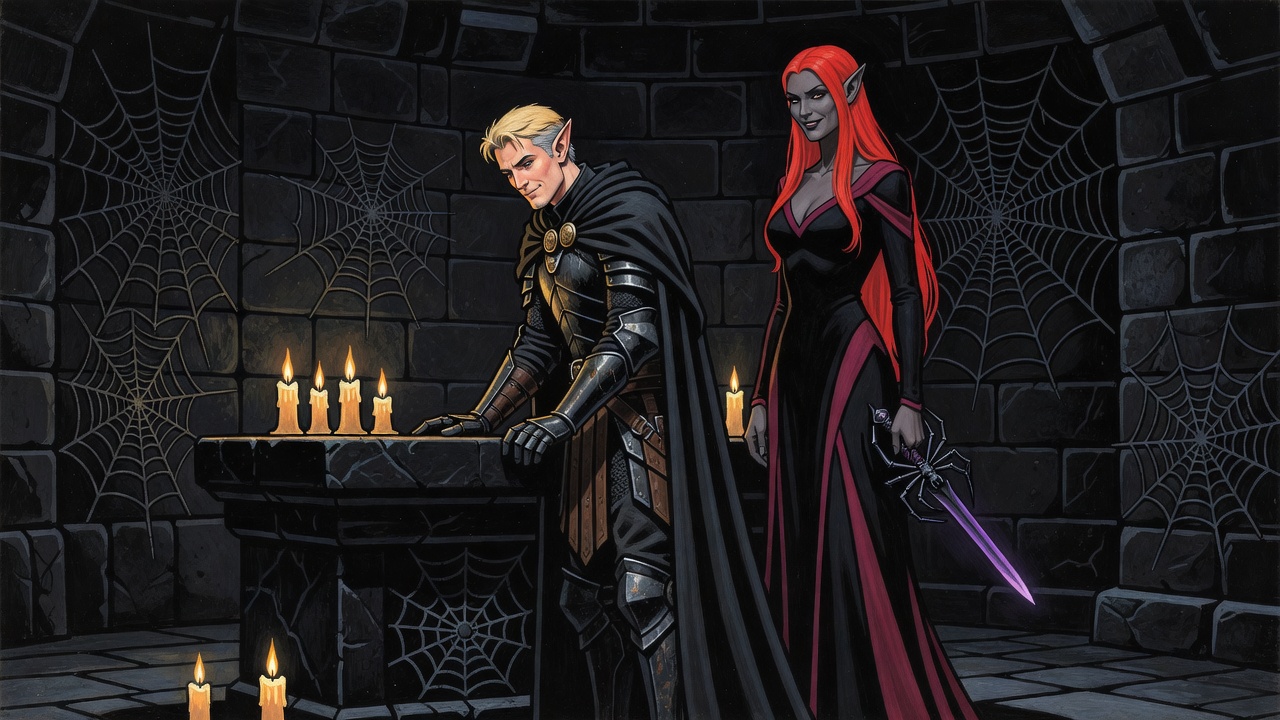
In her gilded boudoir a spider the size of a dog crawls out of a skull. She works on him with pheromones, sound and potions, begs him not to abandon her to the drow Elders and an Elder’s son, and coaxes him to bind his respawn point there. Then she drives home the Spider Dagger of Lolth’s High Priestess. Whoever dies by it on the altar dies a final death, and his soul goes to the Dark Halls. He never interested her, she tells him. In the dark he hears space tear and heavy steps, and Ruata, meek and happy, greets her true lord, by every sign the Prince she lost, back from the dead. The book ends there, on its hero’s final death.
The game in this book
- Laith starts the book as a level-52 High Elf death knight sworn to the Fallen One, and a perma player: his mind lives in the game while his body lies dying in Moscow. Astral Mana Dispersal, a Higher-Circle spell with a forty-metre reach, breaks Forest Castle’s dome, and after it grinds the Crystal to dust it upgrades to Astral Mana Absorption.
- The Four Death Knight Punishments, Max’s scale for players who cannot permanently die: arena death followed by a week’s hold that strips their gear; de-levelling by binding them in a boss’s room; exile from the Russian cluster; a kill-on-sight list.
- Quests with conditions. Prince of the House of Night requires leading a clan, owning a castle, being a priest of the Fallen One, Fame level 5 (it comes at 17,000 Fame), a higher level than Ruata’s 171 and her favour. Ruata meets the level condition from the other side, by dying until she has lost about a hundred levels.
- First Priest. Restoring the First Temple’s altar logs the Fallen One back into the world and gives his worshippers a seven per cent experience bonus. The First Priest can ordain priests (up to ten for every temple), excommunicate, brand outcasts of the faith, speak with any dark god, bless raids for 5,000-gold sacrifices and summon new gods: Max brings in Macaria. Ruata, a priestess, later raises Lolth into the same pantheon.
- A castle on credit. The Super-Nova castle costs twelve monthly payments of two million gold and comes with a mind of its own, Barrymore. The dragon at the pass claims a tenth of the altar’s mana. Max also founds an alliance, the Guardians of the First Temple; its first junior partner is the hellhounds’ NPC clan.
- Gifts and skills. A once-a-day full heal of any creature but oneself, for Max, Taali and Cryl alike; a portal to Inferno; a skill that hatches dragon eggs; a Ghost Dragon’s tears that fall as epic gems worth +75 to a stat; and the rule that naming an NPC gives it a soul and a chance of rebirth. The hospice children get a stat-banking rule that lets them grow later.
- The world slips its leash. Patches no longer take; the NSA moves gold dust out of the game; the virtual police must supervise any deal over a million dollars.
- Final death. Perma players respawn, which is why captivity was the Cats’ weapon. The Spider Dagger is the exception: whoever dies by it on the altar dies a final death, and the soul goes to the Dark Halls.
Continuity notes
- Max / Laith: from a freshly escaped captive with a clan of two to First Priest of the Fallen One, lord (on credit) of the Super-Nova castle and First Temple in the Valley of Fear, and Prince of the House of Night by a quest marriage to Ruata. Stabbed with the Spider Dagger at the end; Book 3 opens with his soul in the Halls of Pain.
- Max’s body in Moscow dies during the book, according to reviewers; the text’s scene for it was not found.
- Taali is offline for most of the book, training with a rifle for her revenge, which she carries out in the real world off the page.
- Cryl joins the clan (with Lena, taking it from two to four) and becomes the Fallen One’s sworn follower; he stays devoted to her.
- Lena, thirteen, goes from catatonic to healed, a ranger in Max’s clan with the Fallen One’s bracelet and a gift with the hellhounds and the Ghost Dragons. Her mother plans to go perma as a High Elf; her father Doc brings the hospice children in.
- Ruata lends troops for the storm, drops about a hundred levels on purpose, raises Lolth into the Fallen One’s pantheon, marries Laith by quest and kills him with the Spider Dagger, then welcomes back her true lord, by every sign her lost Prince.
- The Fallen One is back in the world through the restored altar, with Macaria (summoned by Max) and Lolth (raised by Ruata) in his pantheon.
- The Cats are dissolved and Forest Castle is the Veterans’ fourth castle. Tavor escapes in the mercenaries’ diversion, after threatening Max and all his people in real life.
- New at the First Temple: Spark and her hellhound pack (allies, not clan members: their NPC clan is the junior partner in Max’s new alliance, the Guardians of the First Temple), Humungus the Red Bear mount, now with mithril fangs, Durin the quartermaster, Barrymore, two Ghost Dragon hatchlings, the hospice children. The Bone Dragon is free, blind and without its heart.
Notes
- Names. The English edition renames much of the cast: Max is Gleb in the Russian, Dan is Stas, General Frag is General Cherep (“Skull”), and the white pest Cheburashka becomes Pooh the Bear. Several English forms here come through the German edition, which was translated from the English. Others are our transliterations or glosses of the Russian and may differ in the English text: Barrymore, Durin Bright-Head, Spark, Macaria, the Olders, the Bright-Faced One, the Guardians of the First Temple, and the Valley of Fear.
- Earth in the margins. The documents between chapters (the AlterWorld corporation’s Analytics reports and board letters, an intercepted surveillance log, the Veterans’ loot memo, the NSA’s Project Tempus, a note on China’s capsule programmes) build the series’ second conflict, Earth against AlterWorld.
- Readers’ verdicts. Reviewers note the shift from adventure to clan politics, management and money (loot shares, a mortgage, and the inner greedy pig, as English reviewers call the voice of his stinginess); many call Max a Mary Sue showered with rewards; English and Russian reviewers alike find the narrator’s eye on women sexist; the hospice-children thread moves some readers and troubles others; and almost everyone mentions the cliffhanger.